
Rutherford B. Hayes
Won the presidency through a backroom deal that ended Reconstruction — and spent his one term trying to restore public trust that deal had badly damaged.
An Election Decided by Compromise, Not a Clear Vote
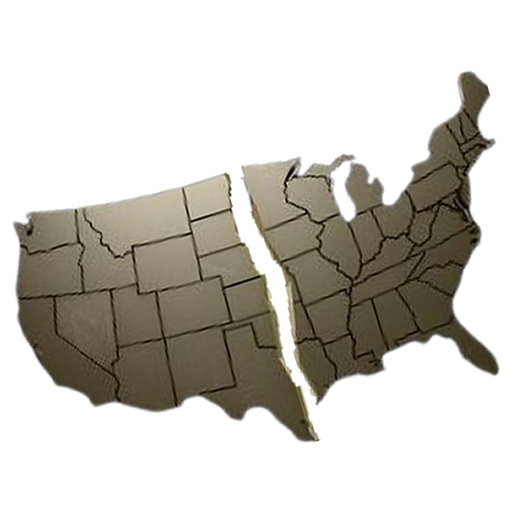
The 1876 election between Hayes and Democrat Samuel Tilden was so disputed — contested electoral votes in several states — that it took a specially created Electoral Commission and a behind-closed-doors political bargain, known as the Compromise of 1877, to resolve it. In exchange for Southern Democrats accepting Hayes's victory, Republicans agreed to withdraw remaining federal troops from the South, effectively ending Reconstruction and the federal government's active enforcement of Black civil rights in the former Confederacy for generations.
Rebuilding Trust After Grant-Era Scandals
Whatever the controversy of how he took office, Hayes spent his term focused heavily on civil service reform, aiming to restore integrity to a federal government whose reputation had been badly bruised by corruption scandals under Grant. He'd been a genuinely strong supporter of equal rights well before becoming president, a stance that sat uneasily alongside the Reconstruction-ending deal that got him there.
Kept His Own Pledge Not to Seek Reelection
Hayes had promised during his campaign to serve only a single term, and he kept that promise, declining to run again in 1880 — a deliberate, self-imposed limit on his own power at a moment when the legitimacy of his election was still being actively questioned.
All Presidents
 1. George Washington
 2. John Adams
 3. Thomas Jefferson
 4. James Madison
 5. James Monroe
 6. John Quincy Adams
 7. Andrew Jackson
 8. Martin Van Buren
 9. William Henry Harrison
 10. John Tyler
 11. James Knox Polk
 12. Zachary Taylor
 13. Millard Fillmore
 14. Franklin Pierce
 15. James Buchanan
 16. Abraham Lincoln
 17. Andrew Johnson
 18. Ulysses S. Grant
19. Rutherford B. Hayes
18. Ulysses S. Grant
19. Rutherford B. Hayes
 20. James Abram Garfield
 21. Chester A. Arthur
 22. Grover Cleveland (First Term)
 23. Benjamin Harrison
24. Grover Cleveland (Second Term)
23. Benjamin Harrison
24. Grover Cleveland (Second Term)
 25. William McKinley
 26. Theodore Roosevelt
 27. William Howard Taft
 28. Woodrow Wilson
 29. Warren G. Harding
 30. Calvin Coolidge
 31. Herbert Clark Hoover
 32. Franklin D. Roosevelt
 33. Harry S Truman
 34. Dwight D. Eisenhower
 35. John Fitzgerald Kennedy
 36. Lyndon B. Johnson
 37. Richard M. Nixon
 38. Gerald R. Ford
 39. James Earl Carter
 40. Ronald Reagan
 41. George H. W. Bush
 42. William J. Clinton
 43. George W. Bush
 44. Barack Obama
 45. Donald Trump (First Term)
 46. Joe Biden
 47. Donald Trump (Second Term)