Blog

  • The Elevator That Stopped Between Floors

    The Elevator That Stopped Between Floors

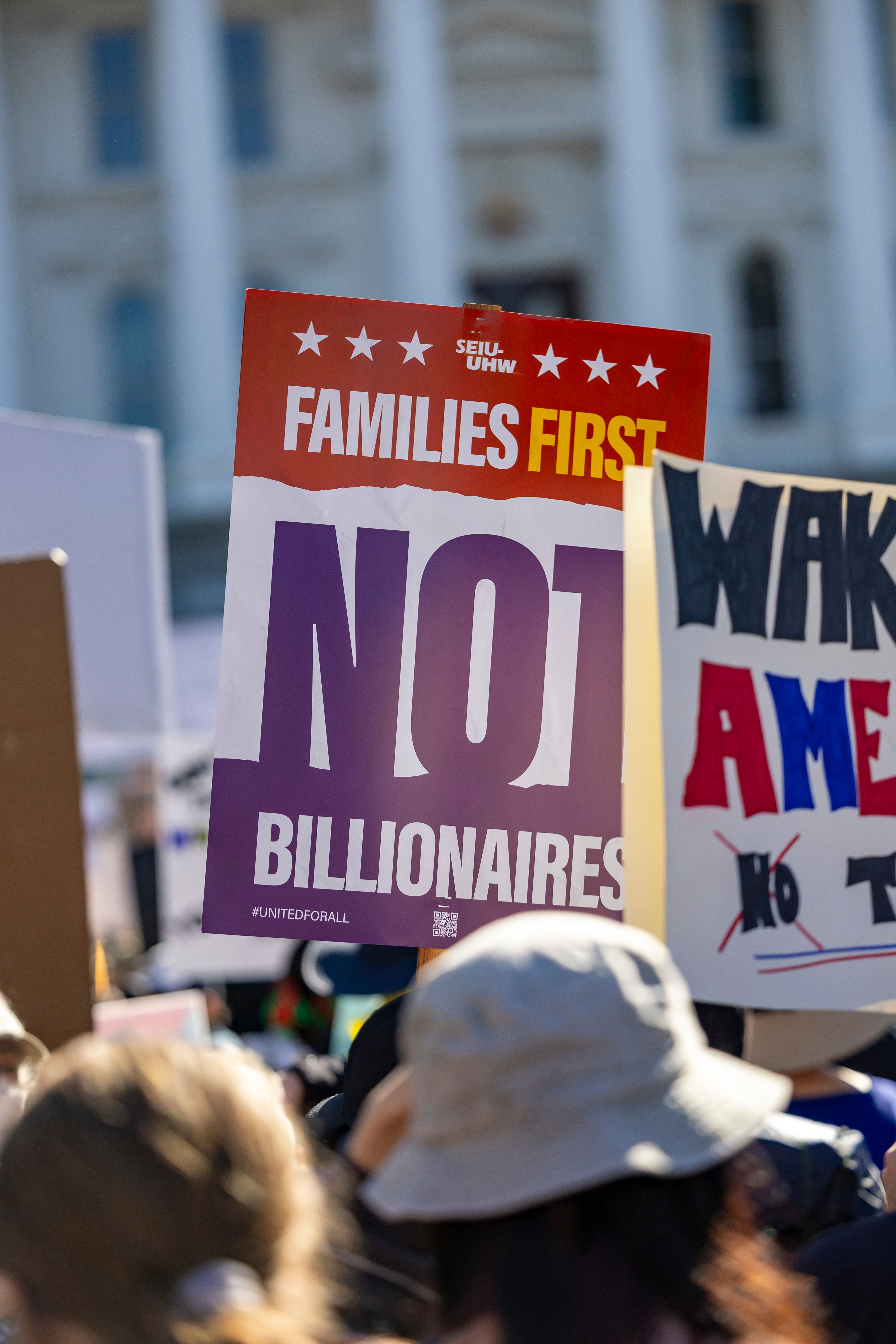
    The office elevator stalls for less than a minute, but the silence turns awkward fast. A senior executive checks a watch. A contractor grips a toolbox. A young employee stares at the floor indicator stuck between three and four. When the doors finally open, everyone steps into a different hallway. That is how inequality often feels: not like separate planets, but like one building where the elevator works better for some than for others.

    America has never offered equal routes upward. Race, gender, inheritance, geography, exclusion, and power have always shaped who could climb. Still, a broad postwar story once carried force: steady work, rising productivity, affordable homes, expanding education, and employer benefits could move many families forward. The bargain was incomplete, but it was legible.

    That bargain changed. Wages for many workers grew slowly while top incomes pulled away. Housing became a wealth engine for those who owned early and a barrier for those arriving late. College became more necessary and more expensive. Health costs turned illness into financial risk. Technology and globalization rewarded some skills and locations while hollowing out others. Capital gains, stock ownership, executive compensation, and inheritance widened the distance between earning a living and owning the machinery that produces wealth.

    Inequality becomes politically explosive not simply because some people have more. Societies can tolerate difference when people believe the rules are fair, the floor is stable, and effort can change a life. Resentment grows when people see risk pushed downward and reward pulled upward. It grows when failure is moralized for the poor and forgiven for the powerful. It grows when the ladder remains visible but the rungs move.

    The language of merit often hides the machinery. Talent matters. Work matters. Discipline matters. But so do parents, neighborhoods, school quality, timing, networks, health, debt, zoning, tax policy, family wealth, and luck. A child born near opportunity does not choose that advantage. A worker displaced by industry change does not choose the timing. A family bankrupted by illness did not fail a character test.

    At the same time, inequality debates can become lazy in the other direction. Not every difference is injustice. Not every successful person cheated. Not every policy that reduces inequality improves life. A serious conversation must distinguish between rewards that encourage creation, advantages that compound without merit, and extraction that lets power write its own rules.

    The middle of the distribution matters most for civic trust. When middle and working-class households can buy homes, raise children, survive illness, retire with dignity, and believe their children have a fair shot, democracy breathes easier. When they cannot, politics becomes a search for someone to blame. People may turn against elites, immigrants, government, corporations, welfare recipients, universities, or one another. Sometimes they pick real culprits. Sometimes they pick convenient ones.

    Solutions have to meet the machinery. Better wages help. So do housing abundance, child care, health cost control, worker ownership, fairer tax treatment of labor and capital, antitrust enforcement, education pathways that do not require crushing debt, and benefits that support work rather than trap people in cliffs. No single lever fixes a system built from many levers.

    The elevator image matters because inequality is not only about distance. It is about motion. People can endure being on different floors if they trust the elevator works. They lose faith when the buttons light up but nothing moves, when the repair crew serves the penthouse first, when the stairs are locked, and when someone explains from above that the problem is attitude.

    Ask a sharper question than whether someone has too much. Ask whether the rules let people build enough: enough security, enough voice, enough ownership, enough time, enough path upward for their children. A country does not need sameness. It needs a working elevator, honest signs, and no private key that reserves mobility for those already near the top.

    The public question behind Income Inequality is not merely whether people feel strongly about the issue. They do. The better question is where the pressure enters ordinary life and which institution has the power to relieve or worsen it. In The Elevator That Stopped Between Floors, that pressure appears through a scene rather than a slogan because civic problems become clearest when someone has to make a decision with imperfect choices.

    A reader can use the same lens locally. Look for the office, employer, market rule, public habit, or private contract that narrows the available options. Then ask who benefits from the present arrangement, who absorbs the risk, and what information remains hidden from the person making the hardest choice. That question turns Income Inequality from an argument about attitude into an inquiry about design.

    The historical lens format matters in The Elevator That Stopped Between Floors because it keeps the focus on cause and consequence. A purely moral argument might produce applause, but it rarely shows where repair begins. A purely technical argument may identify a lever and forget the person standing next to it. The best public writing has to do both: preserve the human stakes and clarify the machinery that shapes them.

    In The Elevator That Stopped Between Floors, that machinery usually contains tradeoffs. Better rules can create costs. Faster help can require better verification. More local control can protect community voice or preserve exclusion. More market freedom can encourage innovation or deepen imbalance. The useful move is not to pretend tradeoffs disappear. It is to name them early enough that citizens can decide which burden belongs where.

    The practical invitation is to carry one sharper question into the next conversation about Income Inequality: what would have to change for the person in this story to have a real option, not just a different form of pressure? The answer may be a policy, a habit, a public record, a workplace rule, a local meeting, or a better-designed doorway. Whatever the tool, the first step is locating the point where life and power meet.

    The practical lesson in Income Inequality is not to reduce public life to one argument. The better habit is to follow the pressure to the place where someone must make a choice, then ask which rule, price, office, employer, institution, or missing option shaped that choice. That discipline turns frustration into a clearer public question and gives citizens something more useful than blame.

  • The Meeting After the Anger

    The Meeting After the Anger

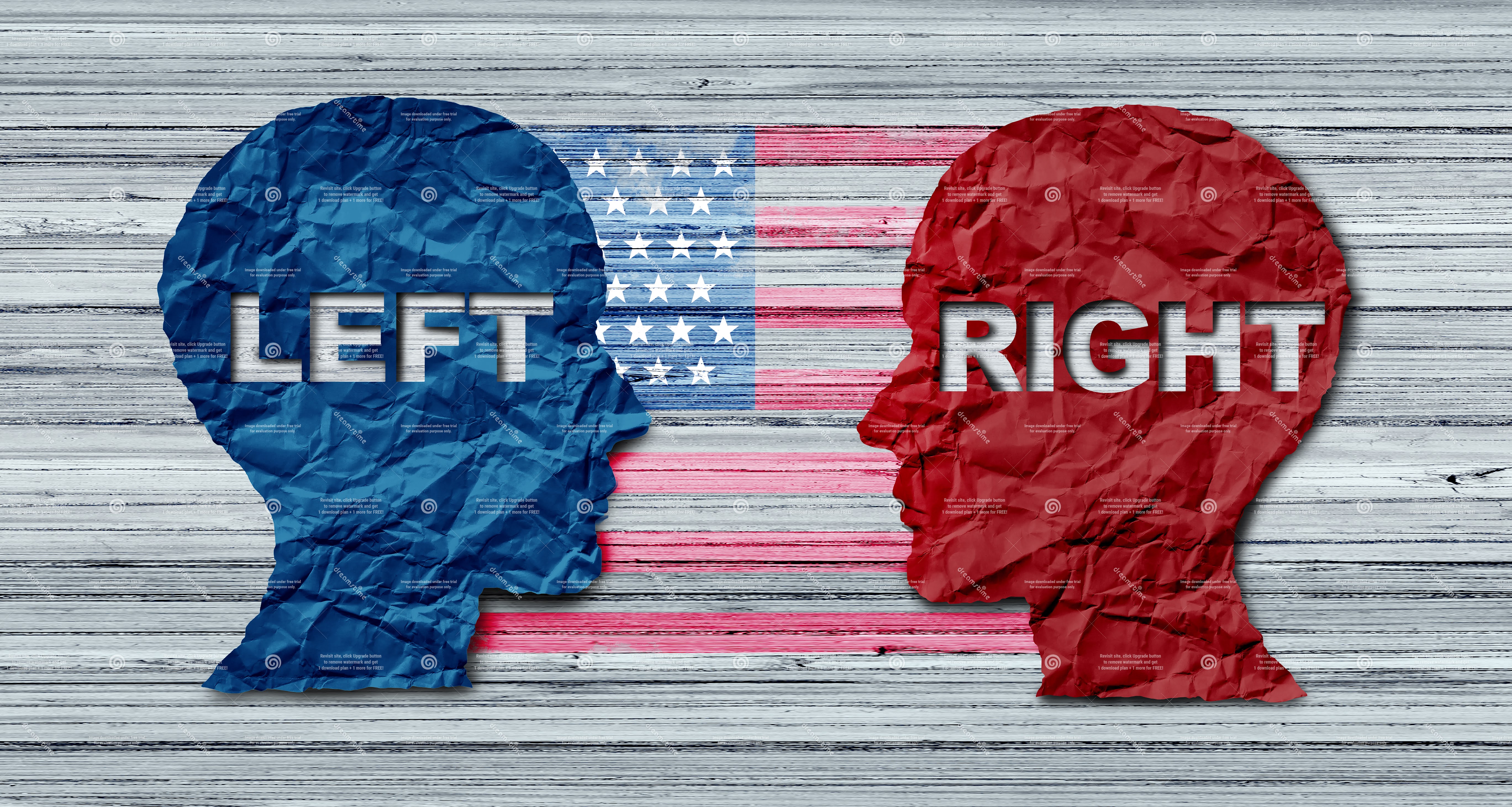
    The meeting after the anger is quieter than the rally. The signs are gone. The chants have become agenda items. Someone has to decide where the money comes from, who gets called first, which rule changes, what deadline matters, and who will sit through the next three meetings when the cameras leave. Anger opened the door. It cannot run the room by itself.

    Democracy and civic renewal often get described in grand language: healing, unity, participation, reform. The real work is plainer. It happens in school board chambers, city council rooms, zoning hearings, union halls, neighborhood associations, benefits offices, courtrooms, campaign offices, and volunteer trainings. It happens when people convert frustration into procedure without losing the moral force that brought them there.

    Public rooms disappoint newcomers because they move slowly and speak in codes. Motions, minutes, quorum, consent agendas, amendments, public comment limits, staff reports, budget lines, procurement rules. A citizen arrives with urgency and discovers that government has a grammar. That grammar can protect fairness. It can also hide power. Renewal requires learning enough of it to know the difference.

    Anger has a legitimate role. It tells a community that something has become intolerable. It brings people who were ignored into view. It can force institutions to respond. But anger without organization burns hot and leaves little behind. Institutions can wait it out. Opponents can dismiss it. Supporters can exhaust themselves. The meeting after the anger tests whether grievance can become durable power.

    Durable power needs roles. Someone researches the rule. Someone builds the list. Someone talks to the affected families. Someone reads the budget. Someone meets with staff. Someone writes the public comment. Someone tracks votes. Someone follows up after the promise. The work is rarely glamorous. It is how public pressure becomes public action.

    Civic renewal also requires a wider definition of participation. Voting matters, but citizens influence government between elections. They comment on regulations, serve on boards, request records, attend hearings, join associations, organize neighbors, contact representatives, run for local office, support candidates, and help people navigate public systems. A democracy that reduces citizenship to election day wastes most of its civic muscle.

    The public room can also teach humility. The rule you hate may have been created to solve a real problem. The official you distrust may lack authority over the issue. The money may be restricted. The opposition may include people with legitimate fears. Learning these constraints does not mean surrender. It means aiming at the right target.

    Institutions should make that learning easier. Agendas should be readable. Public comment should be accessible. Websites should explain decisions in plain language. Meetings should not always occur at times working people cannot attend. Records should be searchable. Staff should treat citizens as participants, not interruptions. Civic renewal is not only a citizen obligation. It is an institutional design challenge.

    The best public rooms change everyone in them. Citizens learn the machinery. Officials encounter lived reality. Advocates discover tradeoffs. Neighbors see one another outside caricature. Not every meeting ends well. Some end in delay, defeat, or procedural fog. But even then, people learn where power sits and what it would take to move it.

    If an issue makes you angry, choose one public room where that anger can become useful. Attend once without speaking. Learn the agenda. Find the decision-maker. Ask what vote, rule, budget line, or office controls the outcome. Then return with others. Democracy renews itself when people stop treating power as a distant spectacle and begin learning the room where a decision can actually change.

    The public question behind Democracy and Civic Renewal is not merely whether people feel strongly about the issue. They do. The better question is where the pressure enters ordinary life and which institution has the power to relieve or worsen it. In The Meeting After the Anger, that pressure appears through a scene rather than a slogan because civic problems become clearest when someone has to make a decision with imperfect choices.

    A reader can use the same lens locally. Look for the office, employer, market rule, public habit, or private contract that narrows the available options. Then ask who benefits from the present arrangement, who absorbs the risk, and what information remains hidden from the person making the hardest choice. That question turns Democracy and Civic Renewal from an argument about attitude into an inquiry about design.

    The public-room essay format matters in The Meeting After the Anger because it keeps the focus on cause and consequence. A purely moral argument might produce applause, but it rarely shows where repair begins. A purely technical argument may identify a lever and forget the person standing next to it. The best public writing has to do both: preserve the human stakes and clarify the machinery that shapes them.

    In The Meeting After the Anger, that machinery usually contains tradeoffs. Better rules can create costs. Faster help can require better verification. More local control can protect community voice or preserve exclusion. More market freedom can encourage innovation or deepen imbalance. The useful move is not to pretend tradeoffs disappear. It is to name them early enough that citizens can decide which burden belongs where.

    The practical invitation is to carry one sharper question into the next conversation about Democracy and Civic Renewal: what would have to change for the person in this story to have a real option, not just a different form of pressure? The answer may be a policy, a habit, a public record, a workplace rule, a local meeting, or a better-designed doorway. Whatever the tool, the first step is locating the point where life and power meet.

    The practical lesson in Democracy and Civic Renewal is not to reduce public life to one argument. The better habit is to follow the pressure to the place where someone must make a choice, then ask which rule, price, office, employer, institution, or missing option shaped that choice. That discipline turns frustration into a clearer public question and gives citizens something more useful than blame.

  • The Last Address

    The Last Address

    The last address stays on every form long after it stops being true. It appears on clinic paperwork, job applications, benefit letters, school records, court notices, and the ID that may expire before a replacement can be mailed. The person without a home still has a history, obligations, appointments, and a name. What disappears first is not identity. It is a reliable place for the world to find them.

    Homelessness is often discussed at the point where it becomes visible: tents, cars, shelters, underpasses, library chairs, emergency rooms, encampment clearings, panhandling, police calls. Visibility matters, especially for neighbors and business owners living with unmanaged public disorder. But the visible moment is late in the story. By then, many systems have already missed their chance.

    Housing scarcity creates the first pressure. When rents rise and vacancies stay tight, households with the least cushion lose options fastest. A missed paycheck, medical bill, family conflict, addiction, mental health crisis, domestic violence, eviction record, or car repair can become the push. People with savings recover. People with relatives may double up. People with no margin fall into a system designed more for emergency management than recovery.

    Health and housing feed each other. A person without stable shelter struggles to store medication, sleep safely, keep documents, charge a phone, maintain hygiene, attend appointments, or apply for work. Conditions worsen. Behavior that began as a symptom becomes a barrier. The public sees the behavior and forgets the conditions that make recovery harder every day.

    Shelters help many people, but they cannot substitute for homes. Some shelters are full. Some separate families. Some feel unsafe. Some require sobriety before stability, while the street makes sobriety harder. Some people avoid them because of trauma, pets, partners, possessions, disability, or past experiences. That does not make the sidewalk a solution. It means the emergency system has limits.

    The paperwork problem can be brutal. To receive help, people may need ID, proof of income, proof of homelessness, appointments, transportation, phone access, and the stamina to repeat their story. A missed call can reset progress. A lost backpack can erase documents. A program may have funding but no available unit. A voucher may exist but no landlord willing to accept it. Help becomes a maze navigated by people with the least room for error.

    Public frustration is real too. Residents want parks usable, sidewalks clear, and public spaces safe. Workers should not have to manage crises they are not trained to handle. Cities cannot ignore fires, violence, sanitation, or exploitation inside encampments. Compassion that refuses to address public harm will lose public trust. Enforcement that moves people without housing them will move the problem and call it success.

    Better policy starts earlier and stays connected. Prevent evictions when small amounts of money would keep people housed. Build and preserve deeply affordable homes. Pair supportive housing with services for people who need them. Treat addiction and mental illness without pretending treatment can replace housing. Make documents easier to recover. Coordinate benefits, health care, courts, schools, and housing so one missed appointment does not collapse the whole plan.

    Homelessness should be measured not only by how many people sleep outside tonight but by how many households stand one shock away from losing the last address. Prevention is less dramatic than rescue. It is also more humane and often more effective.

    The next time homelessness becomes a public argument, ask where the story began. Was it rent, illness, violence, wages, foster care, prison, addiction, paperwork, or a shortage of homes? The answer may not excuse every behavior, but it can point toward the right door. A society serious about homelessness cannot wait until the address is gone before it decides the person is worth finding.

    The public question behind Homelessness is not merely whether people feel strongly about the issue. They do. The better question is where the pressure enters ordinary life and which institution has the power to relieve or worsen it. In The Last Address, that pressure appears through a scene rather than a slogan because civic problems become clearest when someone has to make a decision with imperfect choices.

    A reader can use the same lens locally. Look for the office, employer, market rule, public habit, or private contract that narrows the available options. Then ask who benefits from the present arrangement, who absorbs the risk, and what information remains hidden from the person making the hardest choice. That question turns Homelessness from an argument about attitude into an inquiry about design.

    The systems story format matters in The Last Address because it keeps the focus on cause and consequence. A purely moral argument might produce applause, but it rarely shows where repair begins. A purely technical argument may identify a lever and forget the person standing next to it. The best public writing has to do both: preserve the human stakes and clarify the machinery that shapes them.

    In The Last Address, that machinery usually contains tradeoffs. Better rules can create costs. Faster help can require better verification. More local control can protect community voice or preserve exclusion. More market freedom can encourage innovation or deepen imbalance. The useful move is not to pretend tradeoffs disappear. It is to name them early enough that citizens can decide which burden belongs where.

    The practical invitation is to carry one sharper question into the next conversation about Homelessness: what would have to change for the person in this story to have a real option, not just a different form of pressure? The answer may be a policy, a habit, a public record, a workplace rule, a local meeting, or a better-designed doorway. Whatever the tool, the first step is locating the point where life and power meet.

    The practical lesson in Homelessness is not to reduce public life to one argument. The better habit is to follow the pressure to the place where someone must make a choice, then ask which rule, price, office, employer, institution, or missing option shaped that choice. That discipline turns frustration into a clearer public question and gives citizens something more useful than blame.

  • The Help Desk with Too Many Doors

    The Help Desk with Too Many Doors

    The sign says intake, but the receptionist points to eligibility. Eligibility points to a website. The website asks for an account. The account requires an email the applicant cannot access from the old phone. A security code expires. A document must be uploaded. Another office handles that. By noon, the person seeking help has visited three doors and still has not reached the problem.

    Government programs are often judged by their price tag or philosophy. People argue about dependence, fraud, compassion, incentives, taxes, and deservingness. Those arguments matter, but they miss the first test a program faces in real life: can the person it was designed for actually use it?

    Public support covers many different needs: food, cash assistance, housing, health coverage, disability support, child care, unemployment, veterans’ benefits, disaster aid, energy assistance, transportation, and more. Each program may have its own rules, forms, deadlines, offices, funding streams, and definitions. The categories make sense on paper. Life rarely arrives in categories.

    A family behind on rent may also need food, child care, transportation, and medical care. A worker who loses a job may need unemployment, health coverage, training, and help keeping the lights on. A disabled applicant may need income support and housing modifications. A disaster victim may need documents replaced before applying for the aid that requires those documents. One hardship knocks over several systems at once.

    A better field guide starts with the problem, not the program. What do you need this week: food, shelter, income, medical care, safety, transportation, child care, documents, or legal help? Which office has authority? What proof will it request? What deadline matters first? What happens if you are denied? Who can help with the appeal? The right question saves hours.

    Applicants should keep a benefits folder if they can: ID, proof of address, pay stubs, rent or mortgage documents, utility bills, medical letters, school records, denial notices, case numbers, and names of people spoken to. That advice sounds ordinary until life is unstable. Public systems should reduce the need for perfect paperwork, but individuals still benefit from preserving evidence wherever possible.

    Agencies can help by designing around stress. Forms should use plain language. Websites should work on phones. Offices should share data when privacy rules allow. Denial letters should explain next steps clearly. Caseworkers should have manageable loads. Program names should match human needs. A person should not have to know the architecture of government to receive a benefit for which they qualify.

    Citizens who do not use public support still have a stake in this design. Confusing programs waste money, frustrate workers, increase errors, and turn temporary problems into emergencies. A missed food benefit can worsen health. A delayed housing payment can become eviction. A failed unemployment claim can become debt. Administrative friction is not free. It shifts cost into courts, hospitals, shelters, schools, and families.

    Fraud prevention matters, but suspicion can become an expensive design principle. If a program treats every applicant as a potential cheat, it may block eligible people while still failing to catch sophisticated abuse. Good systems verify without humiliating. They protect public money without making access a punishment.

    When you or someone you know needs help, begin with a simple map. Write the need, the deadline, the office, the documents, the case number, and the next appeal step. When you vote or comment on programs, ask whether the design fits a person under pressure. A public help desk should not require a scavenger hunt. The right door should be visible before the crisis deepens.

    The public question behind Government Programs and Public Support is not merely whether people feel strongly about the issue. They do. The better question is where the pressure enters ordinary life and which institution has the power to relieve or worsen it. In The Help Desk with Too Many Doors, that pressure appears through a scene rather than a slogan because civic problems become clearest when someone has to make a decision with imperfect choices.

    A reader can use the same lens locally. Look for the office, employer, market rule, public habit, or private contract that narrows the available options. Then ask who benefits from the present arrangement, who absorbs the risk, and what information remains hidden from the person making the hardest choice. That question turns Government Programs and Public Support from an argument about attitude into an inquiry about design.

    The field guide format matters in The Help Desk with Too Many Doors because it keeps the focus on cause and consequence. A purely moral argument might produce applause, but it rarely shows where repair begins. A purely technical argument may identify a lever and forget the person standing next to it. The best public writing has to do both: preserve the human stakes and clarify the machinery that shapes them.

    In The Help Desk with Too Many Doors, that machinery usually contains tradeoffs. Better rules can create costs. Faster help can require better verification. More local control can protect community voice or preserve exclusion. More market freedom can encourage innovation or deepen imbalance. The useful move is not to pretend tradeoffs disappear. It is to name them early enough that citizens can decide which burden belongs where.

    The practical invitation is to carry one sharper question into the next conversation about Government Programs and Public Support: what would have to change for the person in this story to have a real option, not just a different form of pressure? The answer may be a policy, a habit, a public record, a workplace rule, a local meeting, or a better-designed doorway. Whatever the tool, the first step is locating the point where life and power meet.

    The practical lesson in Government Programs and Public Support is not to reduce public life to one argument. The better habit is to follow the pressure to the place where someone must make a choice, then ask which rule, price, office, employer, institution, or missing option shaped that choice. That discipline turns frustration into a clearer public question and gives citizens something more useful than blame.

  • The First Time You Speak into the Microphone

    The First Time You Speak into the Microphone

    The microphone is taller than expected. It points slightly upward, as if designed for someone more certain. The agenda item sounded simple at home. Now the room has fluorescent lights, a timer, a row of officials, and a small audience that suddenly feels enormous. The speaker unfolds a page and discovers that the first sentence looks different when it has to be said aloud.

    Getting involved is often portrayed as noble, dramatic, or easy. It is usually awkward first. You may not know the procedure. You may speak too fast. You may realize the board you came to persuade lacks authority over the issue. You may leave without an answer. That does not mean participation failed. It means you have entered the room where public life has rules.

    The most useful first step is not speaking. It is locating the decision. Is the issue controlled by a city council, school board, state agency, federal office, court, landlord-tenant board, planning commission, election office, employer, or private contractor? Many citizens waste energy shouting at the wrong wall. Power becomes less mysterious when you can name the office that holds it.

    The second step is learning the format. Public comment may last two minutes. Written comments may matter more than spoken ones. Regulatory agencies may require docket numbers. Legislators may respond better to district residents. Local boards may act only through agenda items. Courts may not accept political arguments. Each venue has a language. Learning it does not make you an insider. It makes you harder to ignore.

    The third step is bringing evidence. A strong comment does more than express anger. It names the problem, who is affected, what rule or decision is at stake, what change is requested, and what consequence follows if nothing changes. Personal stories matter because they show impact. Documents matter because they show pattern. Neighbors matter because they show the issue is not isolated.

    Getting involved also means choosing the right scale. Voting is essential, but democracy leaves many doors open between elections. You can contact a representative, attend a hearing, join a neighborhood association, serve on a board, request records, comment on rules, help someone register, volunteer for a campaign, organize a meeting, or simply explain a confusing public process to someone else. Not every action changes law. Some change capacity.

    Burnout is real. Public systems can be slow, dismissive, repetitive, and technical. People with jobs, caregiving, disabilities, transportation barriers, or bad past experiences face higher costs to participate. That is why institutions should make involvement easier: readable agendas, remote options, translated materials, accessible rooms, clear timelines, and responses that explain what happened. Participation should not require unusual privilege.

    Citizens can protect themselves by working in groups. One person speaks. Another tracks deadlines. Another reads the rule. Another contacts the office. Another brings affected neighbors. Shared effort turns anxiety into structure. It also prevents officials from treating a concern as one person’s mood.

    The first microphone moment may not change the vote. It can still change you. You learn who listens, who deflects, where records live, which questions matter, and which neighbors care enough to return. Public power stops being a rumor. It becomes a map with doors, names, and deadlines.

    Before you speak, write one sentence that begins: I am asking you to. Then make sure the people in front of you can actually do it. Bring the lived reason and the practical request. If your voice shakes, let it. Citizenship is not the absence of nerves. It is the decision to use your voice where silence would be easier.

    The public question behind Getting Involved is not merely whether people feel strongly about the issue. They do. The better question is where the pressure enters ordinary life and which institution has the power to relieve or worsen it. In The First Time You Speak into the Microphone, that pressure appears through a scene rather than a slogan because civic problems become clearest when someone has to make a decision with imperfect choices.

    A reader can use the same lens locally. Look for the office, employer, market rule, public habit, or private contract that narrows the available options. Then ask who benefits from the present arrangement, who absorbs the risk, and what information remains hidden from the person making the hardest choice. That question turns Getting Involved from an argument about attitude into an inquiry about design.

    The public-room essay format matters in The First Time You Speak into the Microphone because it keeps the focus on cause and consequence. A purely moral argument might produce applause, but it rarely shows where repair begins. A purely technical argument may identify a lever and forget the person standing next to it. The best public writing has to do both: preserve the human stakes and clarify the machinery that shapes them.

    In The First Time You Speak into the Microphone, that machinery usually contains tradeoffs. Better rules can create costs. Faster help can require better verification. More local control can protect community voice or preserve exclusion. More market freedom can encourage innovation or deepen imbalance. The useful move is not to pretend tradeoffs disappear. It is to name them early enough that citizens can decide which burden belongs where.

    The practical invitation is to carry one sharper question into the next conversation about Getting Involved: what would have to change for the person in this story to have a real option, not just a different form of pressure? The answer may be a policy, a habit, a public record, a workplace rule, a local meeting, or a better-designed doorway. Whatever the tool, the first step is locating the point where life and power meet.

    The practical lesson in Getting Involved is not to reduce public life to one argument. The better habit is to follow the pressure to the place where someone must make a choice, then ask which rule, price, office, employer, institution, or missing option shaped that choice. That discipline turns frustration into a clearer public question and gives citizens something more useful than blame.

  • The Price of Staying Put

    The Price of Staying Put

    The moving boxes remain folded in the closet because leaving costs money too. Application fees. Deposits. A truck. Time off work. A longer commute if the cheaper place sits farther out. A new school calendar. New utility accounts. The family says they are looking, but every option breaks something. Staying is expensive. Moving is expensive. The map offers choices that are not really choices.

    Cost of living is often discussed as if households buy one thing at a time. They do not. Housing sets the frame. Transportation follows housing. Child care follows work. Health care follows employment or public coverage. Food prices meet wages. Debt claims the first dollars before the month begins. A household budget is a system, and pressure in one part pushes into the next.

    Housing does the most damage because it is both necessity and location. A cheaper home far from work can raise transportation costs and steal time. A smaller apartment near transit may force crowding. A neighborhood with lower rent may have weaker schools or fewer services. A stable home can anchor a family; an unstable one can disrupt everything else. When housing costs rise, they do not stay in the housing category. They invade the week.

    Local choices matter. Zoning, permitting, parking requirements, infrastructure, neighborhood opposition, tax incentives, and land use rules shape what can be built and where. A city can want affordability while blocking the homes that would make affordability possible. A suburb can praise workers while excluding the housing those workers need. A region can recruit jobs without planning for the people who will fill them.

    Wages matter too, but wages chase costs unevenly. A raise can disappear into rent. A second job can create child care costs. A better job across town can require a car. A household can make more money and still feel poorer because the fixed costs grew faster than the income. This is why many people distrust national economic optimism. They do not live in averages. They live in monthly collisions.

    The system also punishes transitions. A person leaving homelessness needs deposits and documents. A student finishing school faces loan payments before wages mature. A worker moving for a job may lose local support networks. A parent returning to work may pay so much for care that the paycheck feels symbolic. Each transition promises improvement but demands cash up front.

    Cost of living debates often split into moral stories. One side blames personal choices. Another blames greed. Both can identify real pieces and still miss the machine. Personal choices matter more when good options exist. Greed matters more when rules allow scarcity to become leverage. A landlord, employer, college, hospital, or lender operates inside incentives. Change the incentives and behavior changes too.

    A practical agenda would treat affordability as connected infrastructure. Build more homes where people need to live. Preserve affordable units that already exist. Make transportation cheaper and more reliable. Reduce health and child care shocks. Design benefits without cliffs. Support training that leads to real wages. Measure success by whether households gain room to plan, not merely whether one line item improves.

    For a household facing the closet full of unused boxes, the policy debate is not abstract. It is the difference between staying near grandparents or losing child care, between taking a promotion or losing hours to traffic, between saving for a deposit or paying the car mechanic, between a child finishing the school year or starting over again.

    If you want to understand affordability where you live, follow one worker’s day across the map. Where can they afford to sleep? How do they get to work? Where is the child care? How much time disappears between obligations? The price of staying put is not only rent. It is the cost of holding a life together when every necessary piece has been priced separately.

    The public question behind Housing and Cost of Living is not merely whether people feel strongly about the issue. They do. The better question is where the pressure enters ordinary life and which institution has the power to relieve or worsen it. In The Price of Staying Put, that pressure appears through a scene rather than a slogan because civic problems become clearest when someone has to make a decision with imperfect choices.

    A reader can use the same lens locally. Look for the office, employer, market rule, public habit, or private contract that narrows the available options. Then ask who benefits from the present arrangement, who absorbs the risk, and what information remains hidden from the person making the hardest choice. That question turns Housing and Cost of Living from an argument about attitude into an inquiry about design.

    The systems story format matters in The Price of Staying Put because it keeps the focus on cause and consequence. A purely moral argument might produce applause, but it rarely shows where repair begins. A purely technical argument may identify a lever and forget the person standing next to it. The best public writing has to do both: preserve the human stakes and clarify the machinery that shapes them.

    In The Price of Staying Put, that machinery usually contains tradeoffs. Better rules can create costs. Faster help can require better verification. More local control can protect community voice or preserve exclusion. More market freedom can encourage innovation or deepen imbalance. The useful move is not to pretend tradeoffs disappear. It is to name them early enough that citizens can decide which burden belongs where.

    The practical invitation is to carry one sharper question into the next conversation about Housing and Cost of Living: what would have to change for the person in this story to have a real option, not just a different form of pressure? The answer may be a policy, a habit, a public record, a workplace rule, a local meeting, or a better-designed doorway. Whatever the tool, the first step is locating the point where life and power meet.

    The practical lesson in Housing and Cost of Living is not to reduce public life to one argument. The better habit is to follow the pressure to the place where someone must make a choice, then ask which rule, price, office, employer, institution, or missing option shaped that choice. That discipline turns frustration into a clearer public question and gives citizens something more useful than blame.

  • The Program Nobody Knows Until They Need It

    The Program Nobody Knows Until They Need It

    Nobody writes general assistance on the emergency list. The list says rent, food, medicine, phone, gas, job, court date, shelter, children, ID. The phrase appears later, after a church office, a county website, a social worker, or a relative says there might be a program for people who do not fit anywhere else. By then, the clock is already loud.

    General assistance is not one clean national promise. Depending on the state or locality, it may mean cash support, emergency help, burial assistance, shelter support, medical help, or a small bridge for adults with very low income who do not qualify for other programs. In some places it is robust enough to matter. In others it is narrow, temporary, or barely visible. That unevenness is part of the problem.

    People usually discover these programs when another system has failed them or does not quite apply. They are waiting on disability. They lost work but do not qualify for unemployment. They left a dangerous home. They are too young for one program, too old for another, not disabled enough on paper, not employed enough for a work-linked benefit, not housed enough to receive mail reliably. Need does not always match the eligibility boxes.

    A field guide begins with humility: rules vary. Start local. Search your county or state human services department, not only federal sites. Call 211 where available. Ask legal aid, libraries, shelters, clinics, food banks, and community action agencies which emergency programs exist. If one office says no, ask what program handles people in your exact situation. The first denial may be accurate for that office and useless for your life.

    Documents matter. Keep ID, proof of residence, income, bank statements, lease or eviction notices, utility shutoff notices, medical letters, benefit denials, and case numbers. If documents are missing, ask how to replace them and whether temporary proof is accepted. Many people fall out of help not because they lack need, but because the proof of need becomes another mountain.

    General assistance should be judged by whether it prevents a manageable crisis from becoming an expensive one. A small payment that prevents eviction may save shelter costs, court costs, school disruption, health consequences, and family trauma. A short-term bridge while disability is pending may keep someone connected to treatment. A transportation voucher may preserve a job. Modest help can be powerful when timed correctly.

    The public often struggles with these programs because they sit close to moral discomfort. Who deserves cash? What if someone makes bad choices? What if help becomes dependency? Those questions should not be dismissed. But neither should they become excuses for designing programs so narrow that they arrive after the damage. A system can require accountability and still recognize that crisis rarely improves under humiliation.

    Administrators need tools too. Staff should have clear rules, updated directories, manageable caseloads, and discretion for unusual cases. Websites should not bury emergency help behind bureaucratic labels. Applications should explain denials and appeals plainly. A program nobody can find might as well not exist.

    For citizens, general assistance teaches an important lesson about public support: the gaps matter. A safety net is not only the large programs everyone names. It is also the small local bridge that keeps a person from falling while a larger decision is pending. When that bridge is missing, hospitals, shelters, jails, schools, and families absorb the impact.

    If you are in crisis, write down the need and the deadline first. Then look for the office with authority over that need. If you are not in crisis, learn what your county offers before someone you love needs it. The least visible programs are often the ones people need when life has already become hard to explain.

    The public question behind General Assistance is not merely whether people feel strongly about the issue. They do. The better question is where the pressure enters ordinary life and which institution has the power to relieve or worsen it. In The Program Nobody Knows Until They Need It, that pressure appears through a scene rather than a slogan because civic problems become clearest when someone has to make a decision with imperfect choices.

    A reader can use the same lens locally. Look for the office, employer, market rule, public habit, or private contract that narrows the available options. Then ask who benefits from the present arrangement, who absorbs the risk, and what information remains hidden from the person making the hardest choice. That question turns General Assistance from an argument about attitude into an inquiry about design.

    The field guide format matters in The Program Nobody Knows Until They Need It because it keeps the focus on cause and consequence. A purely moral argument might produce applause, but it rarely shows where repair begins. A purely technical argument may identify a lever and forget the person standing next to it. The best public writing has to do both: preserve the human stakes and clarify the machinery that shapes them.

    In The Program Nobody Knows Until They Need It, that machinery usually contains tradeoffs. Better rules can create costs. Faster help can require better verification. More local control can protect community voice or preserve exclusion. More market freedom can encourage innovation or deepen imbalance. The useful move is not to pretend tradeoffs disappear. It is to name them early enough that citizens can decide which burden belongs where.

    The practical invitation is to carry one sharper question into the next conversation about General Assistance: what would have to change for the person in this story to have a real option, not just a different form of pressure? The answer may be a policy, a habit, a public record, a workplace rule, a local meeting, or a better-designed doorway. Whatever the tool, the first step is locating the point where life and power meet.

    The practical lesson in General Assistance is not to reduce public life to one argument. The better habit is to follow the pressure to the place where someone must make a choice, then ask which rule, price, office, employer, institution, or missing option shaped that choice. That discipline turns frustration into a clearer public question and gives citizens something more useful than blame.

  • Who Decides What Work Is Worth?

    Who Decides What Work Is Worth?

    The pay schedule hangs by the time clock in a plastic sleeve. Everyone can read it. Nobody can see the meeting where it was made. The shift lead knows who trains new hires, who calms angry customers, who fixes the machine by listening to it, who stays late without being asked. The spreadsheet knows hours, rates, and margins. Somewhere above the break room, the business decides what that knowledge is worth.

    Work feels personal because people give so much of themselves to it. They give strength, patience, skill, attention, pride, and years. Yet the value of that work rarely gets decided by effort alone. It gets filtered through markets, ownership, bargaining power, customer expectations, technology, law, and the quiet habits of management. A worker may know the job intimately and still have little influence over the conditions that define it.

    A workplace is an institution, even when it looks informal. It has rules about who speaks, who knows, who decides, who absorbs risk, and who receives reward. Owners risk capital. Managers coordinate operations. Customers shape revenue. Workers carry execution. The public supplies infrastructure, education, courts, tax rules, and sometimes subsidies. No paycheck appears outside this web. The question is not whether power exists. The question is how visible it becomes and whether it can be challenged.

    Information sits at the center. Employers often know the full financial picture: contracts, margins, cash flow, debt, competitive pressure, future plans. Workers know the lived operation: wasted steps, unsafe shortcuts, customer frustration, training gaps, morale, and the difference between a policy and reality. When those forms of knowledge never meet, the business makes poorer decisions and workers feel used instead of respected.

    Pay is only one expression of power. Scheduling can decide whether a parent keeps child care. Benefits can decide whether someone sees a doctor. Training can decide whether a job becomes a career or a treadmill. Discipline can decide whether rules feel fair or arbitrary. Promotion can decide whether talent stays or leaves. Voice can decide whether problems get solved early or explode later.

    The market does not erase those choices. It pressures them. A small employer may face real limits. A large firm may hide choices behind inevitability. A customer may demand low prices while condemning low wages. A shareholder may reward short-term savings that weaken long-term capacity. A public official may praise work while ignoring the rules that shape work. Everyone points somewhere else.

    That is why worker power cannot be reduced to one slogan. Higher pay matters, but so does control over schedules. Unions matter, but so do employee ownership, profit-sharing, safety committees, apprenticeship paths, transparent promotion rules, and managers trained to listen before a crisis. Some workplaces need collective bargaining. Some need succession planning that gives employees a stake. Some need basic compliance with laws already on the books. Most need more than a poster about values.

    The best workplaces treat workers as sources of intelligence, not just costs. They ask what slows the job down. They share enough information for people to understand tradeoffs. They make discipline predictable. They train people for advancement rather than permanent dependence. They design meetings where the people closest to the work can speak without risking retaliation or ridicule.

    Citizens should care about this even if they do not own a business or belong to a union. Workplaces shape neighborhoods, families, health, civic time, and faith in fairness. A person who spends all day under arbitrary authority may not enter public life feeling powerful. A person who learns at work that decisions happen elsewhere may carry that lesson into democracy.

    The next time you look at a job, look beyond the wage. Ask who controls the schedule, who sees the numbers, who can question a rule, who gets trained, who can rise, and who shares in success. Work is worth more when the people doing it have a meaningful voice in what work becomes.

    The public question behind Work, Pay, and Power is not merely whether people feel strongly about the issue. They do. The better question is where the pressure enters ordinary life and which institution has the power to relieve or worsen it. In Who Decides What Work Is Worth?, that pressure appears through a scene rather than a slogan because civic problems become clearest when someone has to make a decision with imperfect choices.

    A reader can use the same lens locally. Look for the office, employer, market rule, public habit, or private contract that narrows the available options. Then ask who benefits from the present arrangement, who absorbs the risk, and what information remains hidden from the person making the hardest choice. That question turns Work, Pay, and Power from an argument about attitude into an inquiry about design.

    The institutional anatomy format matters in Who Decides What Work Is Worth? because it keeps the focus on cause and consequence. A purely moral argument might produce applause, but it rarely shows where repair begins. A purely technical argument may identify a lever and forget the person standing next to it. The best public writing has to do both: preserve the human stakes and clarify the machinery that shapes them.

    In Who Decides What Work Is Worth?, that machinery usually contains tradeoffs. Better rules can create costs. Faster help can require better verification. More local control can protect community voice or preserve exclusion. More market freedom can encourage innovation or deepen imbalance. The useful move is not to pretend tradeoffs disappear. It is to name them early enough that citizens can decide which burden belongs where.

    The practical invitation is to carry one sharper question into the next conversation about Work, Pay, and Power: what would have to change for the person in this story to have a real option, not just a different form of pressure? The answer may be a policy, a habit, a public record, a workplace rule, a local meeting, or a better-designed doorway. Whatever the tool, the first step is locating the point where life and power meet.

  • The Week That Explains the Country

    The Week That Explains the Country

    Sunday night spreads across the kitchen table in layers. A school form needs a signature. A utility bill sits under a grocery receipt. Someone wrote the rent amount on the back of an envelope because the banking app made the balance feel too temporary. A work schedule arrives by text, not quite matching the child care plan. The week has not started, and already the household is negotiating with time.

    Everyday American life rarely announces itself as politics. It arrives as a fee, a form, a delay, a shift change, a broken taillight, a prescription refill, a bus that runs every forty minutes, a website that rejects the password again. The national argument may use words like freedom, opportunity, inflation, bureaucracy, and responsibility. At the kitchen table, those words become choices about what can wait.

    The country often talks about households as if money were the only measure of pressure. Money matters. But time, predictability, authority, and risk matter too. A family with a steady income can still live one emergency away from chaos if schedules move without notice. A worker can earn a decent wage and still lose ground if rent, insurance, and transportation consume the gain. A parent can follow every rule and still fail to reach the right office before it closes.

    The small frictions compound. The car needs repair, but the repair requires a day off, and the day off risks hours on next week’s schedule. The school asks for a meeting at two o’clock, but the job treats midafternoon as proof of poor commitment. The clinic offers an appointment three weeks out, but the pain is today. The landlord returns messages slowly until renewal time, then acts with startling speed. None of these moments alone explains the country. Together, they explain why so many people feel cornered.

    That cornered feeling shapes politics. People who feel one institution after another controlling their options become sensitive to disrespect. They may distrust programs that sound generous but require hours of compliance. They may resent leaders who speak as if better choices were always available. They may turn toward anger because anger at least feels like motion.

    Other households experience the same week differently. A flexible job turns a school meeting into an inconvenience instead of a threat. Savings turn a car repair into a bad afternoon instead of a spiral. A relative nearby turns a sick child into a schedule adjustment instead of a crisis. A stable lease turns the future into something one can plan. These cushions do not make life easy, but they make it less punishing.

    The difference between cushion and cliff often hides inside policy and power. Zoning decides whether homes can be built near jobs. Labor rules shape schedules and leave. Health systems decide whether care arrives as treatment or debt. Education costs shape whether a young adult starts life with options or obligations. Public offices decide whether help requires one door or nine.

    That is why everyday life deserves more respect in public debate. A person describing pressure is not always making an ideological argument. Sometimes they are reporting a design flaw. The form is too confusing. The office hours assume a worker has control of the day. The benefit phases out too abruptly. The wage rises too slowly. The rent renews too suddenly. The school asks parents to have time the economy has taken away.

    A useful civic habit is to track friction for one week. Write down every fee, delay, form, schedule conflict, broken website, phone tree, or rule that changes what you can do. Then ask which ones are personal inconvenience and which ones are public design. That distinction matters. It turns complaint into diagnosis.

    The kitchen table will never fit neatly into a campaign slogan. It is too crowded for that. But it knows what the country feels like when systems meet real life. If we want politics to become less theatrical and more useful, we can start there: with the week people actually live, the choices they actually face, and the small points where better design would give a family room to breathe.

    The public question behind Everyday American Life is not merely whether people feel strongly about the issue. They do. The better question is where the pressure enters ordinary life and which institution has the power to relieve or worsen it. In The Week That Explains the Country, that pressure appears through a scene rather than a slogan because civic problems become clearest when someone has to make a decision with imperfect choices.

    A reader can use the same lens locally. Look for the office, employer, market rule, public habit, or private contract that narrows the available options. Then ask who benefits from the present arrangement, who absorbs the risk, and what information remains hidden from the person making the hardest choice. That question turns Everyday American Life from an argument about attitude into an inquiry about design.

    The kitchen-table economics format matters in The Week That Explains the Country because it keeps the focus on cause and consequence. A purely moral argument might produce applause, but it rarely shows where repair begins. A purely technical argument may identify a lever and forget the person standing next to it. The best public writing has to do both: preserve the human stakes and clarify the machinery that shapes them.

    In The Week That Explains the Country, that machinery usually contains tradeoffs. Better rules can create costs. Faster help can require better verification. More local control can protect community voice or preserve exclusion. More market freedom can encourage innovation or deepen imbalance. The useful move is not to pretend tradeoffs disappear. It is to name them early enough that citizens can decide which burden belongs where.

    The practical invitation is to carry one sharper question into the next conversation about Everyday American Life: what would have to change for the person in this story to have a real option, not just a different form of pressure? The answer may be a policy, a habit, a public record, a workplace rule, a local meeting, or a better-designed doorway. Whatever the tool, the first step is locating the point where life and power meet.

  • The Country We Actually Live In

    The Country We Actually Live In

    By seven o’clock, the folding chairs have already formed two uneven arcs in the community room. A retired teacher sets a paper cup of coffee on the windowsill. A contractor keeps his jacket on because he expects to leave early. A young mother checks the time, then checks it again, because the babysitter said ten o’clock was the limit. Nobody came for a fight. They came because the road outside the school floods every spring, because the clinic closed on Saturdays, because the county website sends everyone in circles, because someone finally posted a notice that said public comment would be heard.

    The first speaker says people here have been ignored for years. The second says taxes already eat the town alive. The third says the problem is not money but trust. The fourth says trust will not patch a culvert or reopen a clinic. By the time the chair calls the next name, the room has become a small map of the country: the same place, the same weather, the same agenda, and four different Americas trying to describe what they see.

    American viewpoints often begin long before a person picks a party, chooses a news channel, or repeats a slogan. They begin in the commute that either takes twelve minutes or ninety. They begin in the school that calls parents by email or the school that calls only when something has already gone wrong. They begin in the job where overtime means opportunity or the job where overtime means the child care plan falls apart. People do not carry abstract ideology through the day. They carry receipts, delays, rules, memories, warnings, and the last thing a public office told them no about.

    That does not make every belief equally accurate. It does mean every serious public conversation has to start with the evidence people believe they have earned. A farmer watching input costs rise, a renter refreshing apartment listings, a small business owner wrestling with payroll, a nurse charting through lunch, and a college student deciding whether to take on more debt can all hear the phrase “the economy” and picture completely different machinery. Each picture leaves something out. Each picture also contains something real.

    The country becomes harder to govern when we treat those pictures as moral defects. A person who fears government overreach may have met government as a penalty, an inspection, a confusing letter, or a rule that made no room for common sense. A person who demands more public action may have met the market as a locked door, a medical bill, an employer with all the leverage, or a landlord who could raise the rent faster than wages. Each side can become blind to the injuries that shaped the other side’s instincts.

    The public square fails when it asks people to abandon those instincts before speaking. It works better when it asks people to name where the instinct came from. What happened? Who held power? What choice did you have? What information did you trust at the time? Those questions do not eliminate disagreement, but they change its temperature. They move a conversation from accusation to evidence. They make room for the possibility that someone reached a flawed conclusion through an understandable route.

    A healthy civic life needs more than empathy. It needs correction, comparison, and accountability. Lived experience can reveal what a spreadsheet misses, but it can also mislead when a personal story becomes a universal law. Data can reveal patterns, but it can also become cruel when it washes away the exception sitting in front of us. The work is to hold both: the room and the record, the story and the measurement, the neighbor’s memory and the public facts.

    That work feels slow because it is. Cable arguments reward the fastest insult. Social media rewards the most certain sentence. Real citizenship rewards the patient question. What would I think if my town lost its hospital? What would I fear if every new rule threatened my shop? What would I notice if my rent climbed faster than my paycheck? What would I resent if every national debate described people like me as the problem?

    The country we actually live in is not one argument. It is a crowded room of partial truths, old wounds, genuine conflicts, and shared dependencies. The contractor needs the teacher’s students to become skilled workers. The teacher needs the contractor’s tax base. The parent needs the road fixed and the clinic open. The retiree needs a town where younger families can stay. Their interests collide, but they also touch.

    Before the next public conversation turns into another rehearsal of national contempt, try a different first move. Ask someone what their day has taught them about America. Then listen for the system hiding inside the answer. The point is not to agree before the meeting ends. The point is to leave with a larger map than the one you brought in.

    The public question behind American Viewpoints is not merely whether people feel strongly about the issue. They do. The better question is where the pressure enters ordinary life and which institution has the power to relieve or worsen it. In The Country We Actually Live In, that pressure appears through a scene rather than a slogan because civic problems become clearest when someone has to make a decision with imperfect choices.

    A reader can use the same lens locally. Look for the office, employer, market rule, public habit, or private contract that narrows the available options. Then ask who benefits from the present arrangement, who absorbs the risk, and what information remains hidden from the person making the hardest choice. That question turns American Viewpoints from an argument about attitude into an inquiry about design.

    The narrative explainer format matters in The Country We Actually Live In because it keeps the focus on cause and consequence. A purely moral argument might produce applause, but it rarely shows where repair begins. A purely technical argument may identify a lever and forget the person standing next to it. The best public writing has to do both: preserve the human stakes and clarify the machinery that shapes them.

    In The Country We Actually Live In, that machinery usually contains tradeoffs. Better rules can create costs. Faster help can require better verification. More local control can protect community voice or preserve exclusion. More market freedom can encourage innovation or deepen imbalance. The useful move is not to pretend tradeoffs disappear. It is to name them early enough that citizens can decide which burden belongs where.

    The practical invitation is to carry one sharper question into the next conversation about American Viewpoints: what would have to change for the person in this story to have a real option, not just a different form of pressure? The answer may be a policy, a habit, a public record, a workplace rule, a local meeting, or a better-designed doorway. Whatever the tool, the first step is locating the point where life and power meet.