
James Buchanan
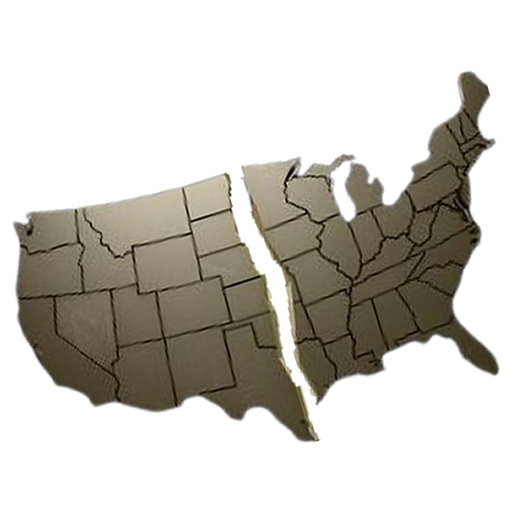
Watched the country begin to break apart during his final months in office, and concluded he had no constitutional power to stop it.
An Experienced Diplomat Facing an Unprecedented Crisis
By the time Buchanan became president, he'd already had an extensive career — congressman, senator, Secretary of State, and ambassador to both Russia and Britain. None of that experience prepared the country for what came next: Buchanan took office as the disputes over slavery's expansion, worsened by his predecessors' compromises, reached a genuine breaking point.
The Dred Scott Decision
Just two days after Buchanan's inauguration, the Supreme Court issued its Dred Scott decision, ruling that Black Americans could not be U.S. citizens and that Congress lacked the power to ban slavery in U.S. territories — a ruling that inflamed sectional tensions further rather than resolving them, and one historians have since scrutinized Buchanan for privately influencing before it was even announced.
Watching the Union Begin to Dissolve
Following Abraham Lincoln's election in November 1860, seven Southern states began seceding before Buchanan's term even ended. Buchanan's position was that secession was illegal, but that the federal government also had no constitutional authority to use force to stop a state from leaving — a stance that left him doing essentially nothing as the crisis deepened for the final months of his presidency, widely regarded by historians as a genuine failure of leadership at the exact moment it mattered most.
A Legacy Defined by Inaction
Buchanan is consistently ranked among the lowest-regarded presidents in American history by historians, almost entirely because of his handling — or non-handling — of the secession crisis he left for Lincoln to inherit on his first day in office.
All Presidents
 1. George Washington
 2. John Adams
 3. Thomas Jefferson
 4. James Madison
 5. James Monroe
 6. John Quincy Adams
 7. Andrew Jackson
 8. Martin Van Buren
 9. William Henry Harrison
 10. John Tyler
 11. James Knox Polk
 12. Zachary Taylor
 13. Millard Fillmore
 14. Franklin Pierce
15. James Buchanan
14. Franklin Pierce
15. James Buchanan
 16. Abraham Lincoln
 17. Andrew Johnson
 18. Ulysses S. Grant
 19. Rutherford B. Hayes
 20. James Abram Garfield
 21. Chester A. Arthur
 22. Grover Cleveland (First Term)
 23. Benjamin Harrison
24. Grover Cleveland (Second Term)
23. Benjamin Harrison
24. Grover Cleveland (Second Term)
 25. William McKinley
 26. Theodore Roosevelt
 27. William Howard Taft
 28. Woodrow Wilson
 29. Warren G. Harding
 30. Calvin Coolidge
 31. Herbert Clark Hoover
 32. Franklin D. Roosevelt
 33. Harry S Truman
 34. Dwight D. Eisenhower
 35. John Fitzgerald Kennedy
 36. Lyndon B. Johnson
 37. Richard M. Nixon
 38. Gerald R. Ford
 39. James Earl Carter
 40. Ronald Reagan
 41. George H. W. Bush
 42. William J. Clinton
 43. George W. Bush
 44. Barack Obama
 45. Donald Trump (First Term)
 46. Joe Biden
 47. Donald Trump (Second Term)