
Millard Fillmore
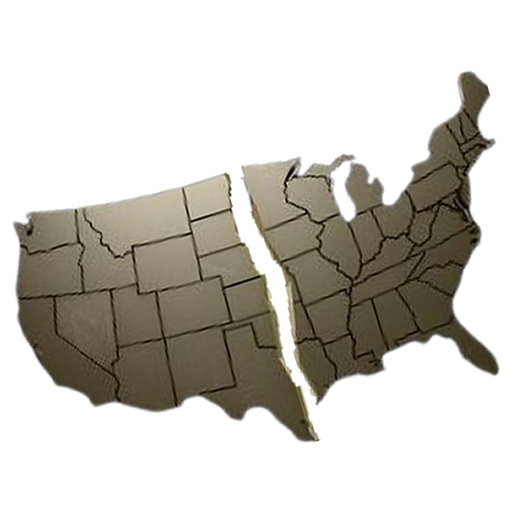
Born into desperate poverty at the dawn of the nineteenth century, Millard Fillmore climbed to the highest office in the land—and inherited a nation breaking into fragments over the question of slavery. Despite his best efforts, the lines of the future battles of the Civil War were drawn, and Fillmore found himself rejected by his own dying party and denied renomination. After almost a quarter of a century out of the White House, he died in New York state in 1874.
The great law of morality ought to have a national as well as a personal and individual application. We should act toward other nations as we wish them to act toward us…. First Annual Message
First Annual Message
Legacy
The issue of slavery continued to dominate national politics during Fillmore’s presidency. In an effort to appease both sides of the issue, he supported the Compromise of 1850 (whose laws Taylor had rejected), which ultimately allowed California to join the Union as a free state, while New Mexico and Utah were allowed to decide on the issue for themselves. The Compromise also abolished the slave trade in the District of Columbia and enforced the return of runaway slaves to their original owners. This latter law was called the Fugitive Slave Act.
Northern members of the Whig Party were angered that Fillmore signed the Fugitive Slave Act and helped to ensure he was not re-nominated for a second term. Fillmore did run for president again in 1856 as a member of the American Party, but was not able to gain widespread support and lost.
All Presidents
 1. George Washington
 2. John Adams
 3. Thomas Jefferson
 4. James Madison
 5. James Monroe
 6. John Quincy Adams
 7. Andrew Jackson
 8. Martin Van Buren
 9. William Henry Harrison
 10. John Tyler
 11. James Knox Polk
 12. Zachary Taylor
13. Millard Fillmore
12. Zachary Taylor
13. Millard Fillmore
 14. Franklin Pierce
 15. James Buchanan
 16. Abraham Lincoln
 17. Andrew Johnson
 18. Ulysses S. Grant
 19. Rutherford B. Hayes
 20. James Abram Garfield
 21. Chester A. Arthur
 22. Grover Cleveland (First Term)
 23. Benjamin Harrison
24. Grover Cleveland (Second Term)
23. Benjamin Harrison
24. Grover Cleveland (Second Term)
 25. William McKinley
 26. Theodore Roosevelt
 27. William Howard Taft
 28. Woodrow Wilson
 29. Warren G. Harding
 30. Calvin Coolidge
 31. Herbert Clark Hoover
 32. Franklin D. Roosevelt
 33. Harry S Truman
 34. Dwight D. Eisenhower
 35. John Fitzgerald Kennedy
 36. Lyndon B. Johnson
 37. Richard M. Nixon
 38. Gerald R. Ford
 39. James Earl Carter
 40. Ronald Reagan
 41. George H. W. Bush
 42. William J. Clinton
 43. George W. Bush
 44. Barack Obama
 45. Donald Trump (First Term)
 46. Joe Biden
 47. Donald Trump (Second Term)