
George W. Bush
George W. Bush, the 43rd President of the United States, led the country during a time of great challenge and change. The terrorist attacks of September 11, 2001, the global war on terror, the war in Iraq, and the economic downturn of 2008 are just some of the major events that Bush had to contend with during his time in office. At different times, President Bush was both the most popular president and one of the least popular presidents in American history, and his administration sparked both passionate defenders and vehement critics. His presidency will continue to be studied and debated for years to come.
States like these, and their terrorist allies, constitute an axis of evil, arming to threaten the peace of the world.
State of the Union Address, January 29, 2002
Legacy
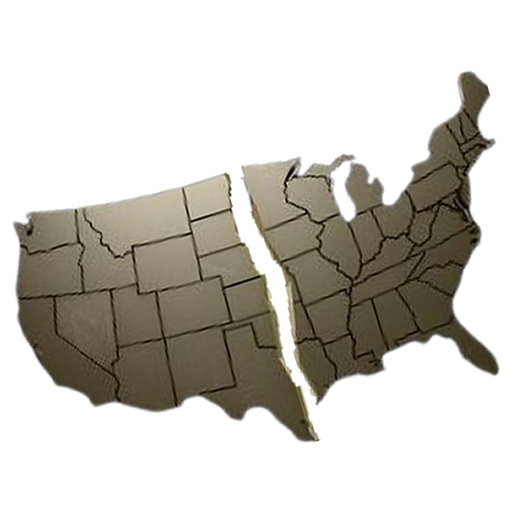
George W. Bush won the presidency in an extremely controversial race against the Democratic candidate Al Gore. In fact, at the end of the day on November 7, 2000, the votes were so close that no winner could be declared. A recount of Florida’s hotly contested votes ended after the Supreme Court ruled 5 to 4 on December 13 to stop the count. In the end Gore had won the popular vote, but Bush had won the Electoral College, making Bush the president.
Throughout his presidential campaign, Bush had promised to cut taxes. Upon taking office, he quickly ushered through a series of significant tax cuts and tax breaks. The measure exempted millions of Americans from paying any taxes, created a new lower bracket for the working poor, and also lowered the top three brackets. Bush also worked successfully to gain bipartisan support of comprehensive education reforms via the No Child Left Behind Act. Though many remain skeptical about the long-term effects of No Child Left Behind, the legislation broke new ground by introducing accountability measures to ensure continued improvements in reading and math proficiency.
All Presidents
 1. George Washington
 2. John Adams
 3. Thomas Jefferson
 4. James Madison
 5. James Monroe
 6. John Quincy Adams
 7. Andrew Jackson
 8. Martin Van Buren
 9. William Henry Harrison
 10. John Tyler
 11. James Knox Polk
 12. Zachary Taylor
 13. Millard Fillmore
 14. Franklin Pierce
 15. James Buchanan
 16. Abraham Lincoln
 17. Andrew Johnson
 18. Ulysses S. Grant
 19. Rutherford B. Hayes
 20. James Abram Garfield
 21. Chester A. Arthur
 22. Grover Cleveland (First Term)
 23. Benjamin Harrison
24. Grover Cleveland (Second Term)
23. Benjamin Harrison
24. Grover Cleveland (Second Term)
 25. William McKinley
 26. Theodore Roosevelt
 27. William Howard Taft
 28. Woodrow Wilson
 29. Warren G. Harding
 30. Calvin Coolidge
 31. Herbert Clark Hoover
 32. Franklin D. Roosevelt
 33. Harry S Truman
 34. Dwight D. Eisenhower
 35. John Fitzgerald Kennedy
 36. Lyndon B. Johnson
 37. Richard M. Nixon
 38. Gerald R. Ford
 39. James Earl Carter
 40. Ronald Reagan
 41. George H. W. Bush
 42. William J. Clinton
43. George W. Bush
42. William J. Clinton
43. George W. Bush
 44. Barack Obama
 45. Donald Trump (First Term)
 46. Joe Biden
 47. Donald Trump (Second Term)