
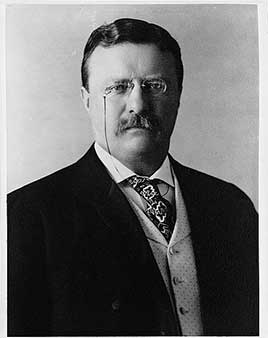
26th President
Theodore Roosevelt
1901 – 1909 · Republican
Theodore Roosevelt, who came into office in 1901 and served until 1909, is considered the first modern President because he significantly expanded the influence and power of the executive office. From the Civil War to the turn of the twentieth century, the seat of power in the national government resided in the U.S. Congress. Beginning in the 1880s, the executive branch gradually increased its power. Roosevelt seized on this trend, believing that the President had the right to use all powers except those that were specifically denied him to accomplish his goals. As a result, the President, rather than Congress or the political parties, became the center of the American political arena. As President, Roosevelt challenged the ideas of limited government and individualism. In their stead, he advocated government regulation to achieve social and economic justice. He used executive orders to accomplish his goals, especially in conservation, and waged an aggressive foreign policy. He was also an extremely popular President and the first to use the media to appeal directly to the people, bypassing the political parties and career politicians.
Life & Career
Presidency
Administration
Executive Orders
No numbered executive orders for this administration
The federal government did not assign sequential numbers to presidential directives until 1862 (Abraham Lincoln). Presidents before that issued orders, proclamations, and other directives, but they are not part of the modern numbered EO series.
When digitized early directives for this administration become available on the site, a search of those records can replace this note.
Sources & Speeches
In facing new industrial conditions, the whole history of the world shows that legislation will generally be both unwise and ineffective unless undertaken after calm inquiry and with sober self-restraint. First Annual Message
First Annual Message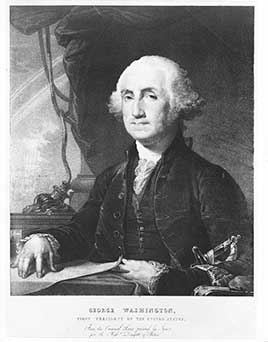 1. Washington
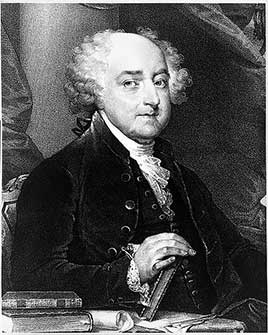 2. Adams
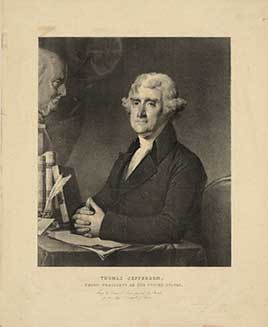 3. Jefferson
 4. Madison
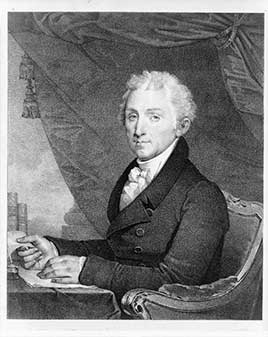 5. Monroe
 6. Adams
 7. Jackson
 8. Van Buren
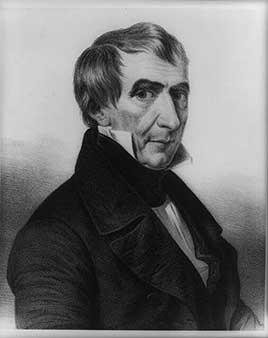 9. Harrison
 10. Tyler
 11. Polk
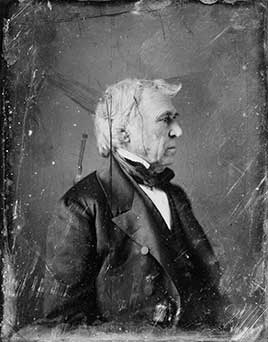 12. Taylor
 13. Fillmore
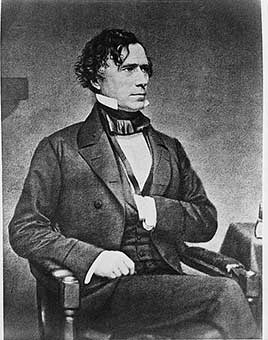 14. Pierce
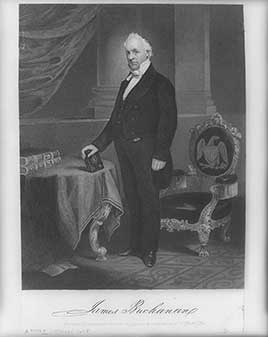 15. Buchanan
 16. Lincoln
 17. Johnson
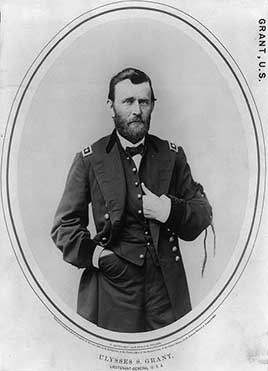 18. Grant
 19. Hayes
 20. Garfield
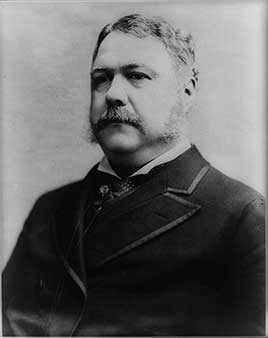 21. Arthur
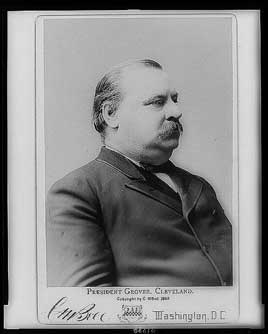 22. Term)
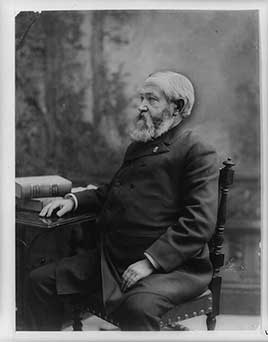 23. Harrison
24. Term)
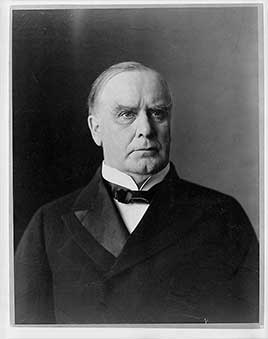 25. McKinley
26. Roosevelt
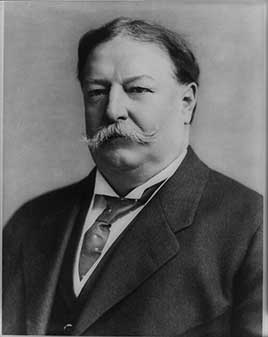 27. Taft
 28. Wilson
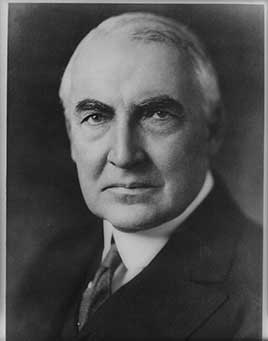 29. Harding
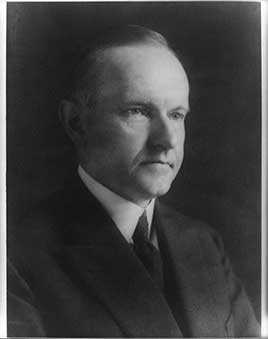 30. Coolidge
 31. Hoover
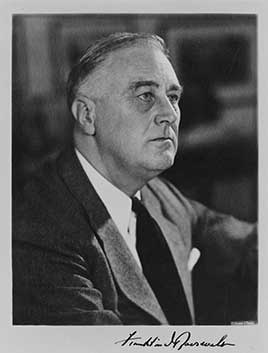 32. Roosevelt
 33. Truman
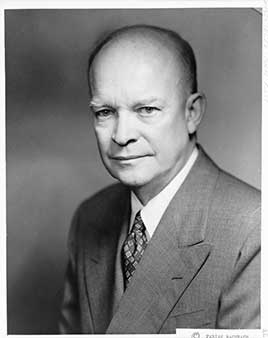 34. Eisenhower
 35. Kennedy
 36. Johnson
 37. Nixon
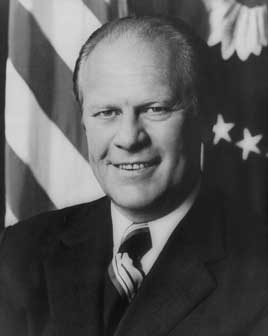 38. Ford
 39. Carter
 40. Reagan
 41. Bush
 42. Clinton
 43. Bush
 44. Obama
 45. Term)
 46. Biden
 47. Term)