by Eric Wood
Share
In this detailed explanation of the reasons behind the American colonies’ declaration of independence, Belle unpacks the commonly oversimplified narrative that the revolution was primarily about taxes.
Drawing directly from the Declaration of Independence, she highlights that taxes are mentioned only once among 27 grievances against King George III. Instead, the Declaration reads more like a breakup letter outlining numerous abuses and tyrannies inflicted by the British Crown on the colonies.
These include the king’s refusal to approve local laws, dissolving representative assemblies, obstructing immigration and naturalization, interfering with the judiciary, imposing standing armies without consent, quartering troops, restricting trade, depriving colonists of trial by jury, and inciting domestic violence and insurrections. Fighting had already been ongoing for a year before the Declaration was signed, showing that the grievances were longstanding and severe.
The king’s actions were seen as systematic attempts to deny the colonies self-governance, justice, and basic rights, culminating in a loss of protection and open warfare. Belle emphasizes that understanding these multiple and complex reasons enriches the common understanding of why the colonies sought independence, moving beyond the simplistic “taxation” explanation to a broader view of tyranny and oppression.
Leave A Comment

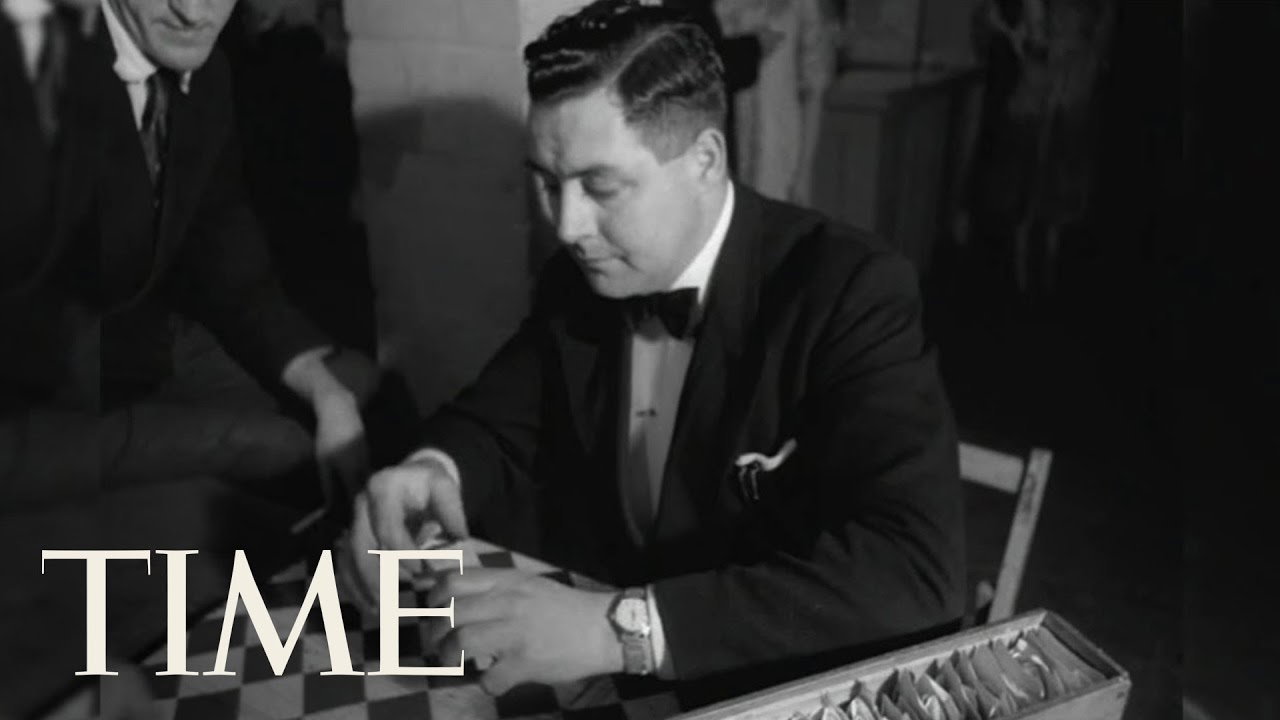
[embedyt] https://www.youtube.com/watch?v=tQE0ldkiKo0[/embedyt] The video provides a historical overview of the federal minimum wage in the United States, beginning with its establishment in 1938 when President Franklin Roosevelt signed the Fair Labor Standards Act, setting the wage at 25 cents per hour. Importantly, the minimum wage is not automatically indexed to inflation; it only increases through
-
[embedyt] https://www.youtube.com/watch?v=3G3OmCMc1H4[/embedyt] The video transcript presents an in-depth historical and economic analysis of the minimum wage in the United States, its origins, evolution, and contemporary challenges. It begins by addressing common misconceptions about minimum wage laws, such as the belief that raising the minimum wage necessarily leads to job loss or economic downturn. It then
-
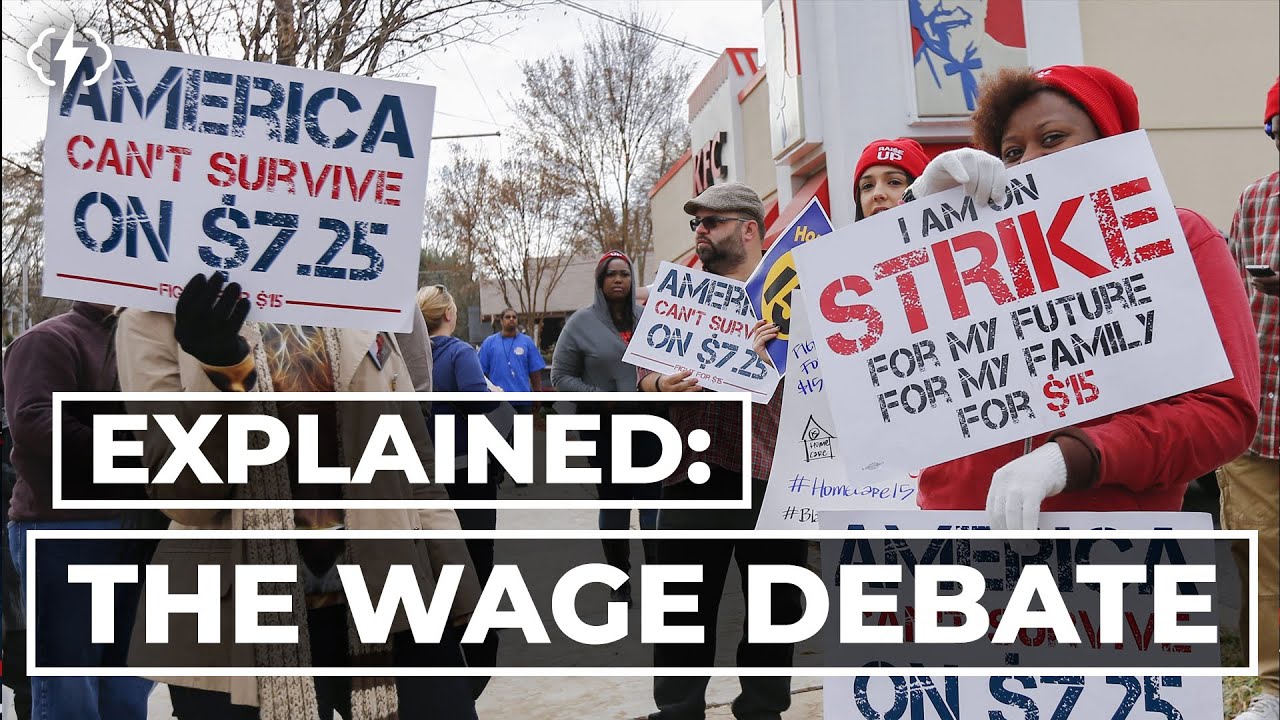
[embedyt] https://www.youtube.com/watch?v=hL5VOorY9pw[/embedyt] The video presents a comprehensive analysis of the U.S. federal minimum wage debate, exploring historical context, economic realities, common objections, and societal implications. It begins by outlining the origins of minimum wage legislation in the early 20th century, highlighting the exploitative conditions workers faced before laws like the Fair Labor Standards Act of
-
[embedyt] https://www.youtube.com/watch?v=v-8t0EfLzQo[/embedyt] The video transcript provides a comprehensive analysis of media bias, focusing on how mainstream media in Western capitalist democracies, particularly the UK and the US, do not merely report events neutrally but actively shape the interpretation and meaning of those events. Using the BBC’s 2020 Newsnight report on the English Channel migrant crossings