
July 8, 2026
The Day Everything Becomes Political
A major event can unite a country for a moment, then divide it as fear, media, institutions, and identity race to explain what happened.
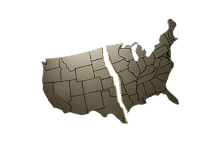
A major event can unite a country for a moment, then divide it as fear, media, institutions, and identity race to explain what happened.

Public opinion is shaped by institutions that decide what gets amplified, what gets buried, and who is treated as credible.
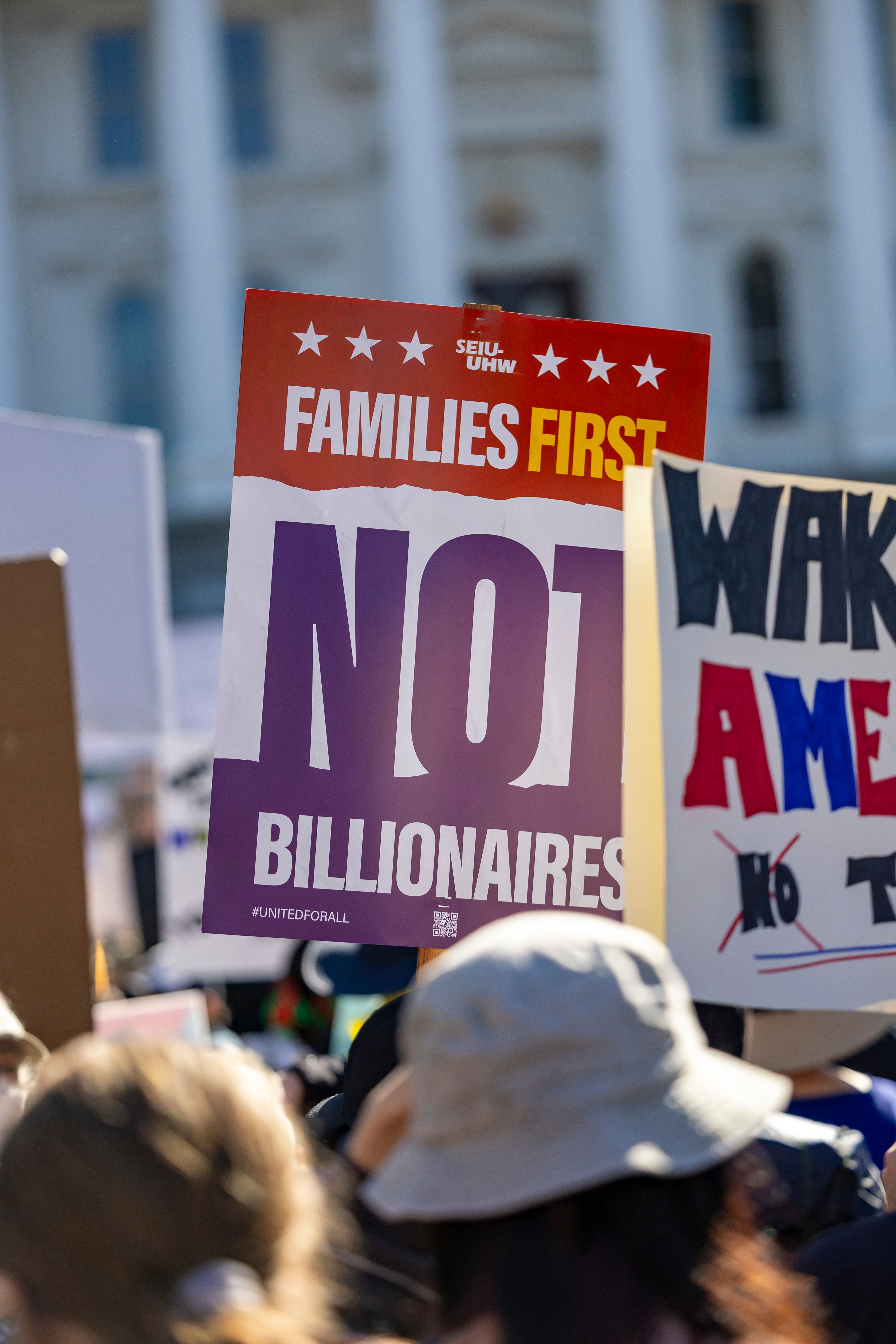
Income inequality feels most corrosive when the old elevator of advancement still appears to exist but stops between floors for too many people.
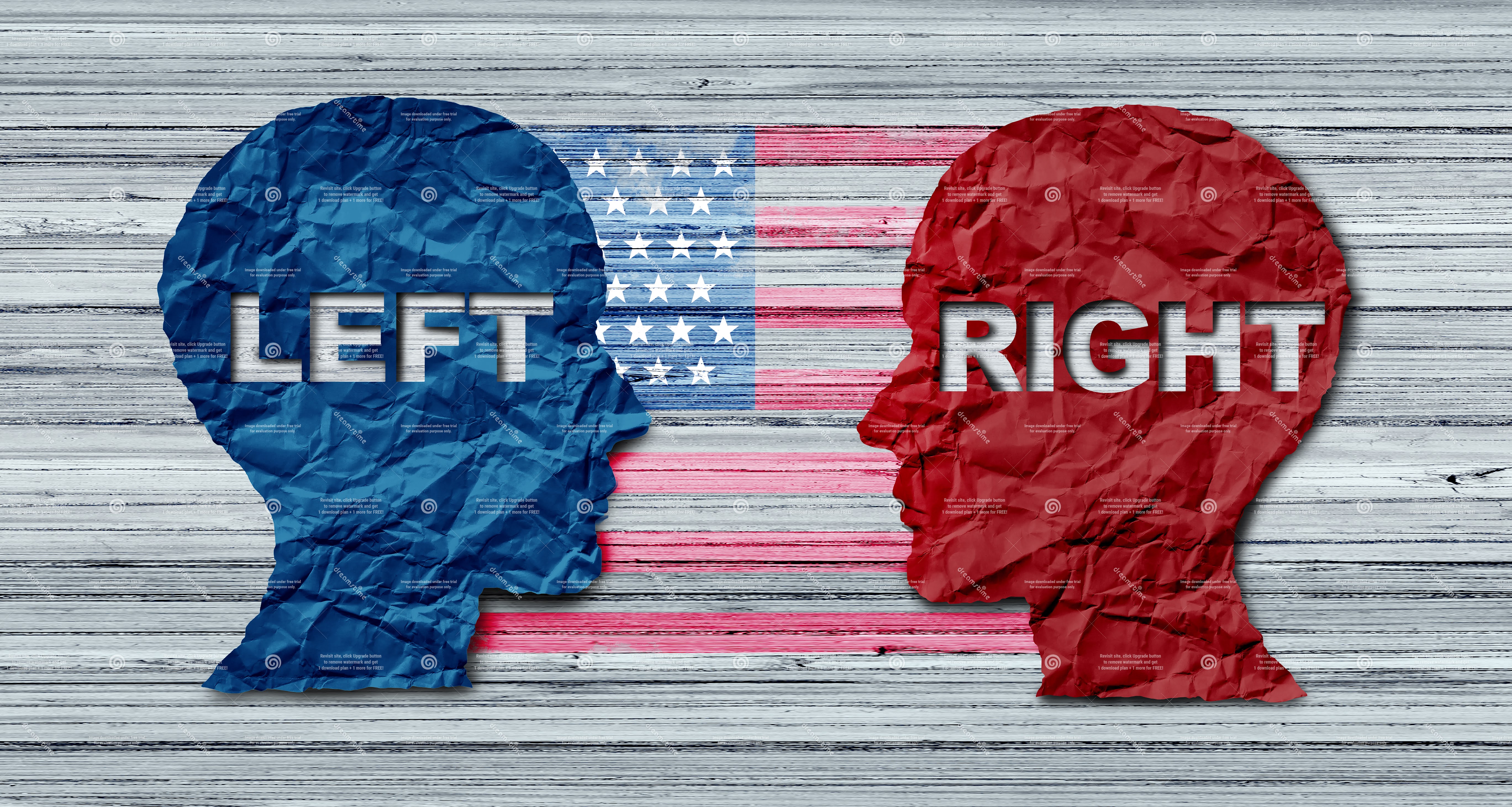
Democracy renews itself not through slogans but through the hard public rooms where anger has to become a decision.
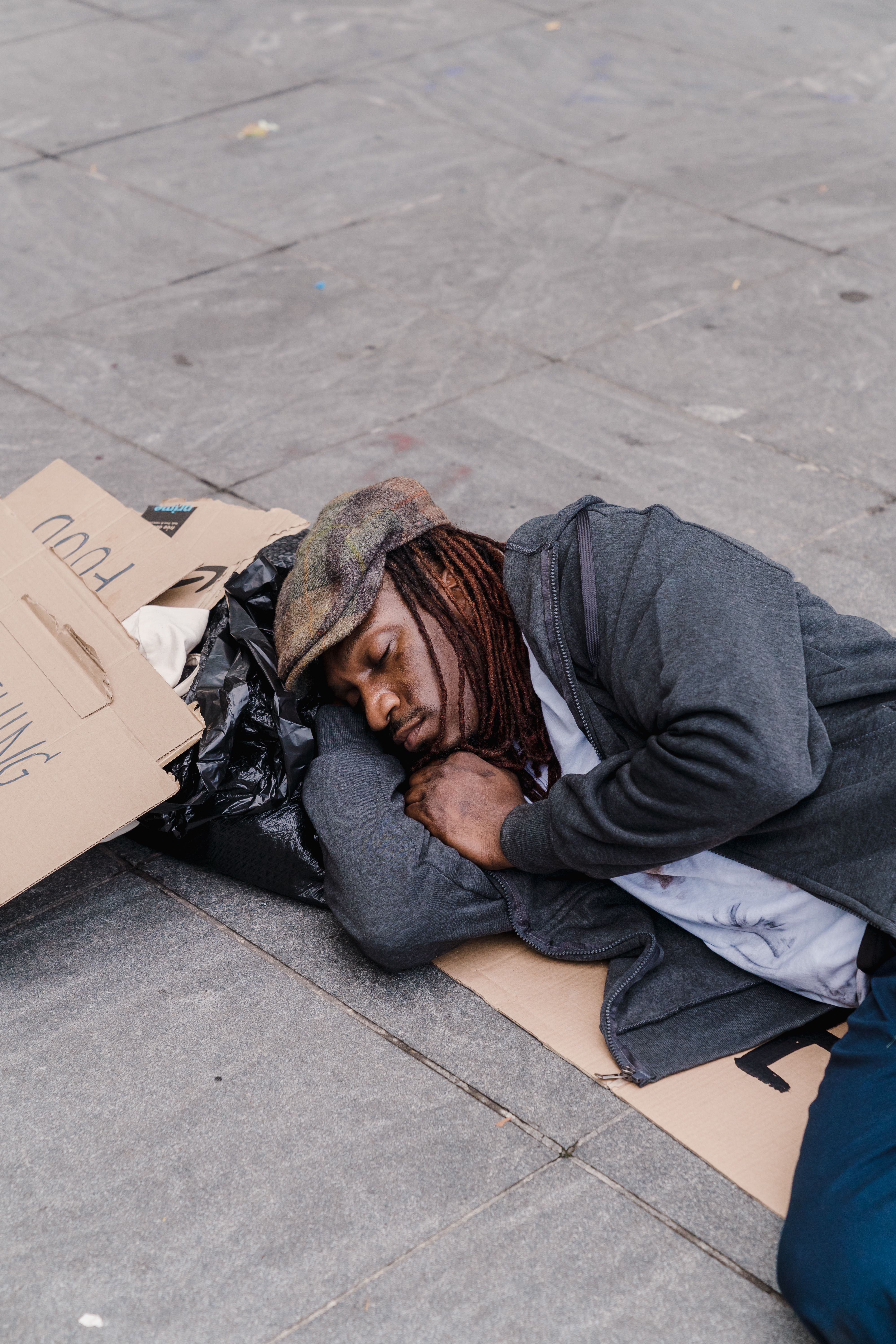
Homelessness begins before the sidewalk; it begins as a chain of missed supports, unaffordable housing, health needs, job shocks, and paperwork that fails under pressure.
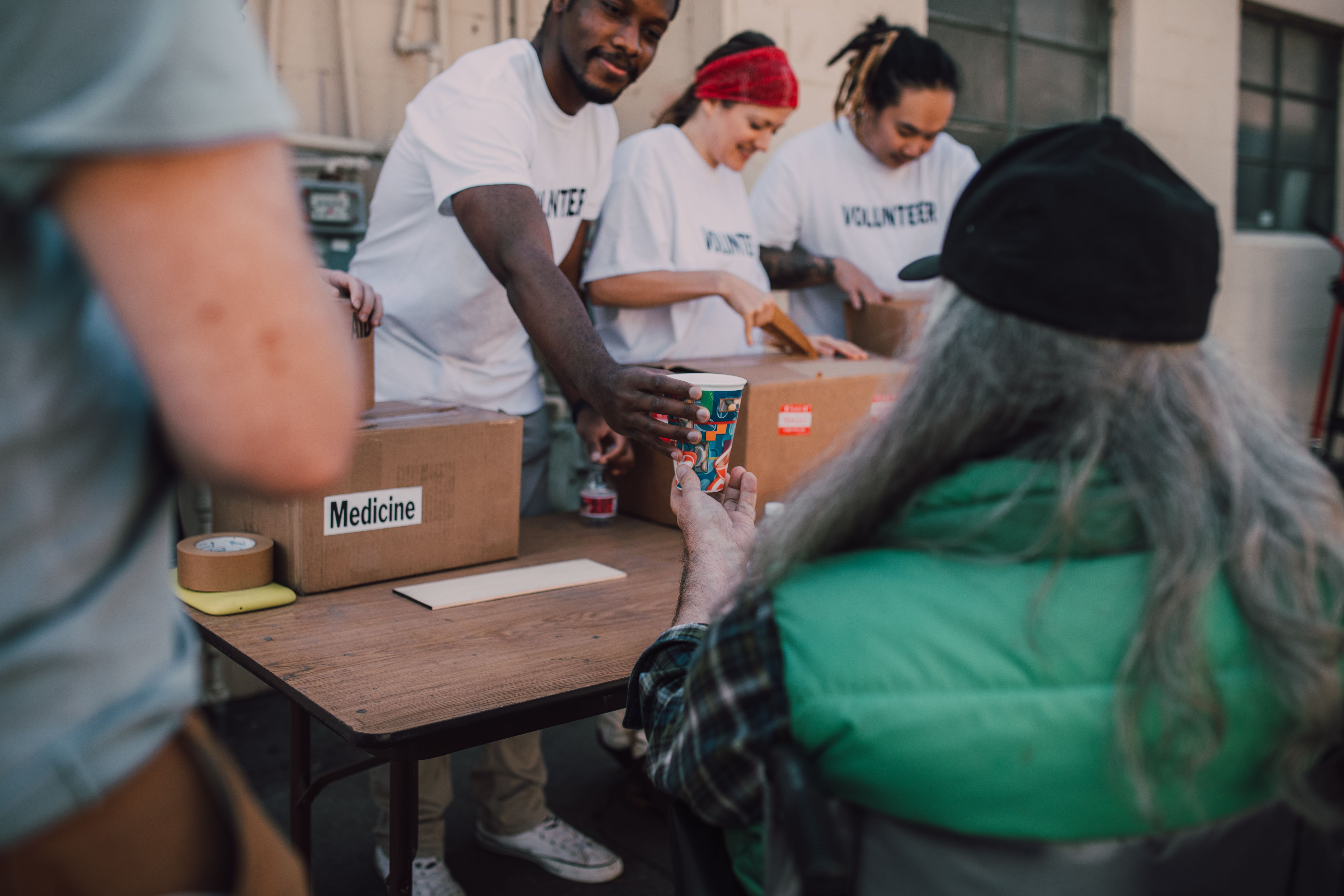
Public support often fails not because help does not exist, but because people cannot find the right door at the right moment.
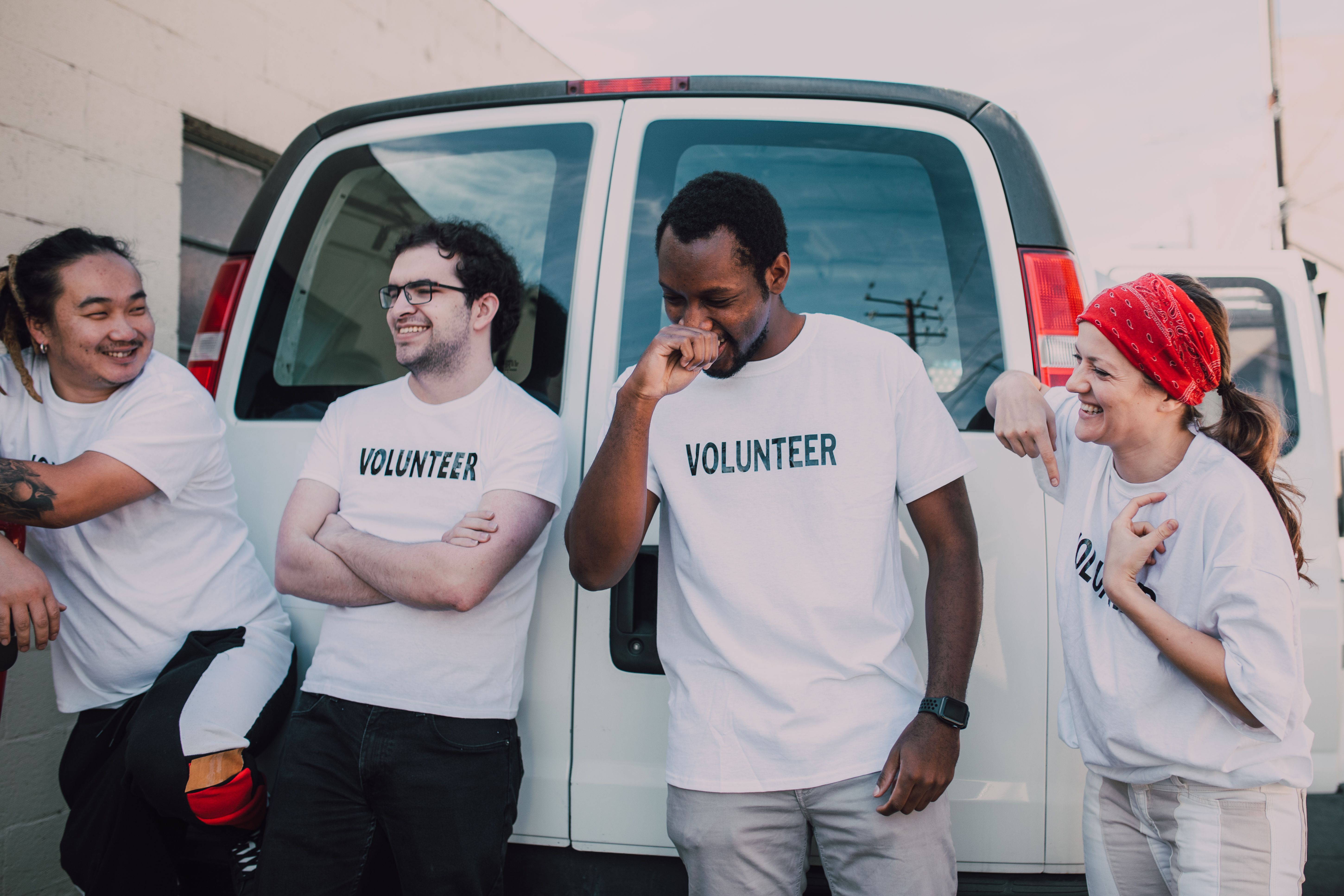
Getting involved often starts with an awkward public moment, then grows into a habit of knowing where decisions happen and showing up prepared.

The cost of living crisis is not one problem but a chain of housing, transportation, wages, care, debt, and local choices that make stability expensive.

General assistance programs are often local, limited, and confusing, but they can become the bridge between crisis and collapse.

The workplace is not just where wages are earned; it is a structure of information, authority, risk, and power that decides whose judgment counts.