by Eric Wood
Share
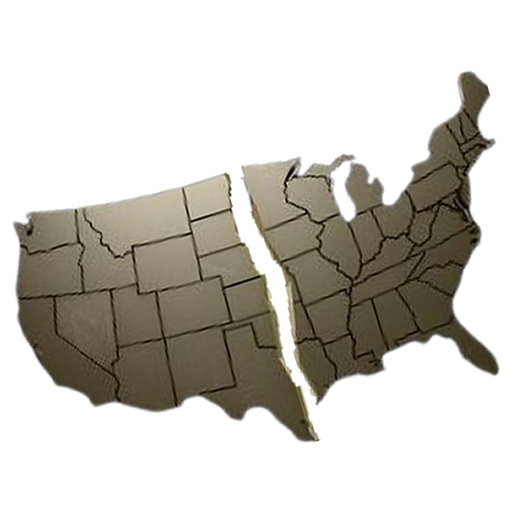
The last amendment in the Bill of Rights states the basic design principle behind all of them: the federal government only has the powers it’s actually been given. Everything else belongs to the states, or to the people directly.
The powers not delegated to the United States by the Constitution, nor prohibited by it to the States, are reserved to the States respectively, or to the people.
Tenth Amendment, U.S. Constitution
The theory behind federalism
The Tenth Amendment is often called the states’-rights amendment, though that shorthand undersells its actual structure: it reserves power to the states and to the people, not to states alone. It restates a principle already implicit in Article I’s grant of specifically “enumerated” powers to Congress - the federal government was designed from the outset to have limited, listed powers, not a general grant of authority to legislate on anything.
In practice, the line between federal and state power has moved considerably since 1791, largely because of how broadly courts have interpreted two other constitutional provisions: the Commerce Clause, which gives Congress power to regulate interstate commerce and has been read expansively enough to reach a wide range of economic activity, and the Necessary and Proper Clause, which lets Congress pass laws reasonably connected to carrying out its enumerated powers. The bigger those two clauses are read, the smaller the practical space the Tenth Amendment protects.

Worth knowing
The Supreme Court has used the Tenth Amendment to strike down federal laws in a narrower but real category of cases: those that try to directly commandeer state governments into administering a federal program. New York v. United States (1992) and Printz v. United States (1997) both held that Congress can’t force state legislatures or state officials to implement or enforce federal law - the federal government can regulate individuals directly, or offer states incentives to cooperate, but can’t simply order state governments to do its work for it.
Why it still matters
Nearly every dispute over whether an issue belongs to Congress or to state legislatures - marijuana legalization, minimum wage floors, environmental regulation, more recently pandemic-era mandates - eventually runs into the same underlying question this amendment poses: was this ever a federal power to begin with, or was it reserved to the states all along? The amendment doesn’t answer that question for any specific issue on its own, but it’s the constitutional starting point every one of those arguments has to address.


Leave A Comment
Eighty-five essays written under one shared pen name to win over a skeptical New York - who actually wrote them, why the secrecy, and why courts still cite them today.
Why the Declaration of Independence isn't a legal document, what it actually argues, and how its language has shaped American rights movements ever since.
The Declaration of Independence, The Federalist Papers, and the Constitution and Bill of Rights - three documents, three different jobs, and how they relate to each other.
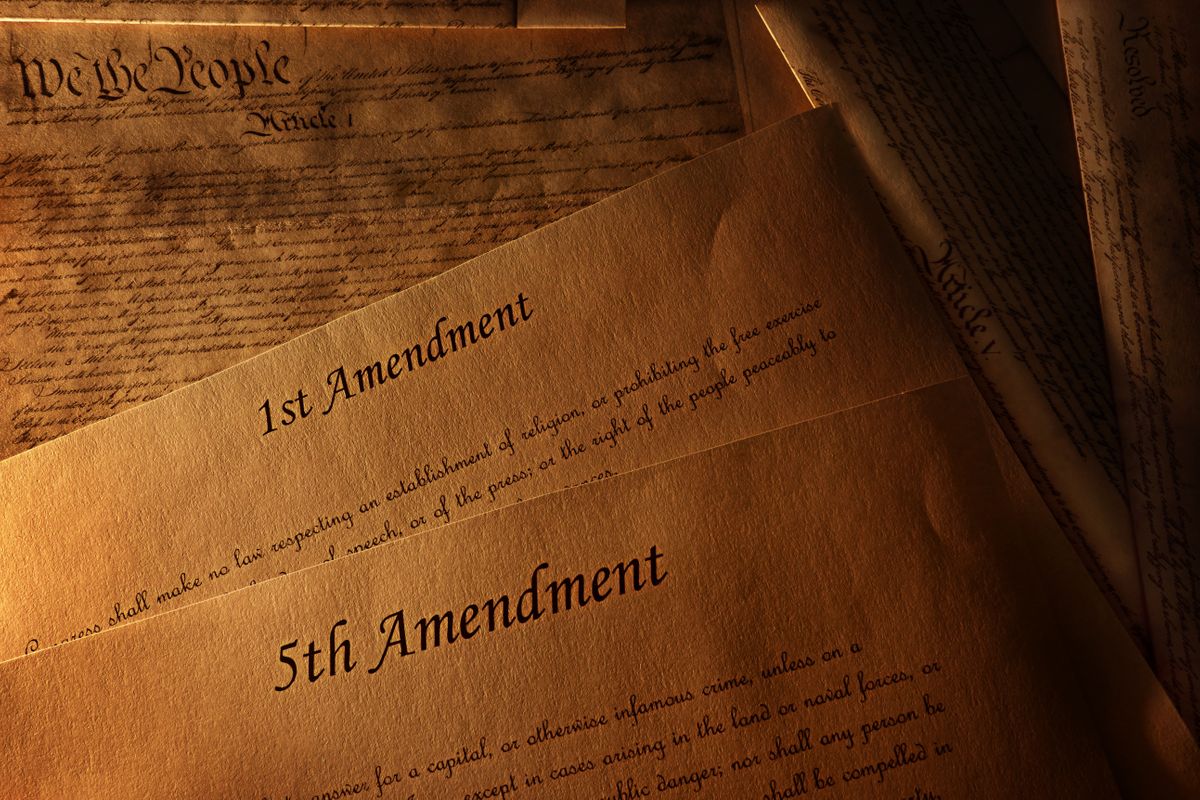
Rights not listed in the Constitution are still retained by the people - why Madison added this amendment, and why it remains one of the least settled parts of constitutional law.