Powers not given to the federal government belong to the states or the people - the constitutional basis for federalism, and where courts have actually enforced it.
-
Rights not listed in the Constitution are still retained by the people - why Madison added this amendment, and why it remains one of the least settled parts of constitutional law.
-
Excessive bail, excessive fines, and cruel and unusual punishment - and why courts read this amendment's meaning as evolving rather than fixed to 1791.
-
The right to a jury trial in federal civil cases, why it rarely applies to state courts, and what the twenty-dollar threshold actually means today.
-
Speedy trial, impartial jury, confronting witnesses, and the right to a lawyer - including how Gideon v. Wainwright created the public defender system.
-
Grand juries, double jeopardy, self-incrimination, due process, and just compensation - the five protections packed into one amendment, and where Miranda rights actually come from.
-
Unreasonable searches and seizures, warrants and probable cause, and how the amendment now applies to cell phones and digital records it was never written for.
-
No quartering soldiers in private homes without consent - the least litigated amendment, why it exists, and its quiet role in the constitutional right to privacy.
-
The right to keep and bear arms, the militia clause, and how Heller, McDonald, and Bruen have shaped what the amendment actually protects today.
-
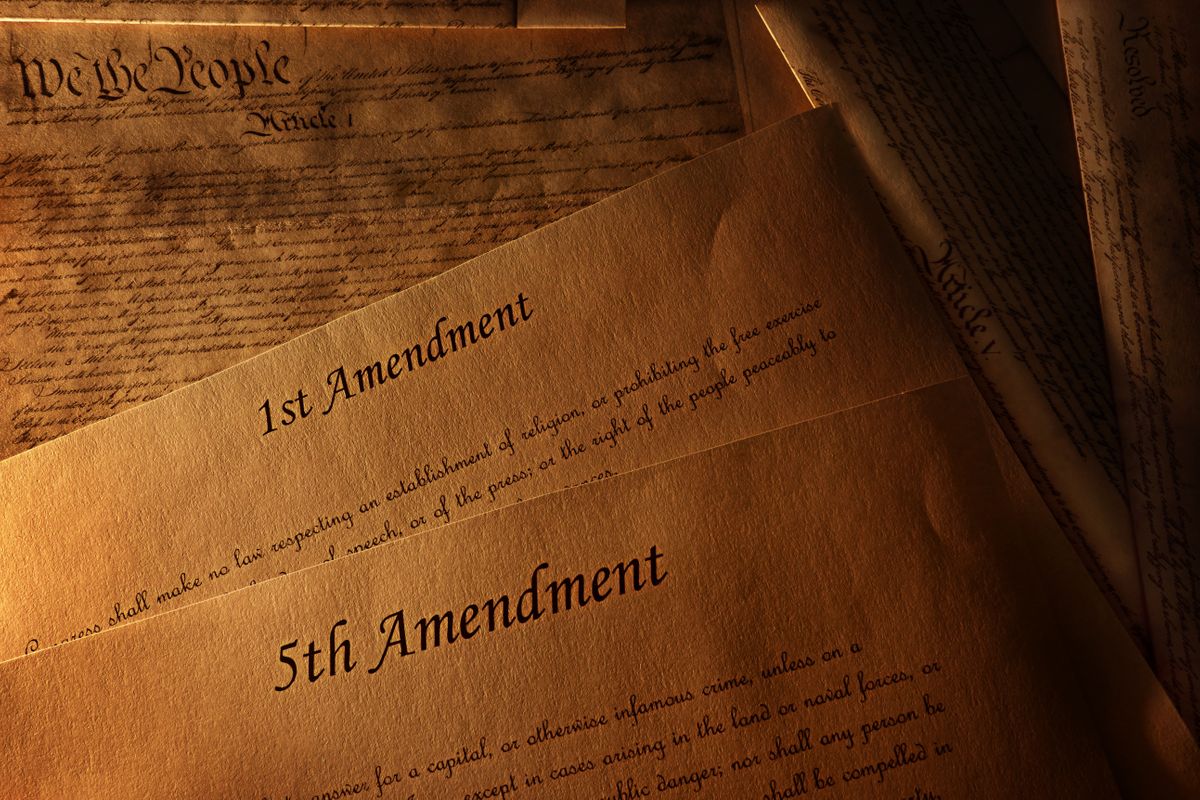
Religion, speech, press, assembly, and petition - the five freedoms of the First Amendment, what each one actually protects, and where real debate exists about its limits.