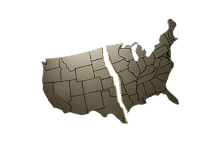
Shelby County v. Holder
The decision changed federal voting-rights enforcement and shifted many disputes to litigation after laws take effect.
Was the Voting Rights Act’s coverage formula constitutional?
Shelby County v. Holder challenged the coverage formula used by the Voting Rights Act to determine which jurisdictions needed federal preclearance before changing voting rules. The case did not strike down preclearance itself, but it challenged the map that made preclearance operate.
The Supreme Court invalidated the coverage formula in Section 4(b), holding that Congress relied on outdated data and treated states unequally without sufficient current justification. Without a valid coverage formula, the Section 5 preclearance system stopped operating unless Congress created a new formula.
The decision reshaped voting-rights enforcement. Disputes that once would have been reviewed before rules changed moved into later litigation, placing more pressure on voters, advocacy groups, the Justice Department, and courts to challenge rules after they take effect.
Facts
A county challenged the Voting Rights Act coverage formula used for preclearance.
Ruling
The Court invalidated the coverage formula, effectively disabling the preclearance system until Congress creates a new formula.
Why It Matters
The decision changed federal voting-rights enforcement and shifted many disputes to litigation after laws take effect.
Related Ideas