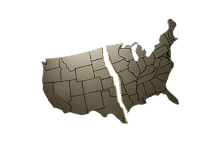

Understand the Declaration as a political argument: why the colonies claimed the right to separate and what principles they used to justify it.
A guide to the Declaration as a public argument for independence, consent, rights, grievances, and political legitimacy.
Government works best when people can see how power is used and where decisions are made.
What The Declaration Is
The Declaration of Independence is not the Constitution. It does not create Congress, the presidency, or the federal courts. It is a public argument for separation from Britain. It declares principles, lists grievances, and explains why the colonies claimed political independence. Its language about equality, rights, consent, and the right to alter government became part of the American civic vocabulary even though the document itself is not the operating charter of the federal government.
How It Connects To The Constitution
The Declaration explains why Americans believed government needed consent and rights. The Constitution, written later, builds a government. The Bill of Rights limits that government. The three documents are connected, but they do different jobs. Confusing them makes civic debates blurrier; reading them in sequence makes the system easier to understand.
Read The Official Text
For the exact wording, spelling, and punctuation, use the National Archives transcription and document pages. The Guide explains the structure and meaning; the official source provides the text to verify.
How to use this page
Use Declaration of Independence without getting lost.
The Declaration is a public argument for independence and legitimacy; it should not be confused with the Constitution’s operating rules.
Official starting points
Use these sources to check current text, records, deadlines, forms, votes, rules, or public notices.
Quick Link Guide
One-click access to other sections of the government education guide.
Guide To Government
Start with branches, powers, checks, records, and practical resources.
Congress
Lawmaking, representation, committees, and oversight.
Executive Branch
Presidency, agencies, and presidential actions.
Judicial Branch
Courts, cases, and court resources.
Federal Budget
Revenue, spending, deficits, debt, and shutdowns.
Elections
Voting, participation, and official election resources.
Government Resources
Official public service and self-help resources.
Glossary
Definitions, tooltips, and related pages.