by Eric Wood
Share
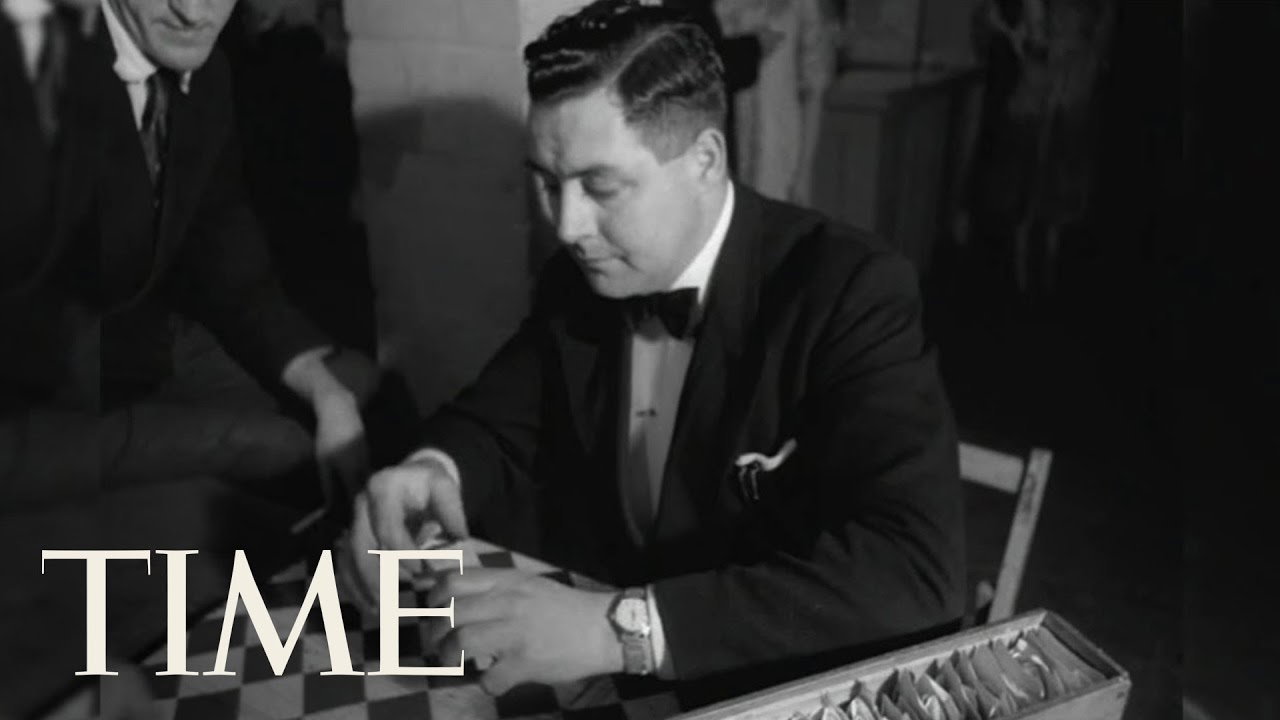
This video delivers a comprehensive exploration of the systemic, structural, and institutional racism that has historically and continuously suppressed Black economic mobility in the United States. The narrative begins by confronting common misconceptions and questions often posed by white audiences about why Black Americans have not achieved economic parity despite affirmative action, the election of a Black president, or claims of personal responsibility. Using the testimony of Viola Fletcher, a survivor of the 1921 Tulsa Massacre, the video draws a vivid historical context illustrating the violent destruction of Black wealth and communities, specifically highlighting the obliteration of “Black Wall Street,” a thriving Black economic hub in Tulsa, Oklahoma.
The discussion then delves into the post-Civil War era, emphasizing broken promises such as the failure of “40 acres and a mule,” and the deliberate legislative and societal barriers—ranging from Jim Crow laws, housing segregation, discriminatory banking practices, and redlining—that prevented Black people from accumulating wealth through land ownership, banking, and homeownership. The failure of Black-owned banks, often deprived of capital and support, is analyzed as part of a larger pattern of systemic exclusion from the broader financial system.
The video traces the continuity of these exclusionary practices into the 20th century, highlighting how New Deal reforms, while beneficial to many white Americans, systematically excluded Black communities, and how programs like the GI Bill were undermined by state-level racism. It addresses the rise of contract selling, predatory lending, and redlining, which trapped Black families in cycles of poverty and denied them access to the credit and equity-building opportunities available to white families.
The narrative also critiques the myth that Black Americans should simply “pull themselves up by their bootstraps,” explaining that without access to fundamental economic tools and protections, this advice is both unrealistic and cruel. It further outlines how policies and political rhetoric from the Nixon era through the Reagan years systematically dismantled support for Black economic advancement and how the war on drugs and mass incarceration decimated Black communities’ ability to build and retain wealth.
The film concludes by examining the devastating impact of the 2008 financial crisis on Black wealth, the persistent wealth gap, and the continuing effects of the COVID-19 pandemic on Black and Hispanic communities. It argues that meaningful progress requires addressing historic theft of wealth through reparations, improved access to credit, homeownership, education, healthcare, and broadband internet, and dismantling the political and economic mechanisms that foster division and scapegoating among marginalized groups. The video advocates for a nuanced understanding of racism as a product of economic disenfranchisement rather than mere prejudice, urging systemic reforms to achieve true equity.
Leave A Comment

[embedyt] https://www.youtube.com/watch?v=tQE0ldkiKo0[/embedyt] The video provides a historical overview of the federal minimum wage in the United States, beginning with its establishment in 1938 when President Franklin Roosevelt signed the Fair Labor Standards Act, setting the wage at 25 cents per hour. Importantly, the minimum wage is not automatically indexed to inflation; it only increases through
-
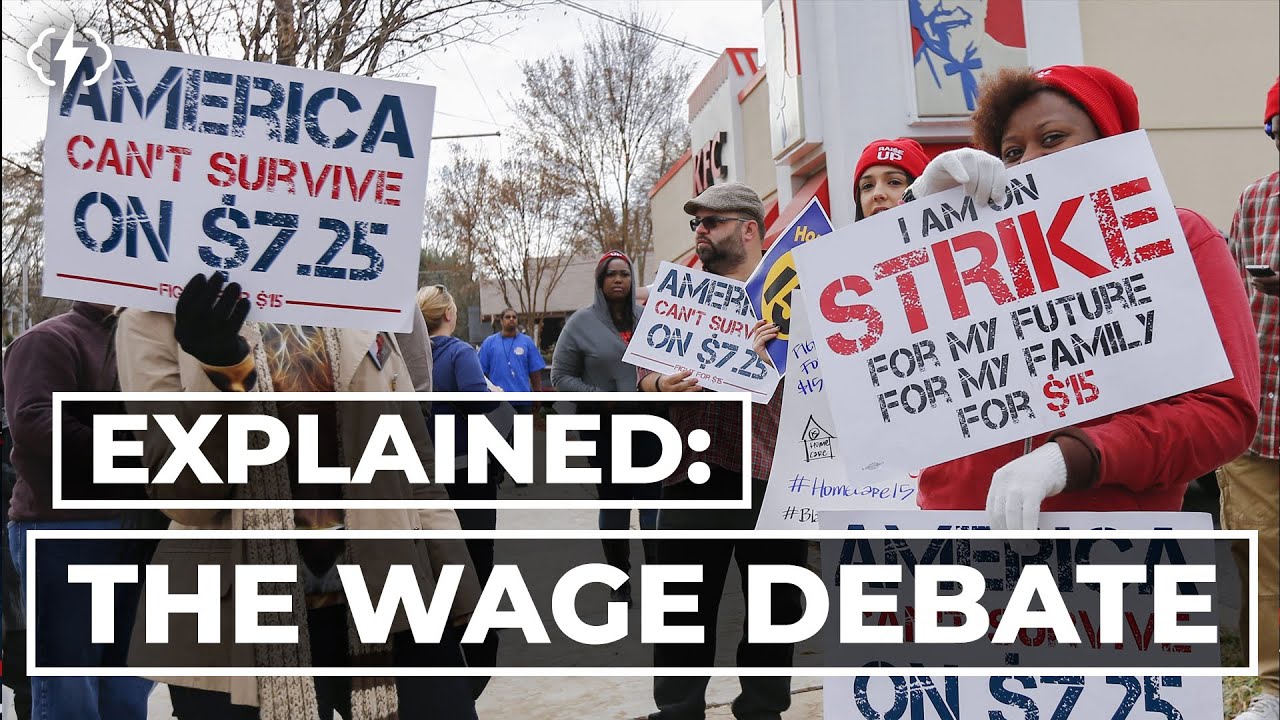
[embedyt] https://www.youtube.com/watch?v=3G3OmCMc1H4[/embedyt] The video transcript presents an in-depth historical and economic analysis of the minimum wage in the United States, its origins, evolution, and contemporary challenges. It begins by addressing common misconceptions about minimum wage laws, such as the belief that raising the minimum wage necessarily leads to job loss or economic downturn. It then
-
[embedyt] https://www.youtube.com/watch?v=hL5VOorY9pw[/embedyt] The video presents a comprehensive analysis of the U.S. federal minimum wage debate, exploring historical context, economic realities, common objections, and societal implications. It begins by outlining the origins of minimum wage legislation in the early 20th century, highlighting the exploitative conditions workers faced before laws like the Fair Labor Standards Act of
-
[embedyt] https://www.youtube.com/watch?v=v-8t0EfLzQo[/embedyt] The video transcript provides a comprehensive analysis of media bias, focusing on how mainstream media in Western capitalist democracies, particularly the UK and the US, do not merely report events neutrally but actively shape the interpretation and meaning of those events. Using the BBC’s 2020 Newsnight report on the English Channel migrant crossings