
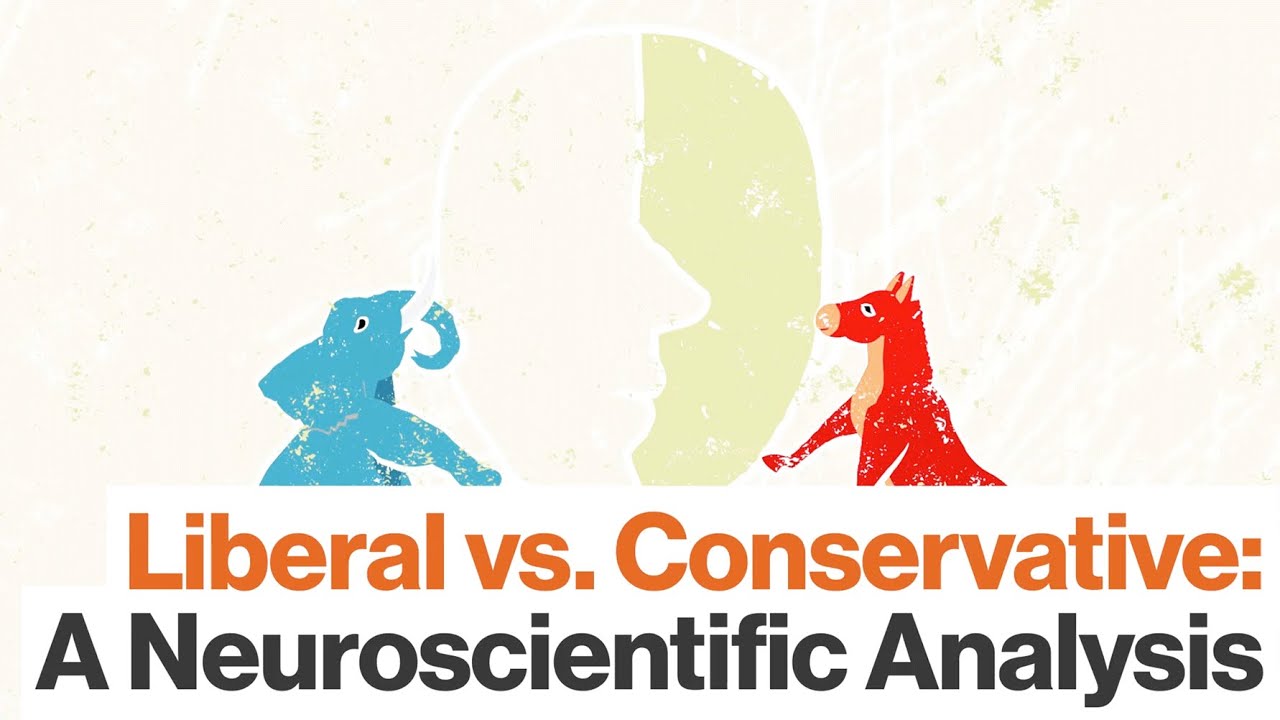
This video features psychiatrist Dr. Gail Saltz discussing neuroscience research on structural brain differences between self-identified liberals and conservatives — specifically studies finding that liberals tend to have a larger anterior cingulate gyrus (associated with processing new information) while conservatives tend to have a larger right amygdala (associated with fear processing). Dr. Saltz explains that one study could predict political identification from brain structure alone with about 72% accuracy, and a separate functional-MRI study measuring brain activity during risk-based tasks improved on that to roughly 83%.
Dr. Saltz is careful to frame this as a spectrum, not a binary — noting the findings don’t account for people who identify as independent, and that the brain’s plasticity leaves open whether these differences shape political views or the reverse. She connects the neuroscience to communication strategy, arguing that appeals to conservatives tend to land better when framed around stability and tradition, while appeals to liberals tend to land better through novel, data-driven framing — illustrating the point with contrasting examples on gun policy and marriage.
Note: some of the video’s specific claims — including its characterization of why CDC gun-violence research funding has been restricted — reflect the speaker’s own framing and aren’t independently verified by this site.