by Eric Wood
Share
The video provides a comprehensive exploration of the often misunderstood and politically charged terms capitalism, socialism, and communism. It opens by highlighting the polarized debates and criticisms surrounding these economic systems, with various commentators and critics weighing in on their perceived successes and failures. Capitalism is presented as an economic system characterized by private ownership and competition in a free market, though critics emphasize its associated social inequalities and human costs. Socialism is described both as a theory and system advocating community ownership of production, with historical ties to Marxist ideology; however, its practical implementations, such as in Venezuela, are criticized for economic failure and hardship. Communism is introduced as a radical theory promoting a stateless, classless society with communal ownership of all goods, but its real-world attempts have often led to authoritarian regimes and mass suffering.
The video stresses the confusion and misuse of these terms in contemporary discourse, where they are frequently weaponized or conflated incorrectly with political systems like fascism or totalitarianism. To clarify, the video turns to dictionary definitions and economic theory, breaking down capitalism, socialism, and communism as economic systems and political ideologies. It further expands on the four primary types of economic systems: traditional, command, market, and mixed economies, emphasizing that most modern economies are mixed, combining elements from each system.
The video also touches on the economic concepts of goods—private, club, common, and public—and highlights how debates over whether services like healthcare should be classified as public goods often spark accusations of socialism. Ultimately, the video encourages viewers to ask for clear definitions when these terms are used in discussions, acknowledging their evolving meanings and the complexity behind them.
Leave A Comment

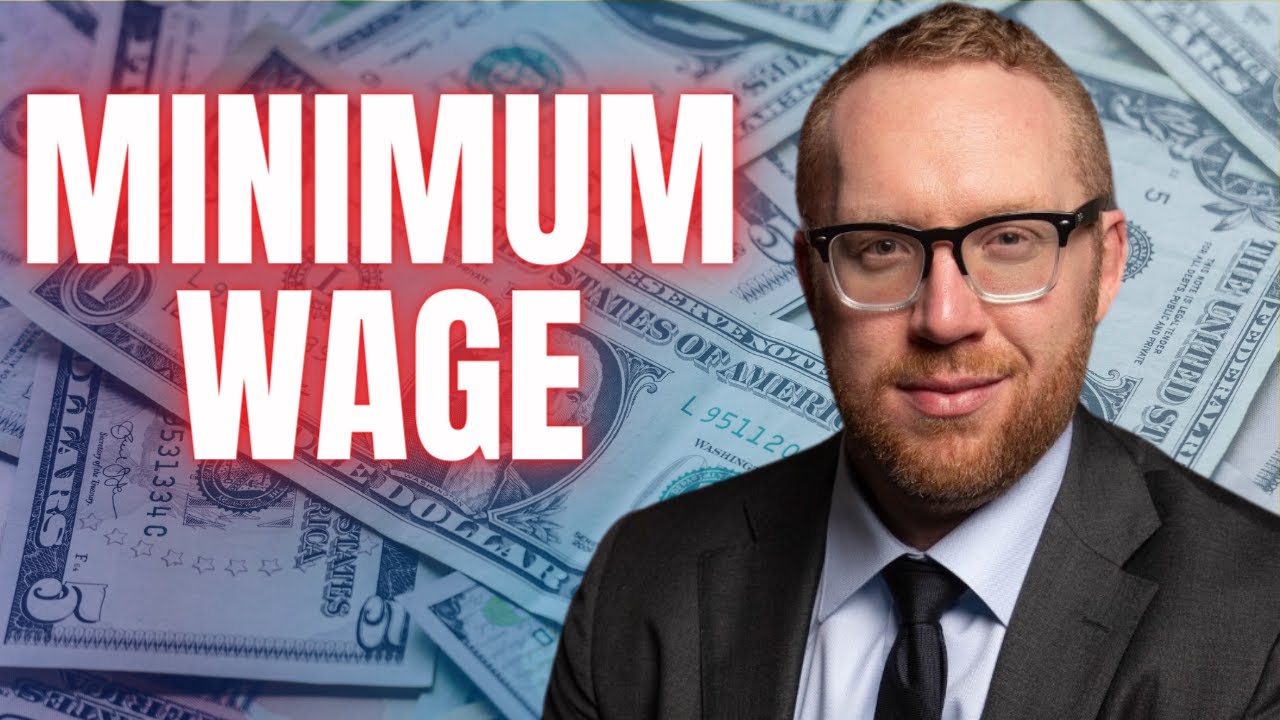
[embedyt] https://www.youtube.com/watch?v=tQE0ldkiKo0[/embedyt] The video provides a historical overview of the federal minimum wage in the United States, beginning with its establishment in 1938 when President Franklin Roosevelt signed the Fair Labor Standards Act, setting the wage at 25 cents per hour. Importantly, the minimum wage is not automatically indexed to inflation; it only increases through
-
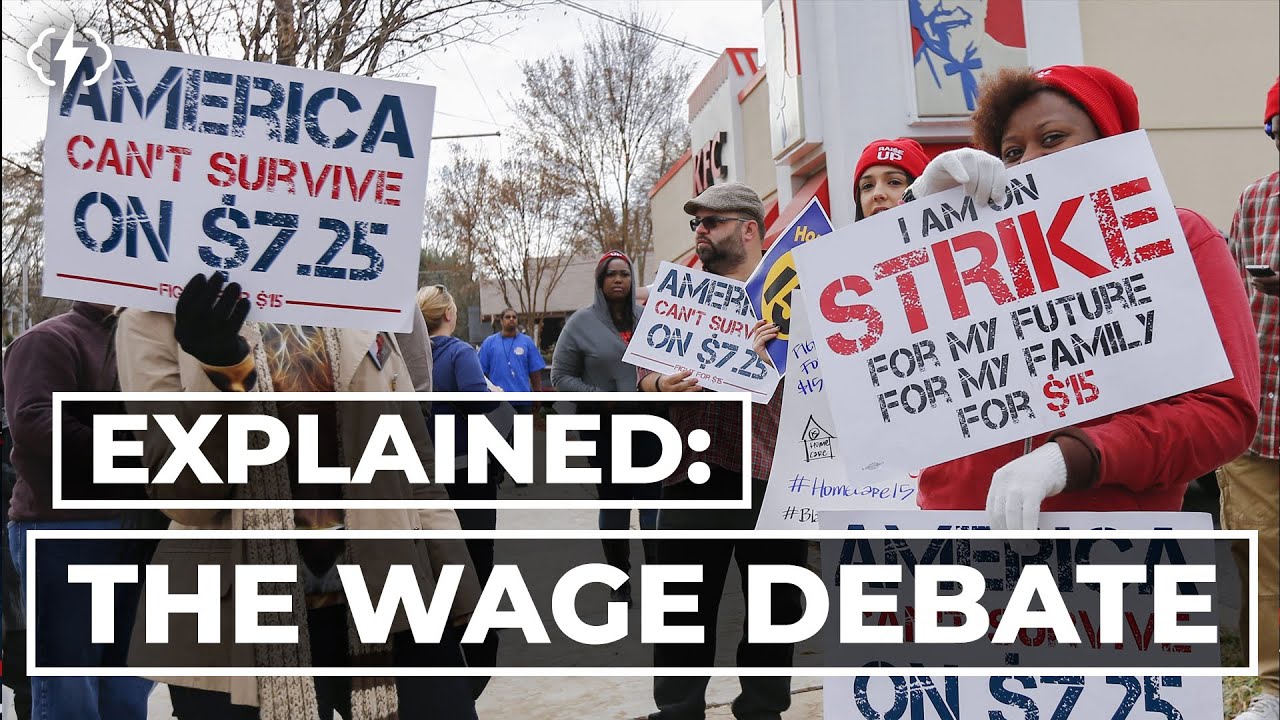
[embedyt] https://www.youtube.com/watch?v=3G3OmCMc1H4[/embedyt] The video transcript presents an in-depth historical and economic analysis of the minimum wage in the United States, its origins, evolution, and contemporary challenges. It begins by addressing common misconceptions about minimum wage laws, such as the belief that raising the minimum wage necessarily leads to job loss or economic downturn. It then
-
[embedyt] https://www.youtube.com/watch?v=hL5VOorY9pw[/embedyt] The video presents a comprehensive analysis of the U.S. federal minimum wage debate, exploring historical context, economic realities, common objections, and societal implications. It begins by outlining the origins of minimum wage legislation in the early 20th century, highlighting the exploitative conditions workers faced before laws like the Fair Labor Standards Act of
-
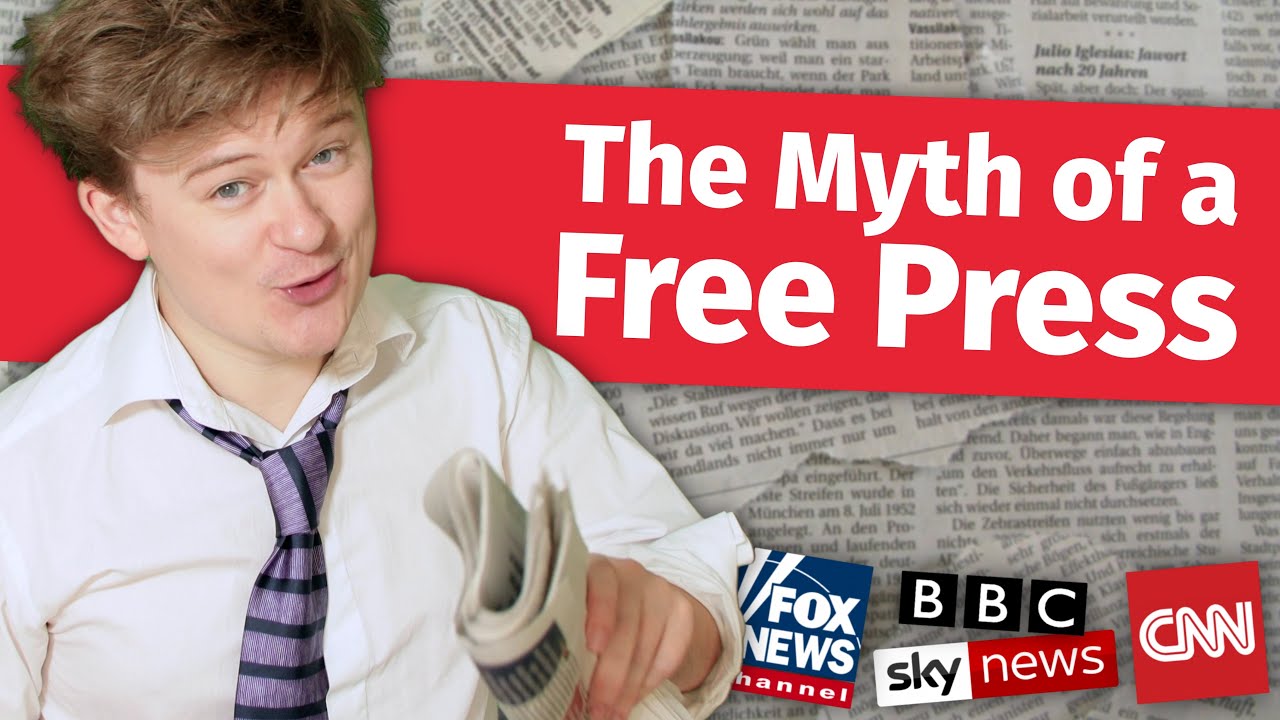
[embedyt] https://www.youtube.com/watch?v=v-8t0EfLzQo[/embedyt] The video transcript provides a comprehensive analysis of media bias, focusing on how mainstream media in Western capitalist democracies, particularly the UK and the US, do not merely report events neutrally but actively shape the interpretation and meaning of those events. Using the BBC’s 2020 Newsnight report on the English Channel migrant crossings