The Myth of a Free Press: Media Bias Explained

The video transcript provides a comprehensive analysis of media bias, focusing on how mainstream media in Western capitalist democracies, particularly the UK and the US, do not merely report events neutrally but actively shape the interpretation and meaning of those events. Using the BBC’s 2020 Newsnight report on the English Channel migrant crossings as a case study, the discussion draws heavily on the works of Edward S. Herman and Noam Chomsky’s Manufacturing Consent (1988) and cultural theorist Stuart Hall’s theories of media representation. The presenter challenges the assumption that media simply reflects reality, highlighting that news reporting is inherently biased due to economic, institutional, and political influences on media organizations.

The analysis explains how the BBC report frames asylum seekers as a threat and a problem rather than as vulnerable people in need of sympathy, largely omitting voices sympathetic to migrants or critical of government policy. This framing is attributed to various factors, including the BBC’s governance structure, political pressures from the Conservative government, and selective sourcing of interviewees predominantly hostile to migrants. The video further explains Herman and Chomsky’s five “filters” of media bias—ownership, advertising, sourcing, flak, and anti-communism—and applies these to the UK context, noting that while the BBC lacks advertising pressure, it remains influenced by government control and political appointments.

The transcript also explores the concept of “worthy” versus “unworthy” victims, showing how displaced Iraqis are framed differently depending on whether their suffering aligns with UK foreign policy interests. The video concludes by emphasizing that media bias is pervasive and systemic rather than random, serving the interests of economic and political elites, and encourages viewers to critically interrogate media coverage and the meanings it constructs rather than accepting it at face value.

How Left Is The American Left…And Why Didn’t Socialism Catch On Here?

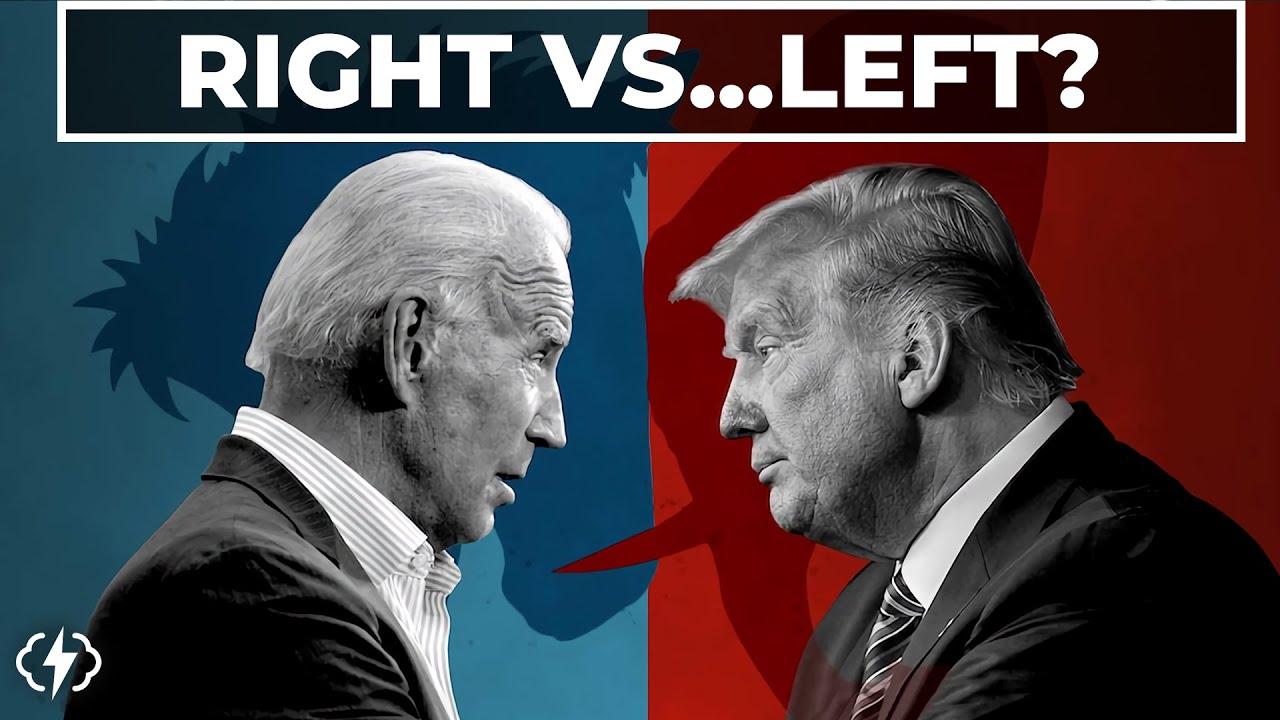
The video explores why socialism and a strong left-wing political movement have never fully taken root in the United States, especially compared to other Western countries like the UK and much of Europe. It begins by defining the American left primarily as the Democratic Party, which, despite popular belief, aligns more closely with center-right policies when compared internationally. This relative positioning arises because political labels like “left” and “right” are fluid and context-dependent rather than absolute. The video contrasts the American Democratic Party with parties in other countries, such as the British Labour Party and the Conservative Party, showing that policies considered left-wing or socialist in the U.S. are often mainstream or even center-right elsewhere.

The reasons behind the absence of a strong socialist movement in the U.S. are multifaceted. The American electoral system, characterized by first-past-the-post voting and the Electoral College, structurally inhibits third parties and reinforces a two-party system. The historical legacy of the Red Scare and anti-socialist propaganda has stigmatized leftist ideologies in American culture, associating them with un-American and even evil forces. Organizational weaknesses within American socialist movements also contributed to their lack of long-term success, as they struggled to unify support and survive in a hostile environment. Additionally, capitalism’s adaptability has constantly evolved to neutralize socialist challenges, making systemic change difficult.

Despite these challenges, the video ends on an optimistic note, encouraging viewers to believe that socialism can eventually flourish in the United States. It stresses the importance of education, activism, and resisting capitalist propaganda to prepare for a future when systemic change becomes possible, drawing inspiration from historical revolutions that seemed unlikely until they happened.

How American conservatives turned against the vaccine

The video transcript explores the complex dynamics of the COVID-19 pandemic in the United States, particularly highlighting the sharp division between vaccinated and unvaccinated populations, which maps strongly onto political affiliations. Over 900,000 Americans lost their lives during the pandemic’s first two years, but vaccination efforts beginning in spring 2021 introduced a significant divide: unvaccinated individuals faced dramatically higher death risks, especially during waves driven by the Delta and Omicron variants. Personal stories like those of Philly Baird and Phil Valentine underscore the real human cost of vaccine hesitancy and misinformation.

Crucially, the transcript reveals that vaccine hesitancy is deeply intertwined with political identity. While a majority of Republicans have received at least one vaccine dose, most unvaccinated Americans identify as Republican, which correlates with higher COVID-19 death rates in Republican-leaning states after vaccine rollout. This political polarization around COVID-19 vaccines did not exist before vaccines were available; initially, the pandemic impacted states relatively evenly.

The politicization of the virus, amplified by conflicting messages from political leaders and media outlets, created an environment where many Republicans distrusted COVID-19 severity data and vaccine information. The early pandemic period saw widespread misinformation, including false beliefs that the government exaggerated COVID-19 death counts. This skepticism hardened months before vaccines were available and before anti-vaccine content proliferated on social media and conservative news outlets like Fox News.

The transcript also highlights how media consumption shaped vaccine attitudes. Conservative audiences relied heavily on a single network and social media, which often presented contradictory or misleading vaccine messages. This polarization was exacerbated by political leaders who, despite many Republicans being vaccinated, hesitated to strongly endorse vaccines for fear of alienating their base.

Experts in the transcript argue that a unified, bipartisan public health message early on could have mitigated much of the polarization and vaccine resistance. The ongoing division poses risks beyond COVID-19, as declining trust in vaccines could spill over into other immunizations, threatening broader public health outcomes.

Homelessness: Last Week Tonight with John Oliver

The video transcript presents an in-depth exploration of homelessness in the United States, emphasizing the lived realities of unhoused individuals and the systemic failures that perpetuate the crisis. It critiques the often alarmist and dehumanizing portrayal of homeless people in media and public discourse, highlighting how such narratives focus disproportionately on the discomfort or fears of housed residents rather than the urgent needs of the homeless community themselves. The discussion traces the roots of modern homelessness back to policy decisions from the Reagan era, which drastically cut funding for affordable housing and social programs, thereby exacerbating the problem.

The transcript dismantles common misconceptions that homelessness is primarily caused by personal failings such as addiction or mental illness, instead framing it as a multifaceted issue driven by economic pressures, housing shortages, and insufficient social safety nets. It provides personal stories illustrating how easily stable housing can be lost due to rent hikes or job loss, and how shelters often fail to provide a dignified or effective solution.

The video advocates for the “Housing First” model, which prioritizes providing permanent housing as a foundation before addressing other issues like substance abuse or employment. This approach has shown measurable success in reducing veteran homelessness and is argued to be more cost-effective than current cycles of incarceration and emergency care. However, the transcript also underscores significant obstacles to this solution, particularly the “Not In My Backyard” (NIMBY) attitude among many communities, which resists affordable housing developments near them due to stigma and fear.

Ultimately, the video calls for a shift in public perception—from viewing homelessness as a personal choice or moral failing to recognizing it as a systemic issue needing compassionate, structural solutions. It stresses that real progress requires both policy change and a collective change in attitudes towards the unhoused, urging viewers to reject stereotypes and support humane housing initiatives.

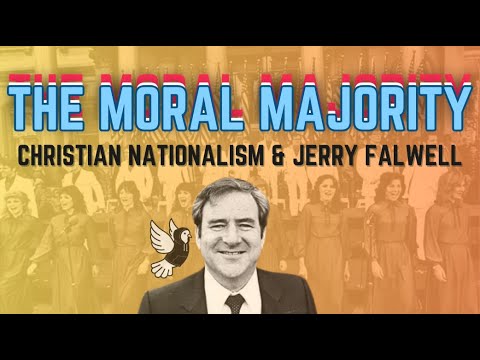
The Moral Majority: How Evangelicals Took Over American Politics

Summary

The video explores the origins, rise, and lasting impact of the Moral Majority, a conservative Christian political movement founded in the late 1970s by Reverend Jerry Falwell. It traces how the Moral Majority emerged as a reaction to the social and cultural upheavals of the 1960s and 70s, including the civil rights movement, feminism, LGBTQ+ visibility, and secularism, which many conservative Christians viewed as a moral decline. Falwell and his associates recognized the untapped political potential of evangelical Christians, many of whom were not politically active, and sought to organize them into a powerful voting bloc to restore what they saw as traditional Christian values in America.

The Moral Majority was not merely a loose coalition of religious conservatives but a highly organized, strategic political force that mobilized millions of voters, built extensive grassroots networks, and leveraged media and lobbying to influence elections and public policy. It championed causes such as opposition to abortion, feminism, gay rights, secular education, pornography, and the promotion of school prayer and creationism. The movement aligned itself closely with the Republican Party and played a significant role in the election of Ronald Reagan in 1980.

The video highlights how the Moral Majority blurred the lines between religion and politics, transforming Christian faith into a political identity tied to conservative ideology. This fusion pressured individuals within evangelical communities to conform politically as a demonstration of faith, often equating political dissent with spiritual betrayal. Their strategy heavily relied on fear-mongering about moral decay, which created a culture of anxiety, suspicion, and exclusion.

Additionally, the Moral Majority’s tax-exempt nonprofit status allowed it to raise large sums of money while engaging in politically charged activities, raising ethical and legal questions about the separation of church and state. Despite disbanding in 1989 as an organization, its ideals, rhetoric, and political influence persist today in new forms and groups, such as Focus on the Family and Moms for Liberty. The video argues that current culture wars, political rhetoric, and Christian nationalist movements are direct continuations of the Moral Majority’s legacy, merely updated for today’s digital and social media landscape.

The video concludes by emphasizing the importance of understanding the Moral Majority’s history to grasp the present-day interplay of religion and politics in the United States and invites viewers to reflect on how this legacy shapes American political and cultural life.

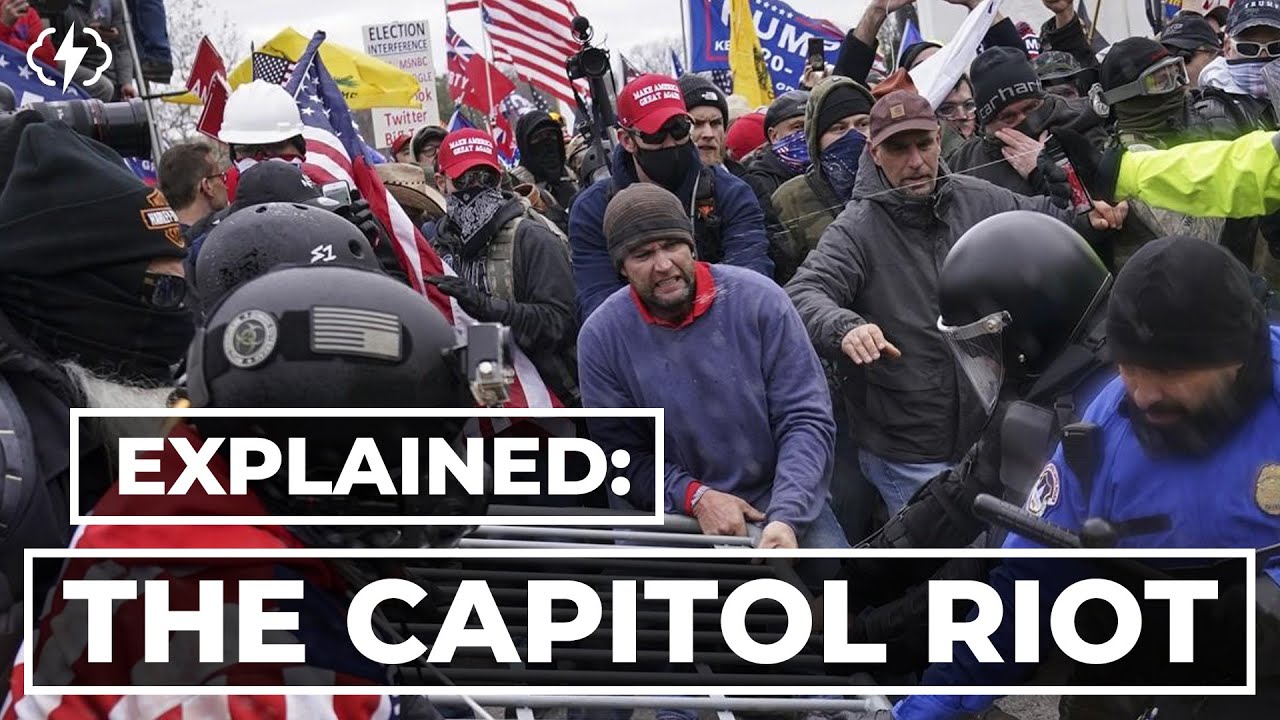
The Capitol Riot Explained

The video provides a comprehensive, nuanced analysis of the January 6, 2021 Capitol riot, dissecting what happened, who participated, why it occurred, and its broader implications for American politics and society. It starts by debunking false narratives, such as the claim that Antifa orchestrated the riot, and clarifies the correct use of the term “fascism,” emphasizing that true fascism involves violent ultranationalism and not just authoritarian tendencies. The video details the chaotic events of the day: thousands of Trump supporters, motivated by the false “stop the steal” slogan, stormed the Capitol building, disrupting the certification of Joe Biden’s electoral victory. While much of the crowd appeared aimless, some had violent intentions, including kidnapping and harming politicians.

The video then profiles the participants, revealing a diverse but disturbing mix that included wealthy elites, QAnon cultists, white supremacists, neo-Nazis, off-duty police officers, military personnel, and Republican elected officials. It highlights the irony of Confederate flags being displayed as a symbol of patriotism and exposes the deep infiltration of extremist ideologies within Trump’s base. The discussion moves to the motivations behind the riot, concluding that the event lacked cohesive planning or meaningful demands beyond retaining Trump’s presidency, a goal that would bring no material benefit to most rioters.

The aftermath is dissected critically, showing how the government’s response—social media crackdowns, expanded surveillance, anti-terror legislation, and no-fly lists—raises serious concerns about civil liberties and the potential misuse of power against political dissent. The video warns that such measures will likely be more harmful to left-wing activists than to right-wing extremists. The proposed second impeachment of Trump is seen as symbolic but insufficient to address the systemic issues within the Republican Party, which the video argues has become a reactionary, white supremacist, and authoritarian force.

Finally, the video addresses the broader political landscape, rejecting calls for a “strong Republican Party” and instead advocating for a genuine left-wing alternative. It stresses that the riot was a misguided and counterproductive expression of political frustration, lacking clear goals that could improve people’s lives, unlike uprisings elsewhere motivated by demands for meaningful reform. The video closes by cautioning that America faces a dangerous future marked by increased division, authoritarianism, and a broken political system unable to address real social and economic needs.

Socialism for Absolute Beginners

This video explores the meaning of socialism, addressing common misconceptions and contextualizing socialism within historical and modern economic frameworks. It begins by acknowledging the growing interest in socialism among American millennials and the prevalent negative perceptions of the term. The presenter emphasizes that socialism fundamentally revolves around maximizing freedom for all people by ensuring rights such as education, healthcare, housing, and democratic participation, not just in theory but in practice.

The video contrasts socialism with previous economic systems, particularly feudalism and capitalism. Feudalism restricted freedom to a small noble class, with most people living under coercive control. Capitalism expanded freedom to more people by creating a class of free merchants and employers but maintained significant power imbalances between employers and workers. Today’s capitalism, while historically improving living standards, is increasingly failing many workers, as wealth is concentrated among a few while wages stagnate and economic security erodes.

Socialists argue that the problem lies in who owns and controls productive enterprises. Under capitalism, a few owners prioritize profit, often at the expense of workers’ wages and conditions. Socialism proposes collective, democratic ownership and decision-making, so that everyone affected by economic decisions has a voice. This approach aims to preserve capitalism’s benefits, like innovation and rising living standards, while eliminating exploitation and inequality.

The video also tackles misconceptions about socialism equating to government control or inefficiency, explaining that socialism means democratic control over production, which may or may not involve government structures. It highlights how current governments are shaped by capitalist interests and often fail ordinary people, and contrasts this with socialist goals of genuine democracy and equitable resource distribution.

Historical socialist experiments, such as Salvador Allende’s Chile, are examined to demonstrate that socialist policies can improve living conditions, though they have faced severe opposition, particularly from capitalist powers like the United States. The video acknowledges the challenges socialism faces in practice, including hostile global capitalism and geopolitical interference, but encourages imagining and working toward a better future. It concludes by inviting viewers to reconsider socialism beyond stereotypes and to engage in conversations about viable economic alternatives.