Virginia became the 10th state on June 25, 1788.
Its civic profile includes Jamestown, the founding era, slavery, the Civil War, federal employment, ports, military communities, farms, universities, Northern Virginia suburbs, and Appalachian counties. Public decisions about schools, transportation, housing, public safety, water, health care, and economic development often reflect the state’s long history and sharp regional contrasts. Readers looking for Virginia’s current representatives, state leadership, or official government resources will find direct links below.
Thus always to tyrants
State Motto
Virginia's voice in Congress.
Every state has two senators. Its number of representatives is set by population and can change after each census.
Virginia's Delegation
Choose a member to see their contact information, congressional work, and committee assignments.

Mark Warner
Party: Democrat
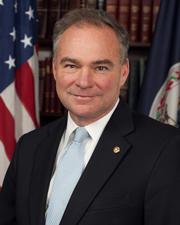
Tim Kaine
Party: Democrat

Robert Wittman
Party: Republican
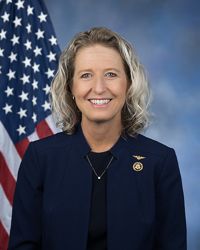
Jennifer Kiggans
Party: Republican
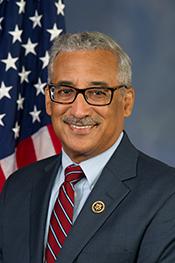
Robert "Bobby" Scott
Party: Democrat
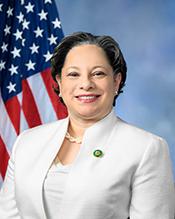
Jennifer McClellan
Party: Democrat

John McGuire
Party: Republican

Ben Cline
Party: Republican

Eugene Simon Vindman
Party: Democrat
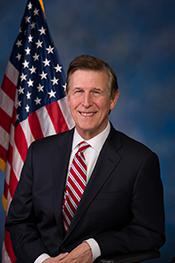
Donald Beyer
Party: Democrat
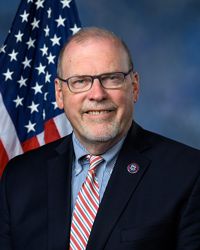
H. Morgan Griffith
Party: Republican
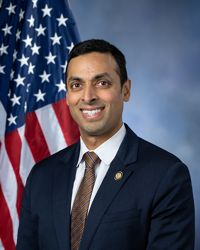
Suhas Subramanyam
Party: Democrat

James Walkinshaw
Party: Democrat
The states are the laboratories of democracy.
Justice Louis BrandeisState Leadership
Governor
Abigail Spanberger (Democratic)
Lieutenant Governor
Ghazala Hashmi (Democratic)
Quick Facts
Capital
Richmond
Population
Approximately 8.88 million
Electoral votes
13
Congressional districts
11
Official Links
Use these sources to check current state records, filings, elections, and public notices.