South Carolina became the 8th state on May 23, 1788.
Its civic profile is shaped by the Lowcountry, Midlands, Upstate, coastal history, agriculture, ports, tourism, military installations, manufacturing, universities, and civil-rights history. Public decisions about schools, roads, flooding, health care, workforce development, housing, and growth can look different in Charleston, Columbia, Greenville, rural counties, and coastal communities. Below this context sit the practical tools: South Carolina’s delegation, state government, and where to verify both.
While I breathe, I hope / Prepared in mind and resources
State Motto
South Carolina's voice in Congress.
Every state has two senators. Its number of representatives is set by population and can change after each census.
South Carolina's Delegation
Choose a member to see their contact information, congressional work, and committee assignments.
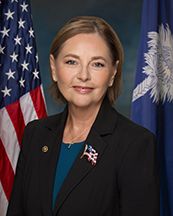
Darline Graham
Party: Republican

Tim Scott
Party: Republican
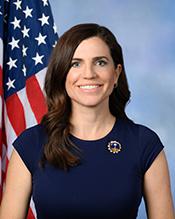
Nancy Mace
Party: Republican
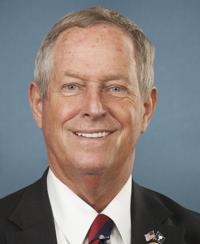
Joe Wilson
Party: Republican
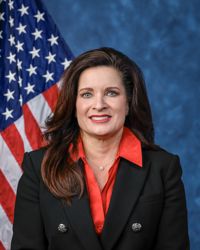
Sheri Biggs
Party: Republican
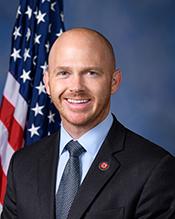
William Timmons
Party: Republican
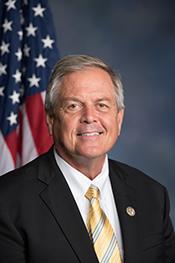
Ralph Norman
Party: Republican

James Clyburn
Party: Democrat
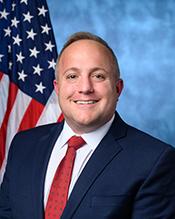
Russell Fry
Party: Republican
The states are the laboratories of democracy.
Justice Louis BrandeisState Leadership
Governor
Henry McMaster (Republican)
Lieutenant Governor
Pamela Evette (Republican)
Quick Facts
Capital
Columbia
Population
Approximately 5.57 million
Electoral votes
9
Congressional districts
7
Official Links
Use these sources to check current state records, filings, elections, and public notices.