Oklahoma became the 46th state on November 16, 1907.
Its civic profile reflects tribal nations, the history of Indian Territory, energy, agriculture, severe weather, military installations, Route 66 communities, universities, and growing metropolitan areas. Public decisions about sovereignty, schools, health care, courts, water, infrastructure, and emergency management often involve both state and tribal governments. The sections ahead move from Oklahoma’s civic backdrop to its actual representatives and government contacts.
Labor conquers all things
State Motto
Oklahoma's voice in Congress.
Every state has two senators. Its number of representatives is set by population and can change after each census.
Oklahoma's Delegation
Choose a member to see their contact information, congressional work, and committee assignments.
Alan Armstrong
Party: Republican
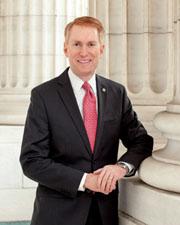
James Lankford
Party: Republican
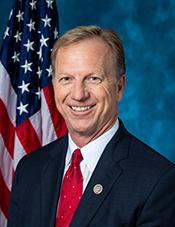
Kevin Hern
Party: Republican
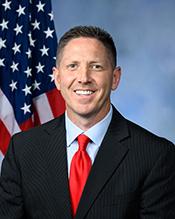
Josh Brecheen
Party: Republican
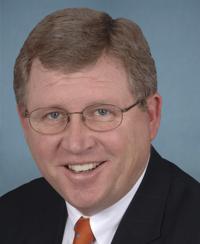
Frank Lucas
Party: Republican
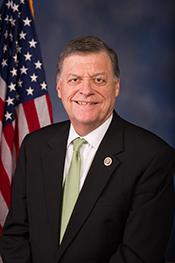
Tom Cole
Party: Republican
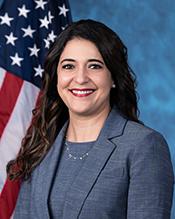
Stephanie Bice
Party: Republican
The states are the laboratories of democracy.
Justice Louis BrandeisState Leadership
Governor
Kevin Stitt (Republican)
Lieutenant Governor
Matt Pinnell (Republican)
Quick Facts
Capital
Oklahoma City
Population
Approximately 4.12 million
Electoral votes
7
Congressional districts
5
Official Links
Use these sources to check current state records, filings, elections, and public notices.