Ohio became the 17th state on March 1, 1803.
Its civic life includes Great Lakes and river cities, manufacturing, agriculture, universities, suburbs, Appalachian communities, transportation networks, and a long role in national politics. Public decisions about schools, jobs, health care, roads, courts, energy, water quality, and local government finance often connect older industrial questions with newer regional growth patterns. The tools below connect that context to something usable: Ohio’s current representatives and the official channels for tracking state decisions.
With God, All Things Are Possible
State Motto
Ohio's voice in Congress.
Every state has two senators. Its number of representatives is set by population and can change after each census.
Ohio's Delegation
Choose a member to see their contact information, congressional work, and committee assignments.
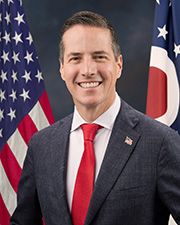
Bernie Moreno
Party: Republican
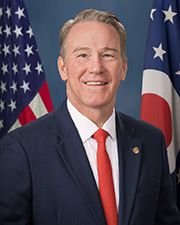
Jon Husted
Party: Republican
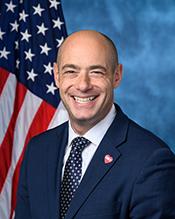
Greg Landsman
Party: Democrat
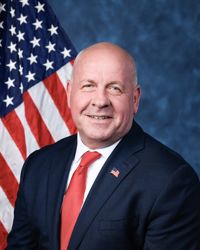
David Taylor
Party: Republican
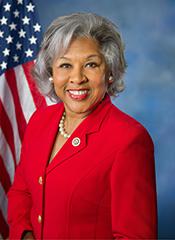
Joyce Beatty
Party: Democrat
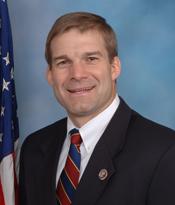
Jim Jordan
Party: Republican
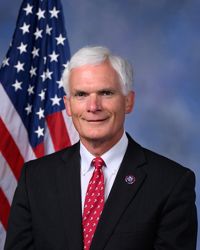
Robert Latta
Party: Republican
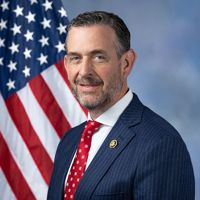
Michael Rulli
Party: Republican
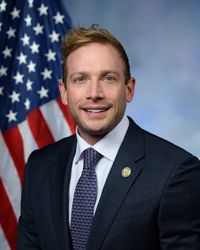
Max Miller
Party: Republican
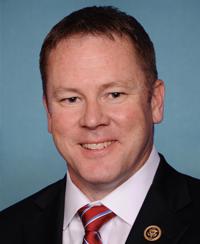
Warren Davidson
Party: Republican
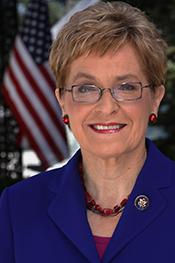
Marcy Kaptur
Party: Democrat
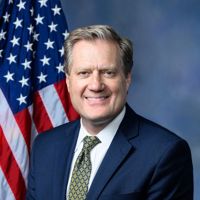
Michael Turner
Party: Republican
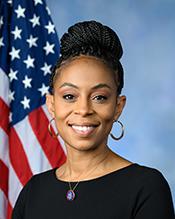
Shontel Brown
Party: Democrat
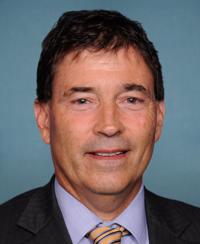
Troy Balderson
Party: Republican
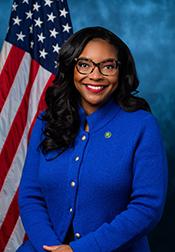
Emilia Strong Sykes
Party: Democrat
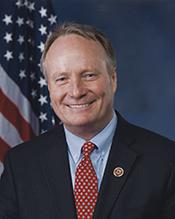
David Joyce
Party: Republican
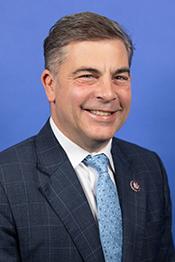
Mike Carey
Party: Republican
The states are the laboratories of democracy.
Justice Louis BrandeisState Leadership
Governor
Mike DeWine (Republican)
Lieutenant Governor
Jim Tressel (Republican)
Quick Facts
Capital
Columbus
Population
Approximately 11.90 million
Electoral votes
17
Congressional districts
15
Official Links
Use these sources to check current state records, filings, elections, and public notices.