Nevada became the 36th state on October 31, 1864.
Its civic profile is shaped by mining, gaming and tourism, public lands, military facilities, tribal nations, renewable energy, water scarcity, and rapid growth around Las Vegas and Reno. Public decisions about housing, schools, transportation, water, land use, and economic diversification often carry immediate consequences in fast-growing communities and remote counties alike. Nevada’s congressional delegation and state government structure follow below, along with links to verify anything firsthand.
All For Our Country
State Motto
Nevada's voice in Congress.
Every state has two senators. Its number of representatives is set by population and can change after each census.
Nevada's Delegation
Choose a member to see their contact information, congressional work, and committee assignments.
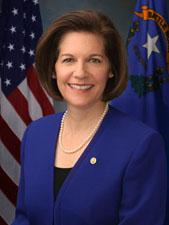
Catherine Cortez Masto
Party: Democrat
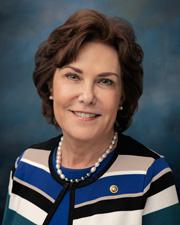
Jacky Rosen
Party: Democrat

Dina Titus
Party: Democrat
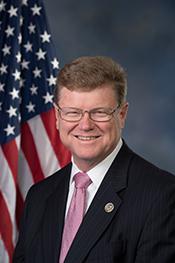
Mark Amodei
Party: Republican
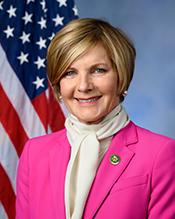
Susie Lee
Party: Democrat
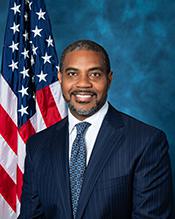
Steven Horsford
Party: Democrat
The states are the laboratories of democracy.
Justice Louis BrandeisState Leadership
Governor
Joe Lombardo (Republican)
Lieutenant Governor
Stavros Anthony (Republican)
Quick Facts
Capital
Carson City
Population
Approximately 3.28 million
Electoral votes
6
Congressional districts
4
Official Links
Use these sources to check current state records, filings, elections, and public notices.