Michigan became the 26th state on January 26, 1837.
Its civic life is shaped by the Great Lakes, Detroit, automobile manufacturing, labor history, agriculture, tourism, tribal nations, college towns, and communities still working through industrial change. Public decisions about water, roads, schools, energy, public health, emergency management, and economic renewal can carry heavy local consequences. The sections below connect directly to Michigan’s representatives, key state offices, and the primary sources for verifying what’s actually happening in government.
If you seek a pleasant peninsula, look about you
State Motto
Michigan's voice in Congress.
Every state has two senators. Its number of representatives is set by population and can change after each census.
Michigan's Delegation
Choose a member to see their contact information, congressional work, and committee assignments.
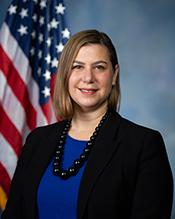
Elissa Slotkin
Party: Democrat
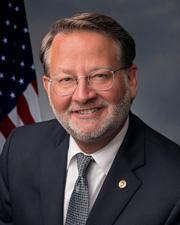
Gary Peters
Party: Democrat
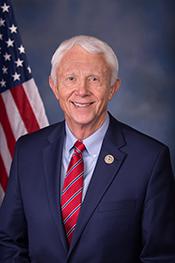
Jack Bergman
Party: Republican
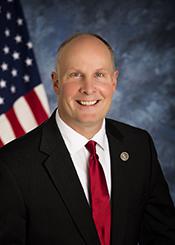
John Moolenaar
Party: Republican
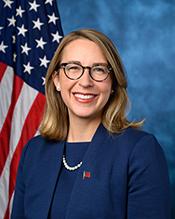
Hillary Scholten
Party: Democrat
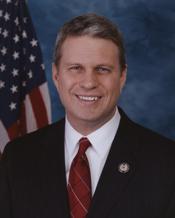
Bill Huizenga
Party: Republican

Tim Walberg
Party: Republican

Debbie Dingell
Party: Democrat

Tom Barrett
Party: Republican
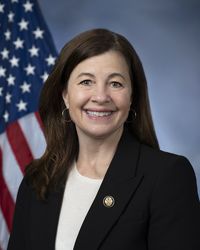
Kristen McDonald Rivet
Party: Democrat
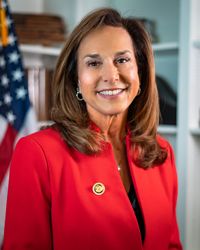
Lisa McClain
Party: Republican
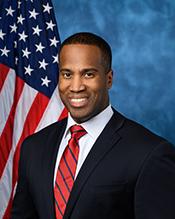
John James
Party: Republican
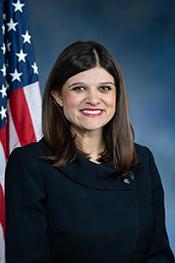
Haley Stevens
Party: Democrat
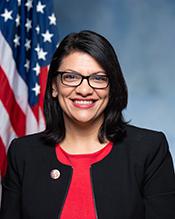
Rashida Tlaib
Party: Democrat
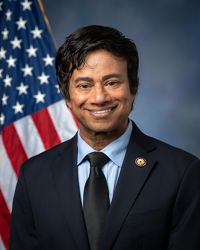
Shri Thanedar
Party: Democrat
The states are the laboratories of democracy.
Justice Louis BrandeisState Leadership
Governor
Gretchen Whitmer (Democratic)
Lieutenant Governor
Garlin Gilchrist II (Democratic)
Quick Facts
Capital
Lansing
Population
Approximately 10.13 million
Electoral votes
15
Congressional districts
13
Official Links
Use these sources to check current state records, filings, elections, and public notices.