Louisiana became the 18th state on April 30, 1812.
Its civic life reflects French, Spanish, African, Caribbean, Native, and American influences, but also the practical demands of the Mississippi River, ports, energy, wetlands, hurricanes, parish government, and coastal loss. Public decisions about flood protection, schools, criminal justice, health care, insurance, infrastructure, and environmental risk often have immediate consequences for communities. Louisiana’s representatives and state government resources are laid out below, each linked to its official source.
Union, Justice, and Confidence
State Motto
Louisiana's voice in Congress.
Every state has two senators. Its number of representatives is set by population and can change after each census.
Louisiana's Delegation
Choose a member to see their contact information, congressional work, and committee assignments.

Bill Cassidy
Party: Republican

John Kennedy
Party: Republican

Steve Scalise
Party: Republican
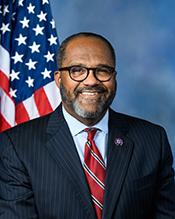
Troy Carter
Party: Democrat

Clay Higgins
Party: Republican

Mike Johnson
Party: Republican

Julia Letlow
Party: Republican
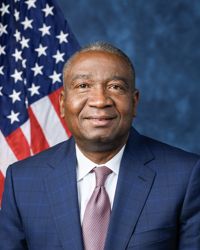
Cleo Fields
Party: Democrat
The states are the laboratories of democracy.
Justice Louis BrandeisState Leadership
Governor
Jeff Landry (Republican)
Lieutenant Governor
Billy Nungesser (Republican)
Quick Facts
Capital
Baton Rouge
Population
Approximately 4.62 million
Electoral votes
8
Congressional districts
6
Official Links
Use these sources to check current state records, filings, elections, and public notices.