Indiana became the 19th state on December 11, 1816.
Its civic life is grounded in manufacturing, agriculture, logistics, higher education, small cities, Indianapolis, and communities shaped by roads, schools, hospitals, and workforce decisions. Public questions often involve infrastructure, local government finance, industrial change, education, health care access, and the balance between rural counties and metropolitan growth. From this history, the page turns practical: Indiana’s representatives, its state government, and the sources to verify each.
The Crossroads of America
State Motto
Indiana's voice in Congress.
Every state has two senators. Its number of representatives is set by population and can change after each census.
Indiana's Delegation
Choose a member to see their contact information, congressional work, and committee assignments.
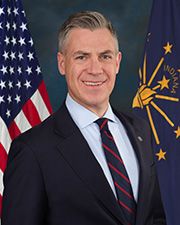
Jim Banks
Party: Republican

Todd Young
Party: Republican

Frank Mrvan
Party: Democrat

Rudy Yakym
Party: Republican
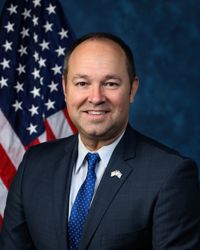
Marlin Stutzman
Party: Republican
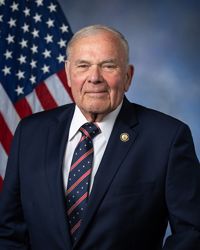
James Baird
Party: Republican

Victoria Spartz
Party: Republican

Jefferson Shreve
Party: Republican
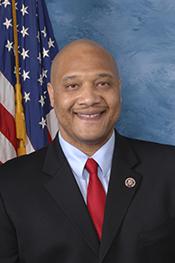
André Carson
Party: Democrat
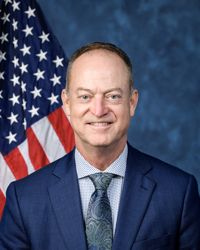
Mark Messmer
Party: Republican

Erin Houchin
Party: Republican
The states are the laboratories of democracy.
Justice Louis BrandeisState Leadership
Governor
Mike Braun (Republican)
Lieutenant Governor
Micah Beckwith (Republican)
Quick Facts
Capital
Indianapolis
Population
Approximately 6.97 million
Electoral votes
11
Congressional districts
9
Official Links
Use these sources to check current state records, filings, elections, and public notices.