Illinois became the 21st state on December 3, 1818.
Civic life here often turns on the relationship between Chicago, suburban counties, downstate cities, farm communities, manufacturing regions, universities, and transportation corridors that connect the Midwest. Public decisions about budgets, pensions, schools, transit, public safety, health care, and economic development can look very different across those regions. Everything below moves from that context into specifics: who represents Illinois, how its state government is organized, and where to check the record directly.
State Sovereignty, National Union
State Motto
Illinois's voice in Congress.
Every state has two senators. Its number of representatives is set by population and can change after each census.
Illinois's Delegation
Choose a member to see their contact information, congressional work, and committee assignments.
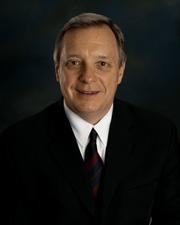
Richard Durbin
Party: Democrat
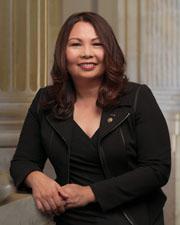
Tammy Duckworth
Party: Democrat
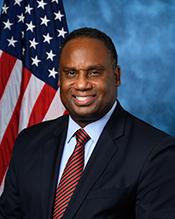
Jonathan Jackson
Party: Democrat
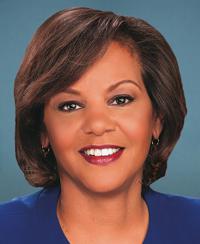
Robin Kelly
Party: Democrat
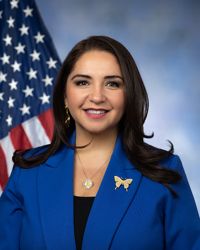
Delia Ramirez
Party: Democrat
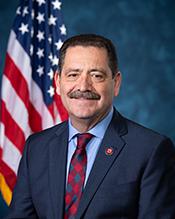
Jesús "Chuy" García
Party: Democrat
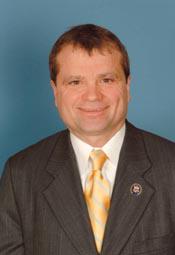
Mike Quigley
Party: Democrat
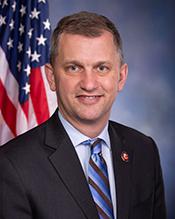
Sean Casten
Party: Democrat
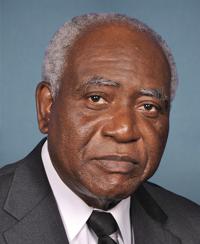
Danny Davis
Party: Democrat
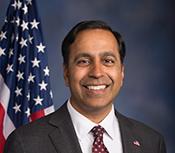
Raja Krishnamoorthi
Party: Democrat
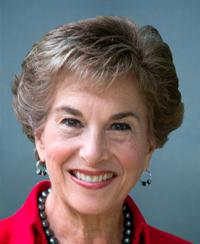
Janice Schakowsky
Party: Democrat
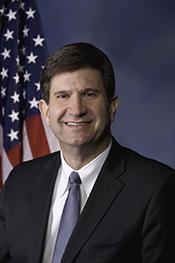
Bradley Scott Schneider
Party: Democrat
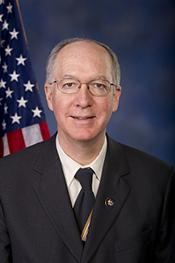
Bill Foster
Party: Democrat
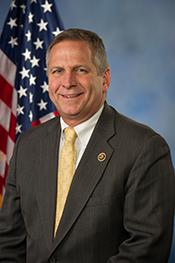
Mike Bost
Party: Republican
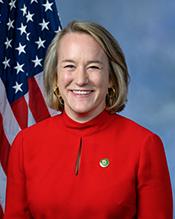
Nikki Budzinski
Party: Democrat
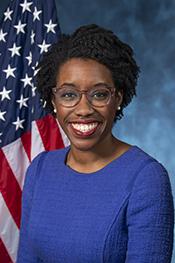
Lauren Underwood
Party: Democrat
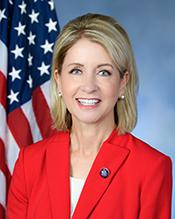
Mary Miller
Party: Republican
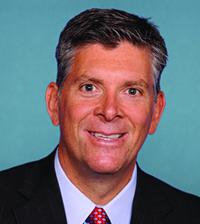
Darin LaHood
Party: Republican
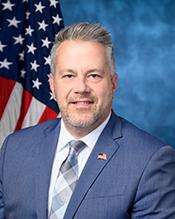
Eric Sorensen
Party: Democrat
The states are the laboratories of democracy.
Justice Louis BrandeisState Leadership
Governor
J.B. Pritzker (Democratic)
Lieutenant Governor
Juliana Stratton (Democratic)
Quick Facts
Capital
Springfield
Population
Approximately 12.72 million
Electoral votes
19
Congressional districts
17
Official Links
Use these sources to check current state records, filings, elections, and public notices.