Arizona became the 48th state on February 14, 1912.
Its civic profile starts with a basic tension: fast-growing communities share a desert landscape where water, land, housing, transportation, border policy, tribal sovereignty, and infrastructure decisions carry long-term consequences. Phoenix and Tucson anchor much of the state’s public life, but Native nations, border communities, mining regions, rural counties, and retirement communities all shape the political map. From here, readers can move straight to Arizona’s federal delegation, statehouse leadership, and the public records behind any claim made about state policy.
God enriches
State Motto
Arizona's voice in Congress.
Every state has two senators. Its number of representatives is set by population and can change after each census.
Arizona's Delegation
Choose a member to see their contact information, congressional work, and committee assignments.

Mark Kelly
Party: Democrat
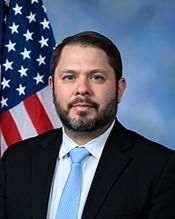
Ruben Gallego
Party: Democrat
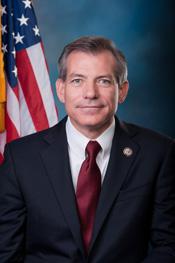
David Schweikert
Party: Republican
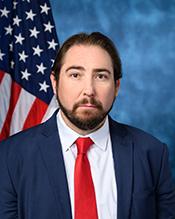
Elijah Crane
Party: Republican
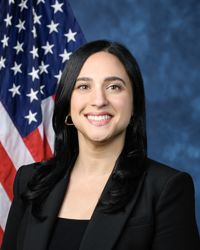
Yassamin Ansari
Party: Democrat
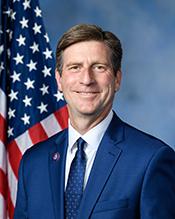
Greg Stanton
Party: Democrat

Andy Biggs
Party: Republican
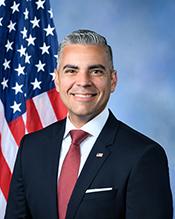
Juan Ciscomani
Party: Republican
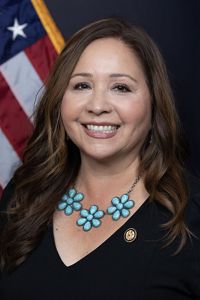
Adelita Grijalva
Party: Democrat
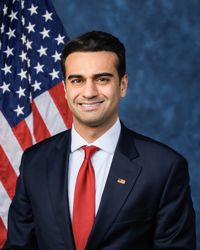
Abraham Hamadeh
Party: Republican
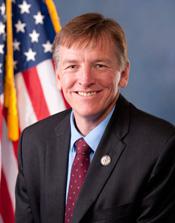
Paul Gosar
Party: Republican
The states are the laboratories of democracy.
Justice Louis BrandeisState Leadership
Governor
Katie Hobbs (Democratic)
Quick Facts
Capital
Phoenix
Population
Approximately 7.62 million
Electoral votes
11
Congressional districts
9
Official Links
Use these sources to check current state records, filings, elections, and public notices.