Alabama became the 22nd state on December 14, 1819.
This profile treats Alabama as a working civic system, not just a map label: a state shaped by the Black Belt, the Tennessee Valley, the Gulf Coast, military installations, aerospace work, agriculture, universities, and the long shadow of the civil-rights movement. Public decisions here often connect history with everyday questions about schools, health care, infrastructure, voting access, disaster recovery, and economic opportunity. Start here to find Alabama’s congressional delegation, state government structure, and the official channels for tracking public decisions.
We dare defend our rights
State Motto
Alabama's voice in Congress.
Every state has two senators. Its number of representatives is set by population and can change after each census.
Alabama's Delegation
Choose a member to see their contact information, congressional work, and committee assignments.
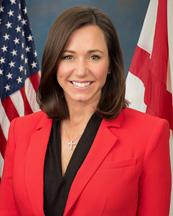
Katie Boyd Britt
Party: Republican
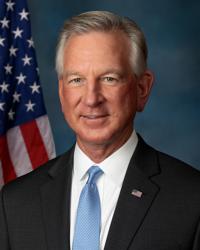
Tommy Tuberville
Party: Republican

Barry Moore
Party: Republican
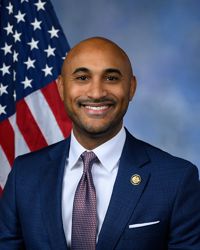
Shomari Figures
Party: Democrat
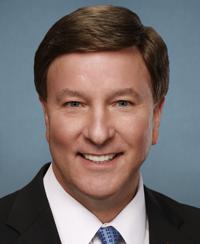
Mike Rogers
Party: Republican

Robert Aderholt
Party: Republican
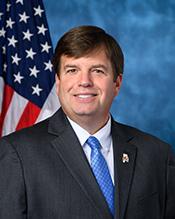
Dale Strong
Party: Republican

Gary Palmer
Party: Republican

Terri Sewell
Party: Democrat
The states are the laboratories of democracy.
Justice Louis BrandeisState Leadership
Governor
Kay Ivey (Republican)
Lieutenant Governor
Will Ainsworth (Republican)
Quick Facts
Capital
Montgomery
Population
Approximately 5.19 million
Electoral votes
9
Congressional districts
7
Official Links
Use these sources to check current state records, filings, elections, and public notices.