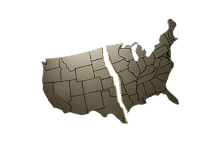

Understand why Americans govern through elected representatives inside a federal constitutional system.
Why the United States uses elected representatives, constitutional limits, and federal/state power instead of deciding every public issue by direct national vote.
Government works best when people can see how power is used and where decisions are made.
What The Phrase Means
A federal republic is a system in which the people govern through elected representatives, while power is divided between the national government and the states. The Constitution creates federal institutions, assigns powers, limits government action, and protects rights.
Republic, Not Direct Democracy
Americans do not vote directly on every federal law, budget, appointment, regulation, or court decision. They elect representatives and executives, who then act through institutions that have rules, procedures, records, elections, and legal limits.
Federal, Not One Central Government
The national government handles powers such as foreign affairs, federal taxes, interstate commerce, immigration, and national defense. States handle many areas of daily life, including state courts, schools, local elections, licensing, and state public services.
How To Use This Idea
When a public problem appears, ask which level of government has authority, which branch is acting, and which official source records the decision. That simple map helps visitors avoid sending questions to the wrong office.
Why It Matters
The federal republic explains why Congress writes laws, the President carries them out, courts decide cases, states keep major powers, and citizens often need to follow more than one institution to understand a public issue.
Why the phrase matters
A federal republic divides public authority in two ways. Federalism divides authority between national and state governments. A republic means public power is exercised through elected representatives and constitutional offices rather than direct rule by every voter on every question. The design can slow decisions, but it also creates multiple places where citizens can act: city hall, a state capitol, Congress, courts, agencies, elections, and public meetings.
How to use the idea
When a public problem appears stuck, ask which level of government has authority, which office can act, and which process applies. A school board, state agency, governor, Congress, federal agency, or court may all matter for different parts of the same issue.
How to use this page
Use What Is a Federal Republic? without getting lost.
A federal republic divides power by institution and level, so visitors should ask which people, offices, and laws control the decision.
Official starting points
Use these sources to check current text, records, deadlines, forms, votes, rules, or public notices.
Quick Link Guide
One-click access to other sections of the government education guide.
Guide To Government
Start with branches, powers, checks, records, and practical resources.
Congress
Lawmaking, representation, committees, and oversight.
Executive Branch
Presidency, agencies, and presidential actions.
Judicial Branch
Courts, cases, and court resources.
Federal Budget
Revenue, spending, deficits, debt, and shutdowns.
Elections
Voting, participation, and official election resources.
Government Resources
Official public service and self-help resources.
Glossary
Definitions, tooltips, and related pages.