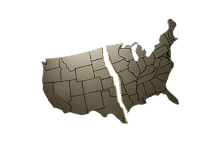
How Impeachment Works
![]()
Understand impeachment as a constitutional charge, a Senate trial, and a public accountability process.
Impeachment is not the same as removal. The House impeaches by approving charges. The Senate then decides whether to convict and remove the official.
“No point is of more importance than that the right of impeachment should be continued.”
The basic path
The Constitution gives the House the sole power of impeachment and the Senate the sole power to try impeachments. Presidents, vice presidents, civil officers, and federal judges can be impeached for treason, bribery, or other high crimes and misdemeanors.
Inquiry
Committees investigate facts, gather records, hear testimony, and decide whether charges should be drafted.
Articles
Articles of impeachment state the charges the House is being asked to approve.
House vote
A majority vote in the House impeaches, which is similar to bringing a formal charge.
Senate trial
The Senate holds a trial. Conviction and removal require a two-thirds vote of senators present.
What impeachment can and cannot do
Impeachment is a constitutional remedy for public office, not an ordinary criminal trial. A person removed through impeachment may still face criminal or civil proceedings separately, but impeachment itself decides whether the person should remain in office and whether future federal office should be barred.
Charges begin here
The House decides whether alleged conduct is serious enough to impeach.
Trial and judgment
The Senate hears the impeachment trial and votes on conviction, removal, and possible disqualification.
Separate legal process
Criminal or civil accountability, if any, happens outside the impeachment judgment.
Where to verify impeachment records
Impeachment debates create a public record: committee reports, articles, floor votes, Senate trial materials, exhibits, transcripts, and official congressional history.
Congress.gov →
Search impeachment resolutions, articles, actions, and votes.
House Clerk →
Find House votes and official House records.
Senate.gov →
Find Senate trial materials, history, rules, and votes.
Presidential Succession →
Learn what happens when an office becomes vacant or a President cannot serve.
How to use this page
Use How Impeachment Works without getting lost.

Impeachment is a constitutional process with separate House and Senate roles, and it is different from ordinary criminal prosecution.
Official starting points
Use these sources to check current text, records, deadlines, forms, votes, rules, or public notices.
Quick Link Guide
One-click access to other sections of the government education guide.
Guide To Government
Start with branches, powers, checks, records, and practical resources.
Congress
Lawmaking, representation, committees, and oversight.
Executive Branch
Presidency, agencies, and presidential actions.
Judicial Branch
Courts, cases, and court resources.
Federal Budget
Revenue, spending, deficits, debt, and shutdowns.
Elections
Voting, participation, and official election resources.
Government Resources
Official public service and self-help resources.
Glossary
Definitions, tooltips, and related pages.