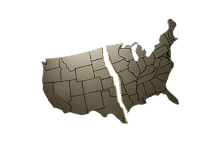

Understand Federalism: State vs. Federal in plain language, where the authority comes from, and how to find official records or next steps.
Which powers belong to the federal government, the states, or both at the same time.
Government works best when people can see how power is used and where decisions are made.
A shared system of power
Federalism means the national government and state governments both have authority. Some issues are mainly federal, some are mainly state or local, and many are shared or overlapping.
Federal powers
The federal government handles national powers such as interstate commerce, foreign affairs, federal taxes, national defense, immigration, federal courts, and programs Congress creates under federal law.
State and local powers
States handle many rules for schools, elections, public safety, professional licensing, courts, local government, and public services. Federal law can preempt state law when the Constitution or Congress gives it that effect.
Quick Link Guide
One-click access to other sections of the government education guide.