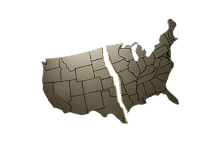

Understand House districts, two-year terms, revenue bills, rules, committees, and the chamber’s faster-moving lawmaking style.
A House home page for understanding districts, two-year terms, majority control, committees, revenue bills, impeachment, rules, floor votes, and official House records.
Lawmaking is a process of text, votes, negotiation, oversight, and public accountability.
What The House Represents
The House of Representatives represents people by congressional district. Seats are apportioned among the states by population after the census, and representatives serve two-year terms. This design makes the House the chamber most directly tied to changing public opinion and local district concerns.
How The House Works
Because the House has 435 voting members, it relies on structured procedure. The Speaker, majority leader, committees, and especially the Committee is the House committee that often sets the terms for floor debate, amendments, and voting on major bills.">Rules Committee help decide which bills reach the floor, how long debate lasts, and which amendments may be considered.
Powers Associated With The House
The House shares ordinary lawmaking power with the Senate, but it also has special constitutional roles. Revenue bills must originate in the House, although the Senate may amend them. The House has the sole power to impeach federal officials, meaning it can formally accuse an official of impeachable conduct before the Senate holds any trial.
Official House Records
Use official House sources to verify representatives, floor votes, committee work, rules, calendars, and legislation.
Quick Link Guide
One-click access to other sections of the government education guide.