Over the ensuing hours, they vandalized and pilfered the interior, ransacking offices in search of those they considered enemies within Congress. They particularly focused on Pence, whom they branded a traitor for his refusal to interfere in the congressional tallying of electoral votes.
In response, the governors of Virginia and Maryland dispatched National Guard units and state troopers to help secure the building; however, due to bureaucratic delays, the District of Columbia National Guard was not activated until approximately three hours after the attack commenced. The Capitol was finally cleared of rioters around 6 pm, roughly four hours after they first breached the building. Most of the assailants were not apprehended on-site and simply left the area.
Congress continued its counting of electoral votes, officially certifying Biden as the victor of the 2020 presidential election in the early hours of January 7.
Ongoing Investigations and Prosecutions
On January 8, Trump was suspended from Twitter for posting tweets that violated the platform’s policy against glorifying violence, both before, during, and after the Capitol assault. A Justice Department report released in July 2021 indicated that around 140 officers from the Capitol and Metropolitan police were assaulted by rioters during the January 6 incident. Among the injured, one officer died from a series of strokes following hospitalization for injuries sustained during the attack, while two others took their own lives. Additionally, one rioter was shot and killed by police, another suffered a fatal heart attack, and a third was reportedly crushed by the crowd. The rioters inflicted an estimated $1.5 million in damage to the Capitol building.
The incident has led to increased scrutiny of domestic extremism and discussions about the security of democratic institutions.
How the Left and the Right view the Capitol Attack
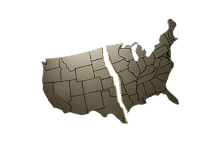
Confronting uncomfortable truths, rebuilding institutional trust, and addressing political extremism’s root causes will determine whether America can find common ground amid the January 6 aftermath. Without these efforts, the ideological chasm dividing Americans will only deepen.
The Left Sees: The left’s perspective frames the event as not only a violent uprising but also an existential threat to American democracy, driven by the refusal to accept the legitimacy of the 2020 election results. The left believes the attack exposed the rise of far-right extremism, including white nationalism and conspiracy theories. They unanimously condemn the violence that occurred on January 6. According to their view, Trump’s false claims of widespread voter fraud, which numerous courts and election officials debunked, set the stage for the violent actions that followed. Left-wing leaders and commentators often describe the attack as an attempted coup or insurrection, which could have escalated into something even more violent had law enforcement not intervened.
The Right Sees: The right’s perspective on the January 6 Capitol attack emphasizes political polarization, a belief in widespread election fraud, and skepticism about the government’s response.
Comparing BLM Protests To The Attack On The Capitol
The narrative of the events surrounding the death of George Floyd seems to depend greatly on who is telling the story. Many right-wingers will swear that a group they call Antifa joined with the black community to riot and burn down the city of Minneapolis. They define Antifa as a group that is radically anti-Trump, insistent on doing whatever is necessary to defy him. Ironically, the name Antifa is short for anti-fascist. They are saying that the group that is against Trump is against fascism. Funny how they don’t seem to see the irony in the name itself.