by Eric Wood
Share
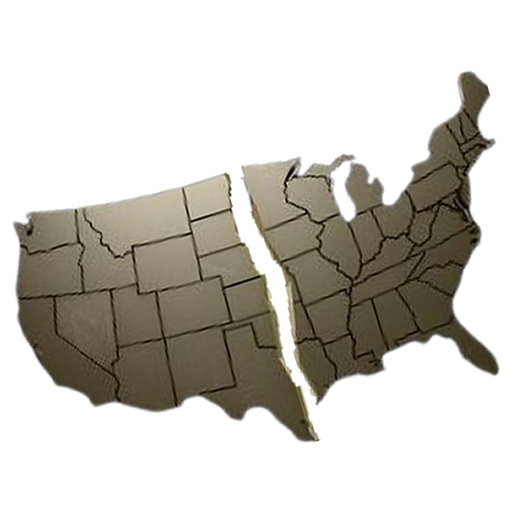
Redistricting is a routine, necessary process every decade. Gerrymandering is what happens when that routine process gets used deliberately to entrench one party’s advantage - and the line between ordinary redistricting and gerrymandering isn’t always obvious just by looking at a district map.
Why redistricting has to happen at all
After each decennial census, states redraw congressional and state legislative district lines to reflect population changes - required specifically because the Supreme Court’s “one person, one vote” rulings in the 1960s established that legislative districts within a state must have roughly equal populations. Without periodic redistricting, districts that grew or shrank unevenly over a decade would leave some voters with dramatically more or less representation per person than others.
How gerrymandering actually works
Gerrymandering manipulates district boundaries to favor one party or group, generally through two techniques used together: “packing” concentrates opposing voters into as few districts as possible, so their votes are inefficiently “wasted” winning those districts by enormous margins, while “cracking” splits remaining opposing voters thinly across many districts so they never form a majority in any of them. Who actually draws the lines varies by state - in most states, the state legislature controls redistricting directly, while a growing number of states have shifted that authority to independent or bipartisan redistricting commissions specifically to reduce this kind of manipulation.

Worth knowing
The Supreme Court ruled in Rucho v. Common Cause (2019) that partisan gerrymandering claims present a “political question” federal courts cannot resolve - meaning federal courts can no longer strike down a district map simply for being an excessive partisan gerrymander, though racial gerrymandering claims remain separately reviewable under the Voting Rights Act and the Constitution’s equal protection guarantee.
Why it still matters
District maps drawn after each census generally stay in place for the entire following decade, which means a favorably drawn map can lock in a real electoral advantage for years regardless of shifting public opinion - and after Rucho, partisan gerrymandering disputes are now fought almost entirely in state courts and state legislatures rather than federal court, since the federal judiciary has largely stepped back from the issue.
Leave A Comment
How each party actually chooses its nominee before the general election - the real difference between a primary and a caucus, and why early-voting states get outsized attention.
How the Electoral College actually allocates its 538 votes, why the framers built it as a compromise, and the five times it's produced a winner who lost the popular vote.
Lobbying is constitutionally protected petitioning - what the disclosure system actually requires, and how the revolving door between government and industry really works.
Why winner-take-all elections push toward two dominant parties, how the Republican Party itself started as a third party, and where third-party movements have actually shaped policy.