Minnesota became the 32nd state on May 11, 1858.
Its civic profile reflects Dakota and Ojibwe history, lakes and forests, agriculture, the Iron Range, health care, education, Twin Cities institutions, immigrant communities, and a strong habit of public participation. State decisions often involve schools, transit, rural hospitals, water, housing, taxes, tribal relations, and the balance between metropolitan and Greater Minnesota priorities. From here, readers can move straight to Minnesota’s federal delegation, statehouse leadership, and the public records behind any claim made about state policy.
The Star of the North
State Motto
Minnesota's voice in Congress.
Every state has two senators. Its number of representatives is set by population and can change after each census.
Minnesota's Delegation
Choose a member to see their contact information, congressional work, and committee assignments.
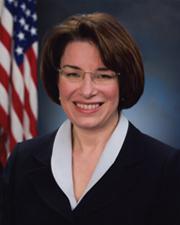
Amy Klobuchar
Party: Democrat
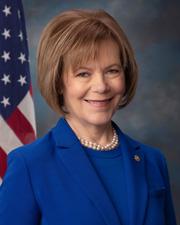
Tina Smith
Party: Democrat
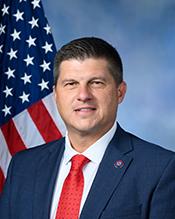
Brad Finstad
Party: Republican
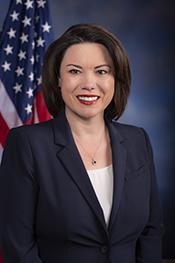
Angie Craig
Party: Democrat
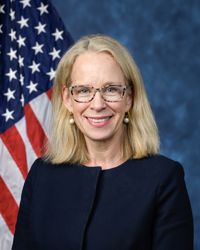
Kelly Morrison
Party: Democrat
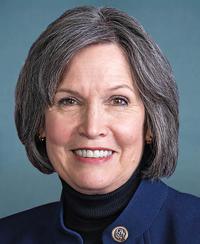
Betty McCollum
Party: Democrat
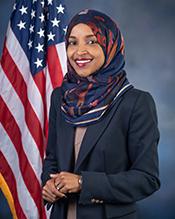
Ilhan Omar
Party: Democrat
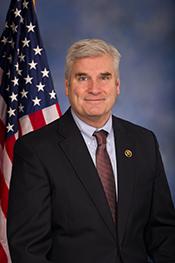
Tom Emmer
Party: Republican
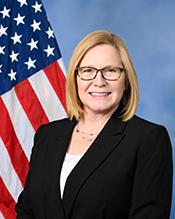
Michelle Fischbach
Party: Republican
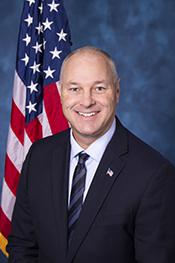
Pete Stauber
Party: Republican
The states are the laboratories of democracy.
Justice Louis BrandeisState Leadership
Governor
Tim Walz (Democratic)
Lieutenant Governor
Peggy Flanagan (Democratic)
Quick Facts
Capital
Saint Paul
Population
Approximately 5.83 million
Electoral votes
10
Congressional districts
8
Official Links
Use these sources to check current state records, filings, elections, and public notices.