Idaho became the 43rd state on July 3, 1890.
Its civic profile reflects a state where fast-growing communities around Boise share public systems with agricultural regions, mountain towns, tribal nations, rivers, forests, mining areas, public lands, and energy resources. Public debates often involve water, land use, schools, roads, housing, wildfire risk, and the pace of growth. Idaho’s delegation to Congress, its state government, and the official records behind both are covered in the sections that follow.
Let it be perpetual
State Motto
Idaho's voice in Congress.
Every state has two senators. Its number of representatives is set by population and can change after each census.
Idaho's Delegation
Choose a member to see their contact information, congressional work, and committee assignments.
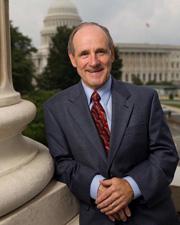
James Risch
Party: Republican
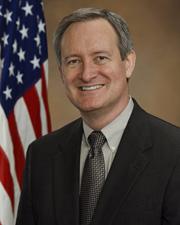
Mike Crapo
Party: Republican
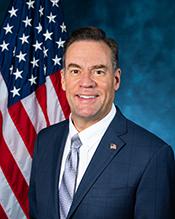
Russ Fulcher
Party: Republican

Michael Simpson
Party: Republican
The states are the laboratories of democracy.
Justice Louis BrandeisState Leadership
Governor
Brad Little (Republican)
Lieutenant Governor
Scott Bedke (Republican)
Quick Facts
Capital
Boise
Population
Approximately 2.03 million
Electoral votes
4
Congressional districts
2
Official Links
Use these sources to check current state records, filings, elections, and public notices.