Pennsylvania became the 2nd state on December 12, 1787. Its civic profile includes Philadelphia, Pittsburgh, Appalachian communities, farms, universities, energy regions, manufacturing history, and a central role in the founding era. Public decisions about schools, roads, health care, courts, elections, energy, water, and local government finance often reflect sharp regional differences. Use this profile to find Pennsylvania representation and official resources while understanding the state as a place where old institutions, changing economies, and local identities still shape public life.
U.S. Senators


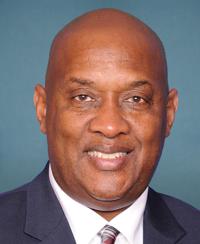
U.S. House Members
















Pennsylvania voting guide
This state-page tab brings together practical voting resources for Pennsylvania voters. You can register or update your registration, check registration status, find where to vote, review ballot resources, learn about mail or absentee voting, and use official election-calendar links for final deadlines and dates.
Voting Tools
Plain-language tools that open inside this state voting tab.
PA Links
Official Pennsylvania election-office links for deadlines, registration, polling places, ballots, accessibility, rights, and state election calendars.
Register to Vote
Start here if you need to register for the first time, update your address, change your name, or confirm the official registration process for this state.
Use the official registration linkOpen the state or Vote.gov registration route for current forms, deadlines, and eligibility instructions.Check your status firstConfirm your existing record before submitting a new or updated registration.Confirm deadlinesRegistration deadlines can vary by election type and voting method.
Check Your Voter Registration
Check your registration before major elections, after moving, after a name change, or any time you are unsure whether your record is current.
Polling place lookup
Where Do You Vote?
Enter an address to look for election, ballot, and polling-place resources.
Vote by Mail or Absentee
Mail, absentee, and early-voting rules are state-specific. Use official links to confirm who may request a ballot, how to return it, and which deadlines apply.
Voting Rights and Accessibility
Voting should be accessible and legally protected. Use these resources for disability access, language access where available, provisional voting, complaint routes, and federal voting-rights information.
While we do our best to provide accurate information, be sure to use your official state election calendar for final details.