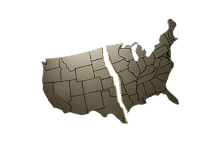

Learn how citizens vote, contact representatives, comment on rules, serve locally, and participate between elections.
An in-depth guide to voting, representation, public comment, civic service, and how people participate between elections.
Government works best when people can see how power is used and where decisions are made.
Voting is the starting point, not the whole system
Elections choose presidents, members of Congress, governors, state legislators, local officials, judges in some states, ballot measures, and party nominees. But civic participation also includes contacting offices, attending public meetings, commenting on proposed rules, serving on juries, requesting records, joining local boards, organizing neighbors, and following how government decisions are made.
Federal election resources
Election rules vary by state, so official state election offices are the final source for registration deadlines, absentee ballots, early voting, ID rules, polling places, and sample ballots. Federal resources can help you find the right state office and understand voting rights.
Ways to participate between elections
Citizens can track bills, contact representatives, comment on regulations, attend local meetings, serve on juries, request public records, participate in advisory boards, join civic organizations, volunteer, and help neighbors navigate official services.
How to follow representation
Representation is easier to evaluate when you can see votes, committee work, hearings, bills, public statements, and official records. Start with Congress.gov, House and Senate websites, state election offices, local government agendas, and agency rulemaking dockets.
Quick Link Guide
One-click access to other sections of the government education guide.