by Eric Wood
Share
The video explores the concept of housing cooperatives (co-ops) as a compelling solution to the affordable housing crisis in the United States and beyond. It begins by highlighting the severe shortage of affordable housing in the U.S., where millions of renters spend an unsustainable portion of their income on housing costs, exacerbated further by high interest rates and inflated home prices. Against this backdrop, the video introduces housing cooperatives—collective legal entities where members buy shares to access housing units, blending the benefits of renting and owning without traditional mortgages or landlords.
Originating from a German term for cooperative housing, co-ops offer residents lifelong tenancy, democratic governance, and affordability well below market rates. Unlike renting or owning individual condominiums, co-op members jointly own the property and have a direct say in community decisions. This model fosters a strong sense of community and shared responsibility, with some co-ops requiring members to contribute time to maintenance or communal activities.
The video further explains how co-ops function financially, including the distribution of dividends from invested pooled funds. It draws parallels between co-ops in housing and familiar retail cooperatives like REI or Costco, showing how collective purchasing power reduces costs. The German model, in particular, serves as a successful example: over 3 million people belong to housing cooperatives, comprising more than 5% of all apartments in the country. These co-ops have a long history, especially flourishing post-World War II to address housing shortages.
In the U.S., multifamily housing construction is low, and financing for condos and co-ops is challenging, limiting their development. Yet, co-ops require less upfront capital than condos, making them an attractive option, especially for first-time buyers and smaller households. Despite their benefits, cultural preferences for single-family homes and zoning restrictions hamper co-op growth in the U.S. The video discusses how deep-rooted American ideals about homeownership and wealth accumulation through home equity contrast with the cooperative model’s communal approach.
Finally, the video stresses the urgent need to expand cooperative housing as an affordable, sustainable, and community-oriented alternative to traditional housing markets. It encourages viewers to consider co-ops as a viable option for alleviating housing crises and invites discussion on their potential role in the U.S. housing landscape.
Leave A Comment

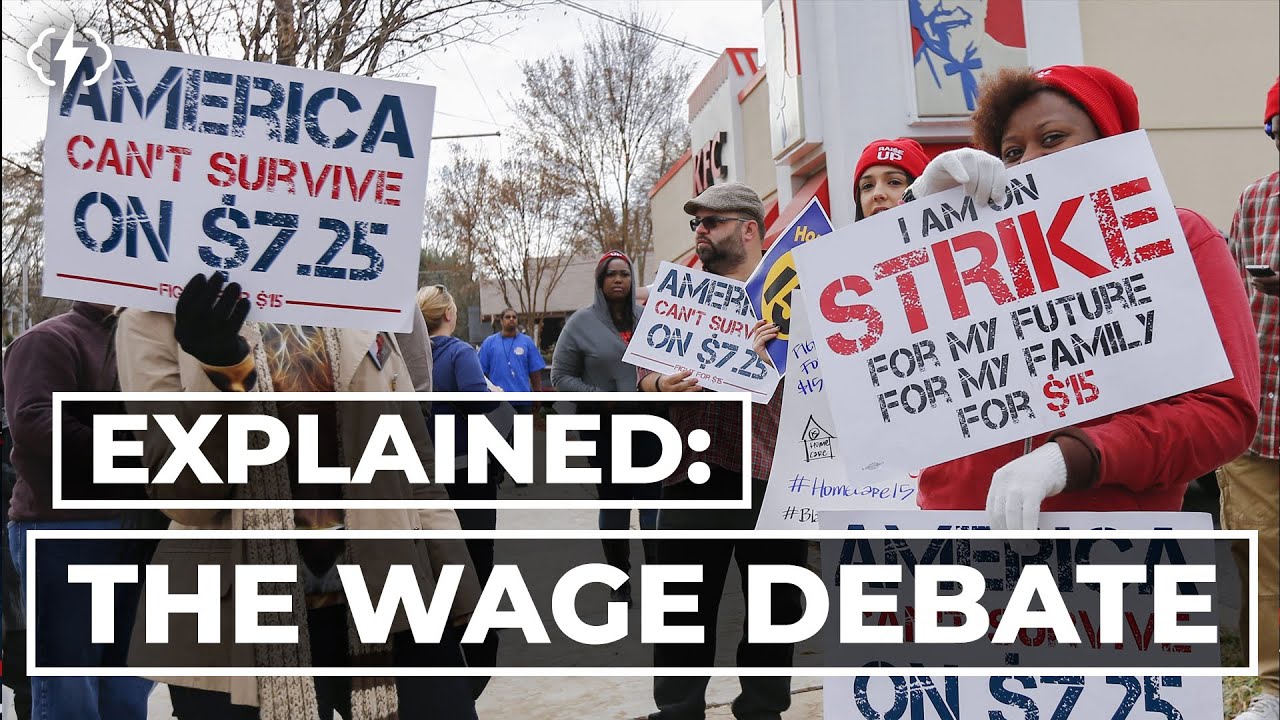
[embedyt] https://www.youtube.com/watch?v=tQE0ldkiKo0[/embedyt] The video provides a historical overview of the federal minimum wage in the United States, beginning with its establishment in 1938 when President Franklin Roosevelt signed the Fair Labor Standards Act, setting the wage at 25 cents per hour. Importantly, the minimum wage is not automatically indexed to inflation; it only increases through
-
[embedyt] https://www.youtube.com/watch?v=3G3OmCMc1H4[/embedyt] The video transcript presents an in-depth historical and economic analysis of the minimum wage in the United States, its origins, evolution, and contemporary challenges. It begins by addressing common misconceptions about minimum wage laws, such as the belief that raising the minimum wage necessarily leads to job loss or economic downturn. It then
-
[embedyt] https://www.youtube.com/watch?v=hL5VOorY9pw[/embedyt] The video presents a comprehensive analysis of the U.S. federal minimum wage debate, exploring historical context, economic realities, common objections, and societal implications. It begins by outlining the origins of minimum wage legislation in the early 20th century, highlighting the exploitative conditions workers faced before laws like the Fair Labor Standards Act of
-
[embedyt] https://www.youtube.com/watch?v=v-8t0EfLzQo[/embedyt] The video transcript provides a comprehensive analysis of media bias, focusing on how mainstream media in Western capitalist democracies, particularly the UK and the US, do not merely report events neutrally but actively shape the interpretation and meaning of those events. Using the BBC’s 2020 Newsnight report on the English Channel migrant crossings