Rather than heavy-handed regulation that risks limiting free speech, many experts advocate for greater transparency and accountability. Platforms could be required to disclose how their algorithms prioritize content, provide clear labeling of synthetic media, and offer users more control over their information diets.
Some platforms have begun implementing these changes voluntarily, recognizing that their long-term viability depends on user trust. Others have responded to public pressure by enhancing fact-checking partnerships and reducing the spread of demonstrably false content.
These measures don’t prevent anyone from speaking, but they do provide context that helps users make informed judgments about what they’re seeing. The goal isn’t to create gatekeepers but to ensure that the digital public square functions more like an actual public square—where shouting the loudest doesn’t necessarily grant someone the largest audience.
Supporting Quality Information
While addressing disinformation directly is important, equally crucial is strengthening the production and distribution of reliable information. This means supporting independent journalism, public media, and other sources dedicated to accuracy rather than partisan advantage or profit maximization.
- Tax incentives for local news subscriptions
- Expanded funding for public broadcasting
- Philanthropic support for nonprofit journalism
These are all approaches being tested across the country. The key is creating sustainable models that reward thorough reporting and fact-checking rather than speed and sensationalism.
“Quality information isn’t free to produce,” noted media economist Dr. Ramon Garcia. “Someone has to pay for the reporter who sits through the six-hour city council meeting or who spends months analyzing public records. If we value this work, we need to find ways to fund it.”
Taking Personal Responsibility
Institutional approaches are essential, but individual actions also matter tremendously. Each of us makes dozens of decisions daily that either contribute to information pollution or help clean it up.
- Before sharing content, verify it from multiple sources.
- Consider whether the emotional reaction it provokes might be clouding your judgment about its accuracy.
- Ask yourself whether you’d be equally critical of a similar claim that conflicts with your existing beliefs.
- Practice respectful skepticism when consuming news. Evaluate each claim on its merits rather than accepting or rejecting it based solely on who said it.
- Diversify your information diet by seeking viewpoints that challenge your existing beliefs.
- Engage in constructive conversations across divides. Focus on establishing shared facts before debating their meaning.
- Practice charitable interpretation—assume others are speaking in good faith unless clear evidence suggests otherwise.
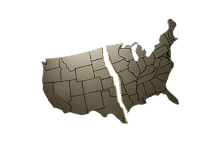
The challenges of disinformation may seem overwhelming, but throughout American history, we’ve faced and overcome similarly complex threats to our democratic foundations. The spread of yellow journalism in the late 19th century led to the development of professional journalistic standards. The propaganda concerns of the early Cold War period sparked the critical thinking movement in education. Today’s crisis can likewise spur innovations that strengthen our information ecosystem.
Imagine an America where citizens approach information with healthy skepticism rather than cynicism or credulity. Where local journalism thrives, keeping communities informed about issues directly affecting their lives. Where digital platforms provide transparency about their algorithms and empower users to make informed choices. Where schools equip young people with the critical thinking skills needed to navigate a complex information landscape.