A conservative farmer and a progressive environmentalist might discover they both want clean water and sustainable land use, just for somewhat different reasons.
From Understanding to Problem-Solving
Translation and understanding aren’t ends in themselves. They’re foundations for actual problem-solving. The divides illuminated by January 6 and the Black Lives Matter protests won’t be resolved through better communication alone—they require substantive changes to address legitimate grievances on all sides.
Police reform offers an example:
- Community policing that builds relationships between officers and neighborhoods
- Better training in de-escalation and mental health response
- Accountability systems that remove bad officers while supporting good ones
- Violence prevention programs that address root causes of crime
Electoral reform offers another example:
- Secure but accessible voting methods that make it easy to vote but hard to cheat
- Transparent processes that build public confidence in results
- Nonpartisan administration that puts country above party
- Citizen involvement in drawing district boundaries to prevent gerrymandering
These solutions emerged from people willing to take multiple perspectives seriously and search for common ground.
The Path Forward
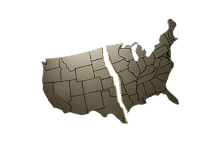
The events of 2020 and 2021 revealed deep divisions in how Americans see their country and one another. These divisions won’t disappear overnight. But they can become more productive and less destructive if we learn to communicate across our different moral languages.
This doesn’t mean abandoning your values or accepting harmful views. It means recognizing that many of your fellow citizens hold different but legitimate perspectives based on their own experiences and priorities.
It means making your case in terms they can understand rather than terms that alienate them.
Some differences will remain unbridgeable. Not all views deserve equal respect or accommodation. But many divisions that seem irreconcilable actually reflect different emphases and priorities rather than incompatible values.
On these issues, translation can open pathways to solutions that honor multiple perspectives.
As ordinary citizens, we can’t control what politicians or media figures do. But we can control our own approaches to political conversation. We can reject the easy satisfactions of righteous anger and group solidarity in favor of the harder but more rewarding work of understanding and problem-solving.
America has weathered deep divisions before. We’ve overcome them not by everyone adopting the same views, but by enough people committing to a shared project despite their differences. The American experiment has always been about creating unity from diversity—e pluribus unum, out of many, one.
Our political diversity can be a strength rather than a weakness if we learn to communicate across it. The different perspectives that divide us can also complement each other, creating a fuller picture of our complex reality than any single viewpoint could provide.
The path forward doesn’t require us to agree on everything. It requires us to recognize our shared citizenship and humanity even when we disagree. It requires us to translate our values for those who speak different moral languages.
The sun that rose over America on January 6, 2021, was the same sun that rose during the summer of 2020. The country it illuminated wasn’t two nations but one complex, imperfect, vital democracy still striving to realize its highest ideals.