They see society as fundamentally resilient—able to withstand and benefit from change, criticism, and reform.
America was founded on revolutionary ideals, but we’ve never fully lived up to them. Our work is to keep extending liberty and justice to everyone, which means confronting uncomfortable truths about our past and present.
Progressives often emphasize social responsibility and community support as essential social building blocks. They tend to see hierarchies as often artificial and problematic— reflecting power rather than merit, and perpetuating inequalities across generations. Many progressives view dissent not as disloyalty but as the highest form of engagement with democratic ideals.
From this perspective, the Black Lives Matter protests represented citizens exercising constitutional rights to demand changes to a system that doesn’t value all lives equally.
They saw themselves as fulfilling America’s promise, not undermining it—even though many other Americans, including many progressives, were troubled by instances of violence and destruction.
The January 6 events, meanwhile, often appeared to progressives as an attack on democratic processes by people who couldn’t accept legitimate election results. They worried that frustration with specific election outcomes was being channeled into dangerous rejection of democracy itself.
The Communication Breakdown
These different worldviews lead to communication breakdowns. When conservatives talk about “law and order,” many progressives hear “maintaining unjust hierarchies.”
When progressives talk about “social justice,” many conservatives hear “undermining personal responsibility.” Each side suspects the other of having sinister motives rather than different but legitimate priorities.
People talk right past each other. They use the same words but mean completely different things. And they’re so quick to assume the worst about each other’s intentions.
The media environment worsens these dynamics. News outlets and social media platforms often profit from outrage and conflict, amplifying the most extreme voices and ignoring nuance.
Politicians have incentives to mobilize their base by demonizing the opposition rather than finding common ground.
Technology also lets us curate our information environments to reinforce our existing beliefs. Communications researcher Jennifer Adams explains:
We’ve moved from a society with three TV channels everyone watched to millions of specialized channels tailored to every perspective. We’re not even consuming the same basic information anymore.
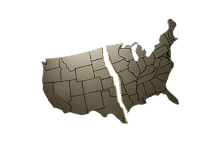
The result is that many Americans live in separate realities. The January 6 events and the Black Lives Matter protests didn’t create this division, but they illuminated it with painful clarity.
Learning to Translate
So how do we talk to each other across this divide? The key is learning to translate between moral languages. This doesn’t mean changing your values or accepting views you find wrong.
It means making your case in terms the other side can understand and appreciate.
Consider policing reform. A progressive might advocate defunding police departments and redistributing resources to social services. To many conservatives, this sounds like abandoning law and order. But reframed in terms of fiscal responsibility, local control, and effective governance—all conservative values—the same proposal might find more receptive ears.
Similarly, a conservative might oppose certain diversity initiatives as unfair preferential treatment. To many progressives, this sounds like defending privilege and inequality. But reframed in terms of genuine merit, creating opportunity for all, and judging people as individuals rather than group members—all progressive values—the same position might be better understood.