[embedyt] https://www.youtube.com/watch?v=DPh4PN8e0ds[/embedyt]
Blog
-
The REAL Reason You Can’t Afford a House
[embedyt] https://www.youtube.com/watch?v=sihHztBdfvk[/embedyt]
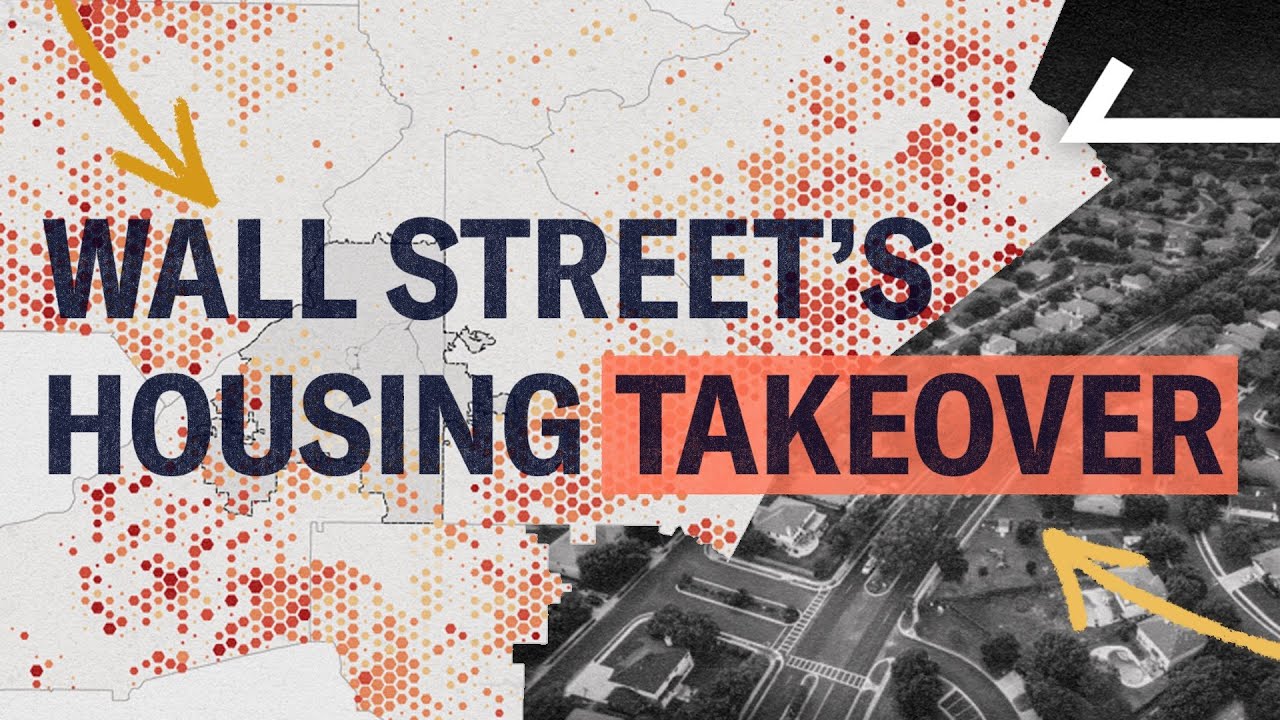
The video paints a vivid picture of how the American dream of homeownership has been eroded by the financialization of housing. Where single-family homes were once pathways to wealth and stability for working families, they have become assets for Wall Street speculation. This shift is not merely about market dynamics but also about power—who controls where and how people live.
The story of Sandra de los Santos in Charlotte exemplifies the human cost of this transformation. Despite paying rent punctually and even investing $25,000 in repairs, Sandra faces neglect and eventual displacement by a faceless corporate landlord headquartered thousands of miles away. Her experience is a microcosm of a broader systemic failure where tenant voices are marginalized, and the primary metric is financial return rather than community stability or tenant well-being.
Experts like geographer Taylor Shelton provide crucial context by showing how the post-2008 crisis market allowed institutional investors to accumulate vast housing portfolios. The scale of this ownership—often thousands of homes in single cities—enables these firms to set market conditions, effectively pricing out individual buyers and creating rental monopolies. This consolidates economic power in the hands of a few firms, undermining competition and tenant protections.
The economic implications are stark. Renters lose out on billions in potential equity, which compounds wealth inequality, especially along racial and socioeconomic lines. The shift to a renter majority exacerbates housing insecurity and limits social mobility, as stable homeownership has long been a primary vehicle for intergenerational wealth transfer in the U.S.
While the video acknowledges that corporate ownership is not the sole housing crisis cause, it highlights this trend as a clear symptom of a system prioritizing capital over people. Efforts to regulate this market reflect a growing recognition that housing is a public good, not merely a commodity. However, entrenched interests and the complexity of the housing market complicate reform efforts.
In summary, the video not only documents the current crisis but also calls for a reassessment of housing policy that centers human dignity and equitable access. The path forward requires confronting the disproportionate influence of Wall Street in housing and implementing policies that protect tenants while restoring opportunities for homeownership across diverse communities.
-
Robert Reich Destroys Minimum Wage Myths
[embedyt] https://www.youtube.com/watch?v=_mcHGGcZGFo[/embedyt]
The federal minimum wage in the United States has remained at $7.25 an hour since 2009, marking the longest period without an increase since its inception. This stagnation has significantly diminished the real value of the minimum wage, making it insufficient for workers to afford basic living expenses, such as a two-bedroom rental anywhere in the country. Despite growing productivity, minimum wage workers have not seen proportional wage increases; if wages had kept pace since 1968, the minimum wage would be $24 an hour today. The video argues strongly for raising the minimum wage to at least $15 an hour, presenting this as both a moral imperative and an economic necessity.
It addresses and debunks four common myths opposing minimum wage increases: the fear of job losses, the inability of small businesses to afford higher wages, the risk of runaway inflation, and the misconception that most minimum wage earners are teenagers who don’t need higher pay. Research consistently shows that raising the minimum wage does not reduce employment levels, but rather improves worker productivity, reduces turnover, and benefits businesses by attracting and retaining motivated employees. Furthermore, price increases due to wage hikes are minimal and temporary, and raising wages would stimulate economic growth by increasing consumer spending.
The video also highlights the social implications of a low minimum wage, noting that many minimum wage workers are adults supporting families, including a significant number of Black, Hispanic, and female workers whose economic disparities could be reduced through wage increases. It underscores the taxpayer burden of subsidizing low wages through social safety nets, costing an estimated $107 billion annually. Ultimately, raising the minimum wage is presented as a necessary step toward economic justice, fairness, and respect for workers in the wealthiest nation on earth.