by Eric Wood
Share
The video transcript presents an in-depth exploration of homelessness in the United States, emphasizing the lived realities of unhoused individuals and the systemic failures that perpetuate the crisis. It critiques the often alarmist and dehumanizing portrayal of homeless people in media and public discourse, highlighting how such narratives focus disproportionately on the discomfort or fears of housed residents rather than the urgent needs of the homeless community themselves. The discussion traces the roots of modern homelessness back to policy decisions from the Reagan era, which drastically cut funding for affordable housing and social programs, thereby exacerbating the problem.
The transcript dismantles common misconceptions that homelessness is primarily caused by personal failings such as addiction or mental illness, instead framing it as a multifaceted issue driven by economic pressures, housing shortages, and insufficient social safety nets. It provides personal stories illustrating how easily stable housing can be lost due to rent hikes or job loss, and how shelters often fail to provide a dignified or effective solution.
The video advocates for the “Housing First” model, which prioritizes providing permanent housing as a foundation before addressing other issues like substance abuse or employment. This approach has shown measurable success in reducing veteran homelessness and is argued to be more cost-effective than current cycles of incarceration and emergency care. However, the transcript also underscores significant obstacles to this solution, particularly the “Not In My Backyard” (NIMBY) attitude among many communities, which resists affordable housing developments near them due to stigma and fear.
Ultimately, the video calls for a shift in public perception—from viewing homelessness as a personal choice or moral failing to recognizing it as a systemic issue needing compassionate, structural solutions. It stresses that real progress requires both policy change and a collective change in attitudes towards the unhoused, urging viewers to reject stereotypes and support humane housing initiatives.
Leave A Comment

[embedyt] https://www.youtube.com/watch?v=tQE0ldkiKo0[/embedyt] The video provides a historical overview of the federal minimum wage in the United States, beginning with its establishment in 1938 when President Franklin Roosevelt signed the Fair Labor Standards Act, setting the wage at 25 cents per hour. Importantly, the minimum wage is not automatically indexed to inflation; it only increases through
-
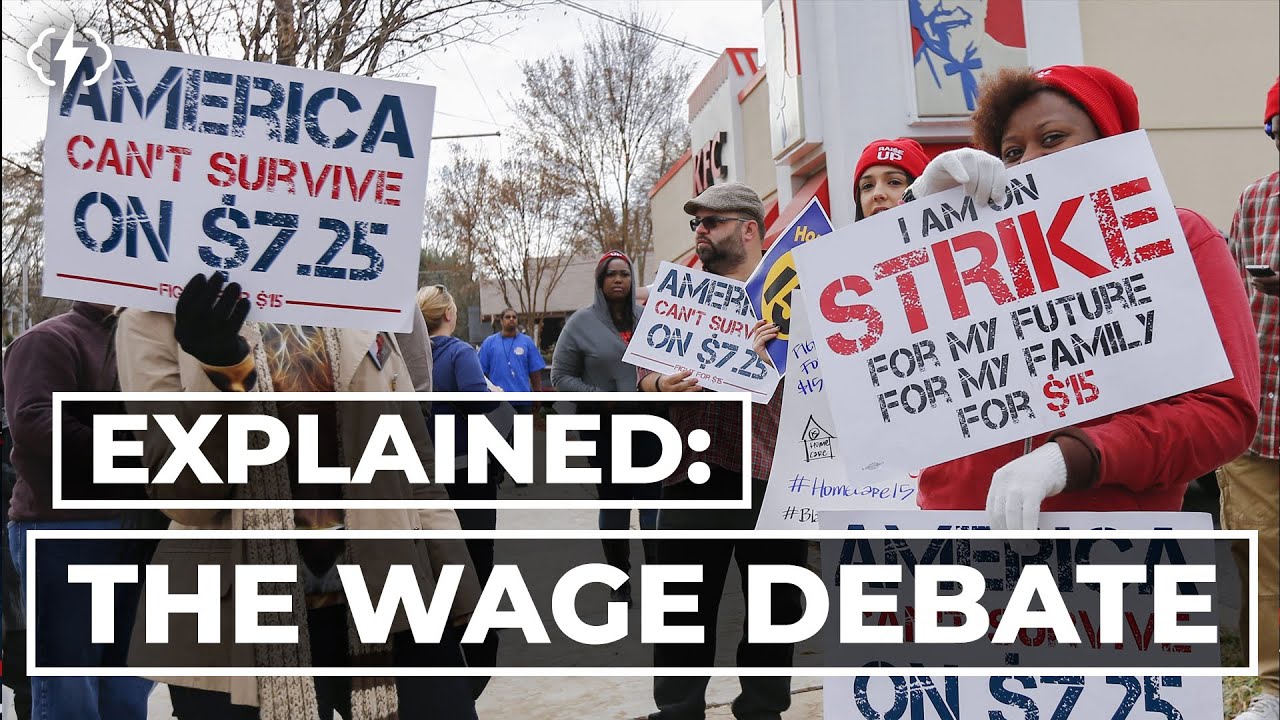
[embedyt] https://www.youtube.com/watch?v=3G3OmCMc1H4[/embedyt] The video transcript presents an in-depth historical and economic analysis of the minimum wage in the United States, its origins, evolution, and contemporary challenges. It begins by addressing common misconceptions about minimum wage laws, such as the belief that raising the minimum wage necessarily leads to job loss or economic downturn. It then
-
[embedyt] https://www.youtube.com/watch?v=hL5VOorY9pw[/embedyt] The video presents a comprehensive analysis of the U.S. federal minimum wage debate, exploring historical context, economic realities, common objections, and societal implications. It begins by outlining the origins of minimum wage legislation in the early 20th century, highlighting the exploitative conditions workers faced before laws like the Fair Labor Standards Act of
-
[embedyt] https://www.youtube.com/watch?v=v-8t0EfLzQo[/embedyt] The video transcript provides a comprehensive analysis of media bias, focusing on how mainstream media in Western capitalist democracies, particularly the UK and the US, do not merely report events neutrally but actively shape the interpretation and meaning of those events. Using the BBC’s 2020 Newsnight report on the English Channel migrant crossings