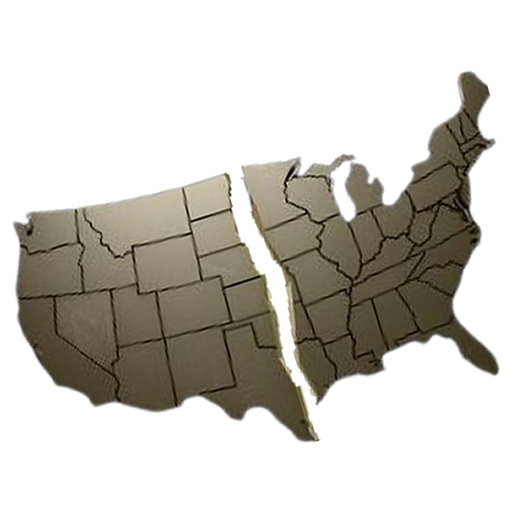
Two words doing real work — “republic” describes how power reaches decisions, “federal” describes where it lives.
A federal republic is a system where the people govern through elected representatives, while power is divided between the national government and the states. Americans don’t vote directly on every federal law or budget — they elect people and institutions that act through real rules, procedures, and legal limits instead.
Government works best when people can see how power is used and where decisions are made.
Guide to Government
Two Ideas, Combined
Elected representatives, not a national vote on every issue
Americans don’t vote directly on every federal law, budget, appointment, regulation, or court decision. They elect representatives and executives, who then act through institutions with real rules, procedures, records, and legal limits — the “republic” half of the phrase.
Power genuinely divided, not just delegated downward
The national government handles foreign affairs, federal taxes, interstate commerce, immigration, and national defense. States handle much of daily life — courts, schools, local elections, licensing — not as a favor from the federal government, but as a genuine, constitutionally reserved area of state authority.
How to Actually Use This Idea
Ask which level, which branch, which record
When a public problem appears, ask which level of government has authority, which branch is acting, and which official source records the decision. That simple, repeatable map helps avoid sending questions to the wrong office entirely — a genuinely practical payoff from an otherwise abstract-sounding civics concept.
“Republic” and “democracy” aren’t opposites, despite how they’re often framed
A common misconception treats “republic” and “democracy” as mutually exclusive categories, as if the United States must be strictly one or the other. In practice, the U.S. is a representative democracy structured as a republic — democratic in that political power ultimately derives from the people through elections, and a republic in that it operates through elected representatives and legal institutions rather than direct votes on individual policies. The two terms describe different features of the same system, not competing alternatives.