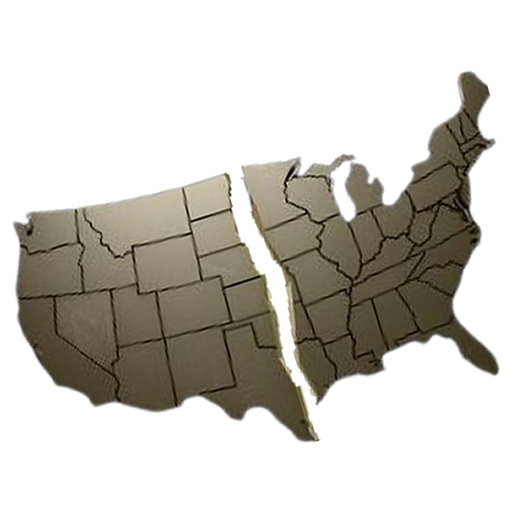
Reconstruction Amendments · The amendment that directly overturned the Constitution’s original compromise with slavery
Ratified in December 1865, eight months after the Civil War ended, the Thirteenth Amendment abolished slavery and involuntary servitude throughout the United States — the first of three amendments passed in rapid succession to rebuild the constitutional order after the war.
Neither slavery nor involuntary servitude, except as a punishment for crime whereof the party shall have been duly convicted, shall exist within the United States.
Thirteenth Amendment, ratified December 1865
What Changed, Directly
Unlike most constitutional provisions, the Thirteenth Amendment’s core text is short and largely self-executing — it doesn’t just limit government power, it directly abolishes a legal institution nationwide, in every state, without requiring separate implementing legislation for the abolition itself to take effect. A second section gave Congress explicit power to enforce the amendment through further legislation.
Overturning the original Constitution’s own compromise
The Constitution as originally ratified in 1788 contained provisions that accommodated slavery without using the word directly — including counting enslaved people as three-fifths of a person for representation purposes, and a fugitive slave clause. The Thirteenth Amendment didn’t just add a new right; it constitutionally reversed the document’s own founding accommodation of slavery, something no earlier amendment had attempted on this scale.
The Case It Answered
Dred Scott v. Sandford (1857) is the case most directly connected to this amendment — not as a case interpreting the Thirteenth Amendment, since it predates it by eight years, but as the ruling the amendment (together with the Fourteenth) was written to overturn in substance. The Supreme Court had held that Black Americans, enslaved or free, could not be U.S. citizens and had no standing to sue in federal court — among the most consequential and widely repudiated rulings in the Court’s history. It’s one of the 16 cases already documented in this site’s Landmark Cases collection.
“Except as a punishment for crime” is a real, load-bearing exception
A common misconception is that the Thirteenth Amendment abolished forced labor without exception. The text itself carves out an exception for punishment following a criminal conviction — a clause that has real, ongoing legal and policy significance in debates over prison labor practices today. The amendment’s ban is not absolute; understanding the actual exception written into its text matters for understanding current debates that invoke it.