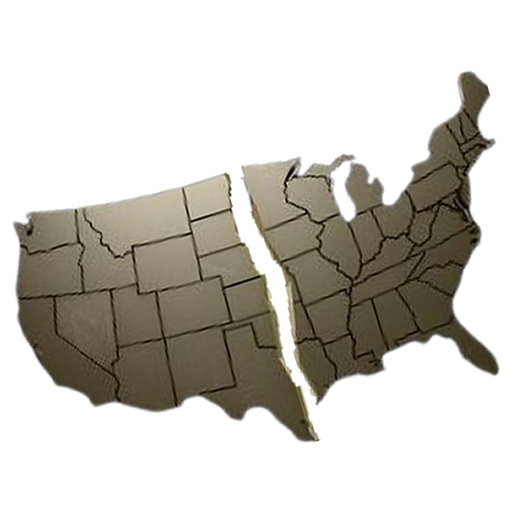
Reserved & Unenumerated Rights · The Bill of Rights’ closing statement on federalism
The last amendment in the Bill of Rights isn’t about an individual liberty at all — it’s a structural statement about the balance of power between the federal government and the states. Powers the Constitution doesn’t give to the federal government, and doesn’t forbid to the states, belong to the states or the people.
The powers not delegated to the United States by the Constitution, nor prohibited by it to the States, are reserved to the States respectively, or to the people.
Tenth Amendment, ratified 1791
A Structural Amendment, Not a Rights Amendment
Unlike the first eight amendments, which protect specific individual liberties, the Tenth Amendment describes how power is divided between two levels of government. It restates a principle already implicit in the Constitution’s basic design — the federal government only has the powers actually granted to it — but makes that principle explicit and textual.
Federal power is enumerated
The federal government can only act where the Constitution actually grants it authority — it doesn’t have a general, open-ended police power the way state governments do.
States keep the rest
Powers not given to the federal government, and not specifically denied to the states, remain with state governments — or, where neither applies, with the people themselves.
The Tenth Amendment doesn’t override federal power that’s actually granted
A common misconception is that the Tenth Amendment can be invoked to block any federal action a state disagrees with. It can’t — the amendment only reserves powers that were never delegated to the federal government in the first place. Once a power genuinely falls within one of the Constitution’s federal grants (like the Commerce Clause or the Necessary and Proper Clause), the Tenth Amendment doesn’t create a separate veto for states to override it. The real, recurring legal fights are almost always about where that line sits — whether a given federal action is genuinely within an enumerated power or not — not about whether the Tenth Amendment itself applies.