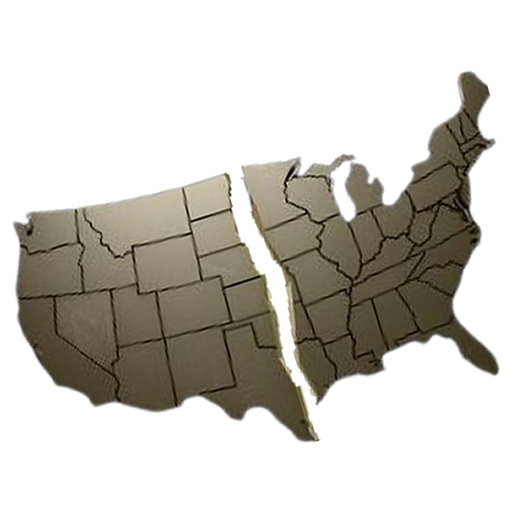
Voting is the starting point, not the whole system — and the rules genuinely differ depending on where you live.
Elections choose presidents, members of Congress, governors, state legislators, local officials, and in some states, judges and ballot measures. But registration deadlines, voter ID rules, early voting, and same-day registration all vary by state and sometimes by locality — there’s no single national rulebook.
The official state election office is the final source for current procedures.
Guide to Government
What Genuinely Varies by State
Registration deadlines
Some states allow same-day registration; others require registering weeks in advance.
Voter ID rules
Requirements range from no ID needed to strict photo ID mandates, differing significantly by state.
Early and absentee voting
Availability, deadlines, and ballot-tracking tools differ meaningfully from state to state.
How to Verify Election Information You See Online
Four questions before trusting a claim
Does the information come from an official election office? Does it name your specific state or locality? Does it give a current, dated election date rather than a generic one? Does it link to the official registration, polling place, or ballot resource? Be especially cautious with screenshots, old deadlines being recirculated, and viral claims that don’t link to a real source.
Voting is the most visible form of participation, not the only one
A common misconception is that civic participation happens almost entirely through voting, with everything else being minor or optional. In practice, a real, ongoing layer of participation happens between elections: public comments on proposed rules, testimony at hearings, constituent services, records requests, and direct contact with officials. Voting starts the relationship between citizens and representatives; it doesn’t end it.