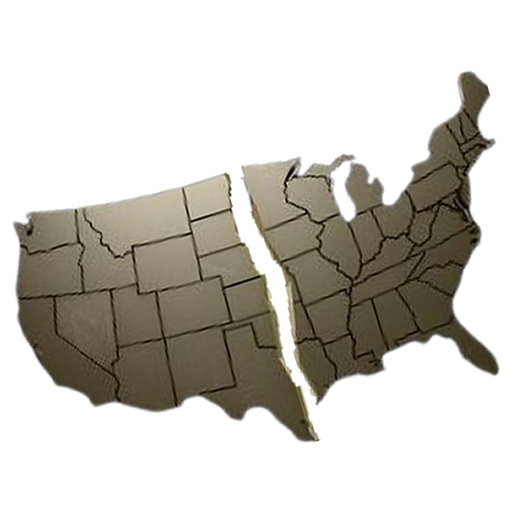
Born from the same 1903 department Commerce split away from — created to represent organized labor as its own constituency.
Labor sets and enforces federal wage and hour standards, workplace safety rules, and administers unemployment insurance support and worker-training programs. Most people encounter it indirectly, through the minimum wage, overtime rules, or a workplace safety inspection.
To foster, promote, and develop the welfare of the wage earners of the United States.
Statutory purpose, Organic Act of 1913
What It Does
Labor was created in 1913 when the original combined Department of Commerce and Labor split in two — a split driven by organized labor’s push for its own dedicated Cabinet-level representation, separate from business interests. The Secretary of Labor oversees federal wage, safety, and worker-benefit standards.
Sets wage and hour standards
The Wage and Hour Division enforces the federal minimum wage, overtime rules, and child-labor protections.
Enforces workplace safety
OSHA sets and enforces workplace safety and health standards across most private-sector workplaces.
Tracks labor statistics
The Bureau of Labor Statistics publishes unemployment, inflation, and wage data used across government and industry.
Protects worker benefits
EBSA enforces federal law governing employer-sponsored retirement and health benefit plans.
How It Fits Into Government
Created to give labor its own seat
The original 1903 Department of Commerce and Labor combined business and worker interests under one Secretary — a combination organized labor lobbied against, arguing its interests couldn’t be fairly represented alongside business’s. Congress split the department in 1913, creating today’s separate Department of Labor. Congress continues to write the wage, safety, and benefits statutes Labor enforces, and funds the department’s budget annually.
Major Agencies
OSHA
Workplace safety and health standards and enforcement.
- Safety inspections
- Hazard standards
- Complaint investigation
Bureau of Labor Statistics
Unemployment, inflation, and wage data published monthly and used across government and industry.
- Unemployment rate
- Consumer Price Index
- Employment data
Employment and Training Administration
Job training, apprenticeship programs, and unemployment insurance support.
- Apprenticeships
- Job training grants
- Unemployment insurance
How It Is Checked
Congress
Writes wage, safety, and benefits statutes, and funds Labor’s budget through appropriations.
Courts
Review Labor rulemaking and can set aside actions exceeding statutory authority.
Public process
OSHA and wage-hour rules generally go through notice-and-comment before final adoption.
Inspector General
The Labor OIG audits programs and investigates fraud, including unemployment insurance and training-grant fraud.
Public Services Visitors May Need
Check unemployment dataBLS employment and unemployment statistics by state.→
Find an apprenticeship programRegistered apprenticeship search by trade and location.→
Check retirement plan rightsERISA protections for employer-sponsored retirement plans.→
Labor exists because Commerce didn’t fit organized labor’s needs
A common misconception is that Labor has always been a standalone department, unrelated to Commerce. In fact it was carved out of the same 1903 combined department Commerce came from, specifically because organized labor pushed for representation independent of business interests — the same split discussed on Commerce’s own profile, from the other side of the 1913 division.