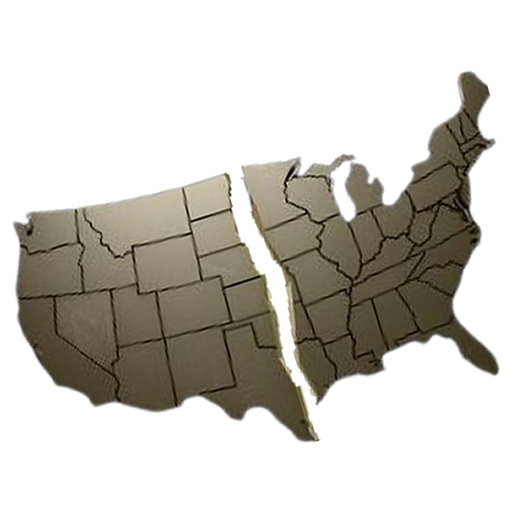
The chamber built around population — every seat on the ballot every two years, no exceptions.
The House is Congress’s closest approximation of direct, population-based representation. Members serve two-year terms representing geographic districts, and the chamber plays the lead constitutional role in revenue bills and starting impeachment.
The House of Representatives shall be composed of Members chosen every second Year by the People.
U.S. Constitution, Article I
Powers the Senate Doesn’t Share
Revenue bills start here
The Constitution gives the House the starting role for any bill raising revenue — the Senate may propose or agree to amendments, but can’t originate one.
Sole power to impeach
Only the House can bring articles of impeachment against a federal official; the Senate’s role is limited to the trial that follows.
Direct district representation
Members represent a specific geographic district and often handle constituent casework involving federal agencies directly.
A Fast-Moving, Rules-Driven Chamber
435 members can’t debate like 100 can
With more than four times the Senate’s membership, the House relies heavily on rules, committee gatekeeping, and leadership-controlled scheduling to move business at all — open-ended floor debate the way the Senate allows would be functionally impossible at this scale. That structural difference, not just tradition, explains why House floor procedure looks so different from the Senate’s.
Every House seat is genuinely up every two years — no staggering at all
A common misconception is that House and Senate elections work on a similar rotating schedule. They don’t — every single House seat is on the ballot at every election, with no staggering whatsoever, unlike the Senate’s three-class system. This means the House can, in principle, turn over completely in one election cycle, giving it a structurally faster feedback loop with voters than the Senate has by design.